
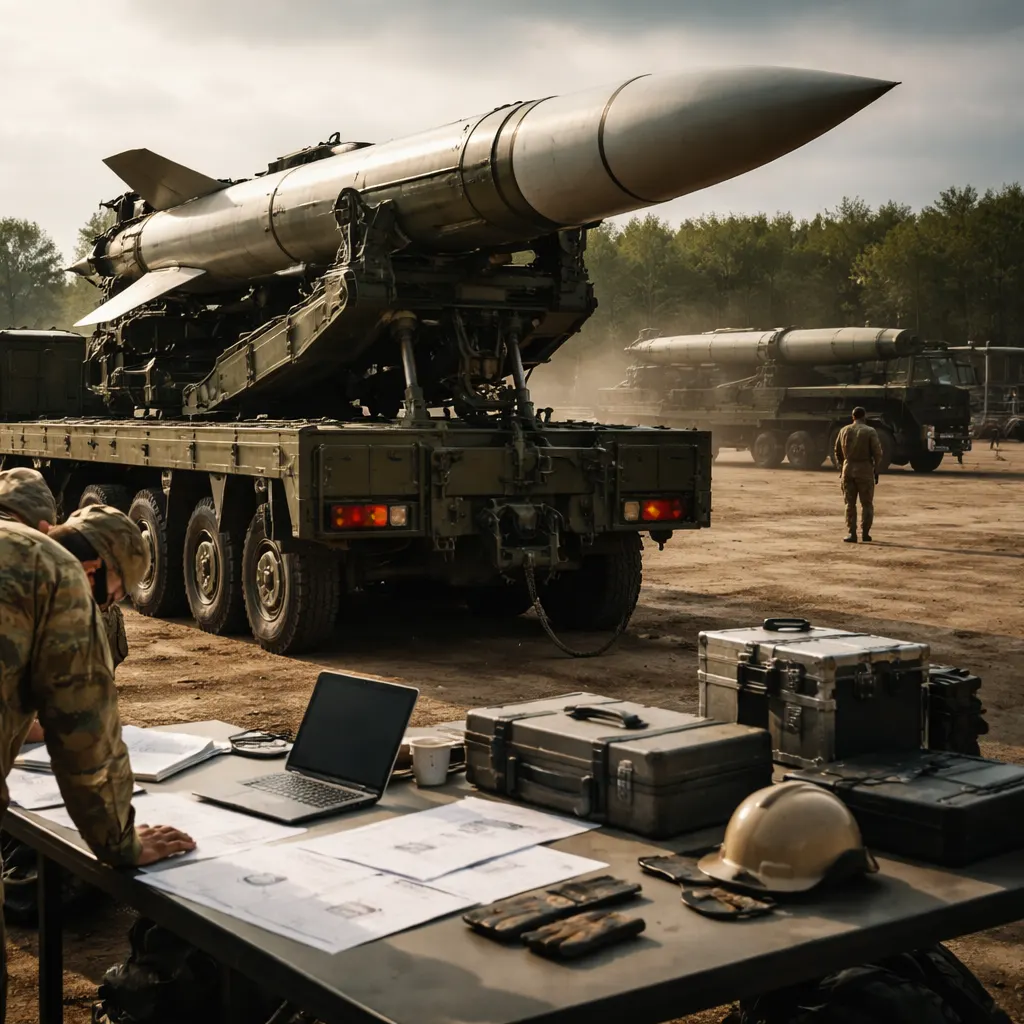
The Army announced a $1.08 billion missile interceptor development project on October 29 with an unusual funding structure: the contractor committed $423 million of its own capital, nearly 40 percent of the total cost, according to a Hoover Institution report published this week. The arrangement marks a shift toward private industry sharing development risk with taxpayers, creating incentives to identify flawed assumptions early when they're still cheap to fix rather than after production begins.
The interceptor shortage driving the program is already severe. Between June 2025 and September, the United States likely burned through half to two-thirds of its inventory of certain interceptors across two conflicts with Iran, the Congressional Budget Office estimated. Rebuilding those stocks would probably require at least five years even with increased production rates. The economics of interception worsen the problem: a Patriot interceptor costs roughly $4 million, while Iranian-designed Shahed attack drones range from $20,000 to $50,000. Oil moving through the Strait of Hormuz in early 2025 represented about a fifth of global petroleum consumption, and CBO linked disrupted shipping through Hormuz and the Red Sea to higher energy prices, projecting annual inflation in the personal consumption expenditures index would run half a percentage point above its February forecast in the first quarter of 2027.
The report argues that "digital twins"—computer models of physical systems kept current with real-world data—can help ease interceptor demand by identifying which weapons mix delivers the most protection per dollar before assets are committed. According to the Hoover Institution analysis, connecting these simulations in a virtual environment lets planners test how equipment performs together as conditions worsen, revealing vulnerabilities like running out of interceptors long before exhausting other resources. The Government Accountability Office reports that operating and support expenses historically account for about 70 percent of a weapon system's lifetime cost, making early testing critical to procurement decisions.
The report emphasizes that sophisticated simulations can mislead if they make weak assumptions look authoritative, and synthetic data can reproduce designers' blind spots at scale. Independent testing against actual equipment must establish where a model can be trusted and how uncertain its predictions are, with any savings estimate counting the cost of building, maintaining, and validating the simulation itself. The authors recommend starting with a demonstration tied to a real procurement decision, setting required performance standards and comparing competing approaches under independently chosen conditions. Contracts should require common interfaces and sufficient rights to reuse models and evaluate rival components while protecting intellectual property, allowing smaller firms to contribute better sensor models without building entire virtual worlds.
The report concludes that if replenishment takes five years, the cost penalty of a mistaken purchase extends far beyond its price tag. Defense contractors should welcome hard findings even when they lose a contract, the authors write, because when companies have their own capital at risk, early bad news protects shareholders as well as taxpayers. Budgets should reward evidence that arrives while decisions can still change—otherwise expensive simulations become elaborate endorsements rather than genuine tests. The Pentagon needs to reward finding mistakes while they're still cheap to fix.