
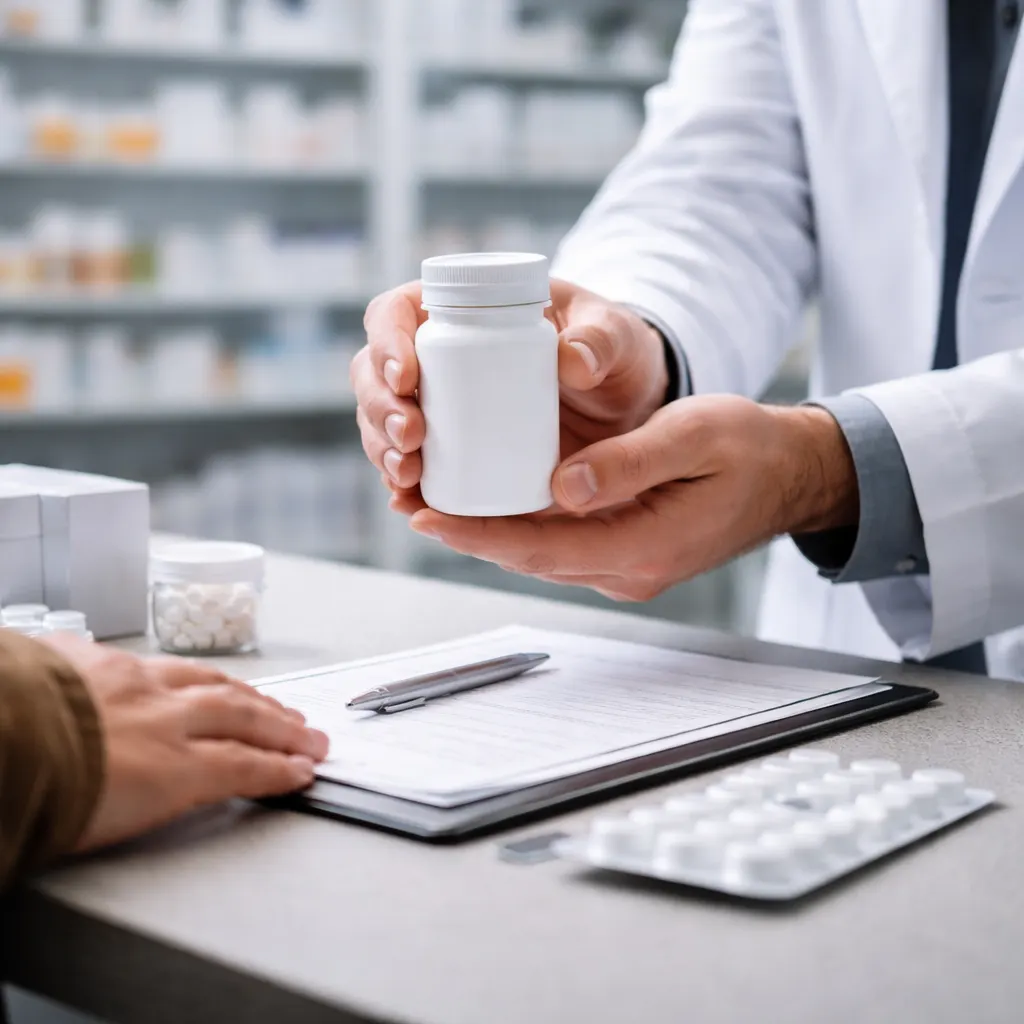
Maryland has reported 969 opioid-related deaths this year, prompting Gov. Wes Moore to sign legislation that allows pharmacists to prescribe buprenorphine, a medication used to treat opioid use disorder. According to an R Street Institute commentary published this year, House Bill 838 and Senate Bill 562 address a troubling reality: in many cases, accessing buprenorphine treatment is harder than obtaining illicit opioids like fentanyl. The new law represents a significant step toward removing barriers that prevent people struggling with addiction from getting help when they need it most.
Under the legislation, pharmacists who have a "pharmacist-prescriber agreement" with a physician or other medical practitioner can now initiate, adjust or continue medication for opioid use disorder therapy with patients. The commentary notes that there are over 1,000 pharmacies in Maryland, which will greatly increase access to this life-saving care compared to the limited number of addiction treatment providers concentrated in urban areas. Many Marylanders already rely on pharmacists for healthcare services including prescriptions for overdose reversal medication, hormonal contraceptives, and HIV pre- and post-exposure prophylaxis. The tangible costs of opioid addiction for Maryland taxpayers are estimated at over $2.2 billion annually in healthcare and criminal justice expenses, plus lost productivity.
The commentary points out that patients receiving buprenorphine are 60% less likely to experience overdose, and real-world experience shows that nearly 87% of patients are still receiving care after 90 days when pharmacists prescribe the medication. The authors note that "for people seeking help, timing matters" because delays of even a few days can mean the difference between entering recovery and returning to opioid use. The commentary emphasizes that buprenorphine is one of the most effective treatments for opioid use disorder and helps reduce the social, economic and health-related harms commonly linked to opioid addiction.
The legislation builds on previous bipartisan efforts in Maryland to expand access through telehealth prescribing, state-mandated treatment of opioid addiction in jails, establishing the buprenorphine training grant program for EMT administration, and directing hospitals to offer rapid access to medications. The commentary addresses concerns about misuse by noting that when people obtain buprenorphine outside the medical system, it's often because formal care is inaccessible and they're trying to manage withdrawal symptoms—and even then, it's far safer than illicit opioids like fentanyl and linked to lower overdose risk. The authors conclude that when people decide to seek help, it's critical that the system doesn't force them to wait days, travel for hours or navigate unnecessary hurdles, arguing that treatment for opioid addiction shouldn't be harder to obtain than the drugs fueling the epidemic.