
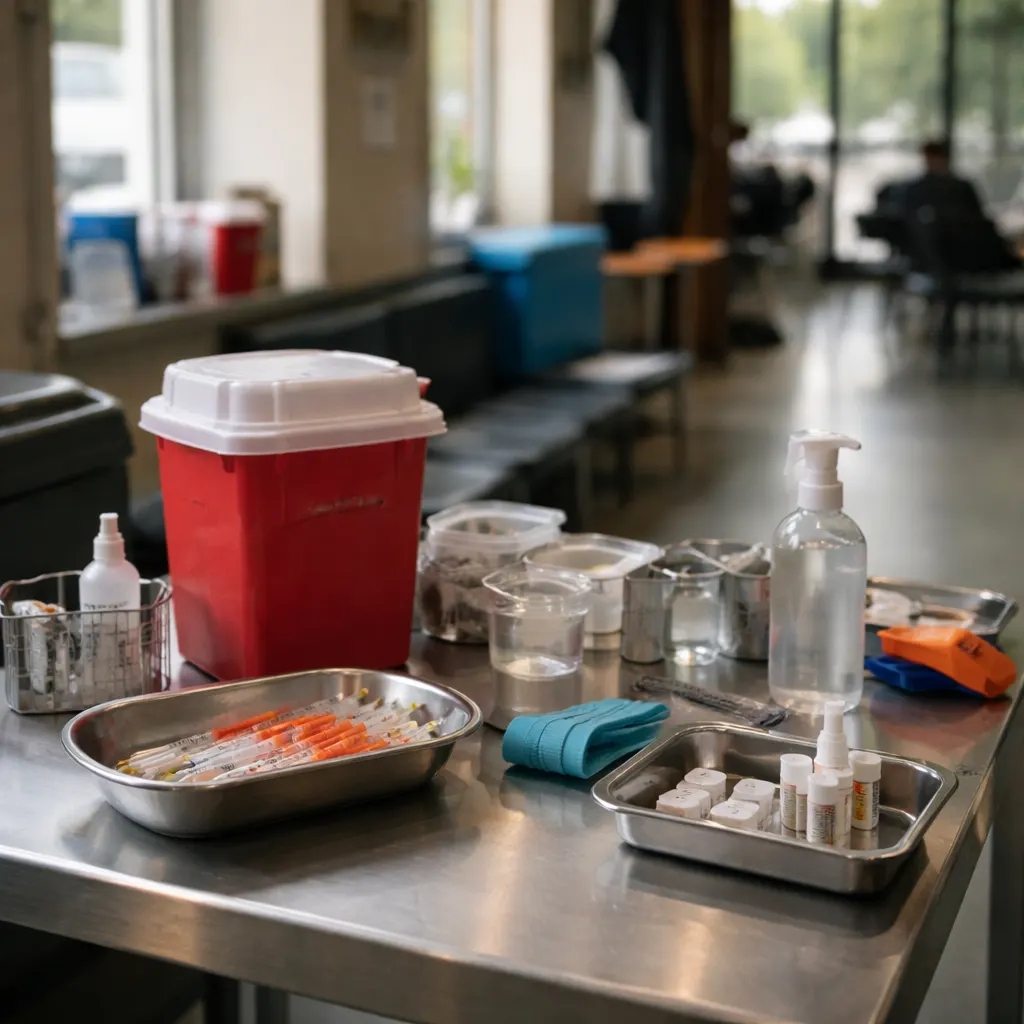
Syringe services program participants are five times more likely to enter treatment than nonparticipants and roughly three times more likely to stop using drugs altogether, according to a July 2026 comment submitted by the R Street Institute to the Department of Health and Human Services. The nonprofit research organization's response to HHS's Request for Information on Chronic Disease of Addiction argues that withdrawing federal support for harm reduction will actively undermine efforts to combat substance use disorder and the overdose crisis.
The report highlights a significant decline in overdose deaths nationwide, with approximately 70,000 Americans dying of an overdose in 2025, down from roughly 110,000 in both 2022 and 2023. Despite this progress, millions of individuals continue to struggle with substance use disorder across the country. Almost half of Americans say they personally know someone who died of an overdose. Syringe services programs reduce HIV and hepatitis C risk by 50 percent each time they distribute needles. Legalizing fentanyl test strips has been shown to reduce overdose deaths, and sterile injection equipment lowers the odds that a person will develop injection-site infections or associated complications.
According to Stacey McKenna, associate director and Resident Senior Fellow at R Street who authored the comment, harm reduction "does not undermine recovery or encourage drug use; rather, it can work on a continuum with and alongside treatment to support people trying to overcome their SUD." The report emphasizes that recent research shows syringe services program engagement is a much more reliable pathway to treatment than contact with the criminal justice system. The authors note that many harm reduction organizations actively offer treatment initiation to their participants. Opening a syringe services program in a community is consistently followed by reductions in improper disposal of used equipment, the report finds.
The comment explains that substance use disorders are chronic conditions people may struggle with for years or decades, making recovery a non-linear process where relapse is most likely during periods of stress, transition, or insufficient support. Because people in recovery remain at risk for overdose and infections during these difficult periods, harm reduction keeps individuals alive and healthy while strengthening their connection to treatment programs. The report argues these programs save taxpayers money by averting costly infections and preventing overdoses before individuals need emergency services or hospitalization—benefits especially powerful in rural communities where health expenses tend to be disproportionately high. If lawmakers want to save lives, encourage recovery, and make communities safer, they must utilize harm reduction as an essential piece of the puzzle, the report concludes.