
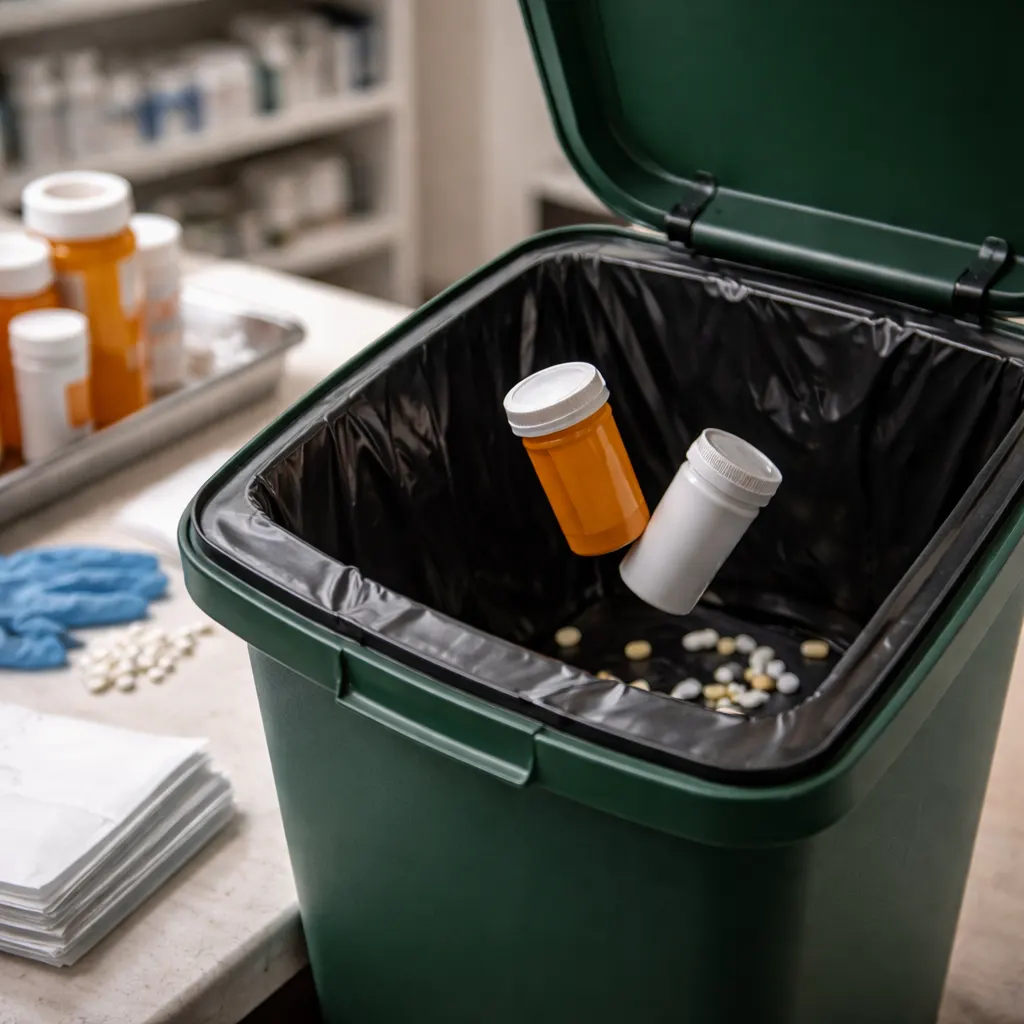
State and local governments are beginning to spend at least $52 billion from the National Opioid Settlements, distributed over about 18 years to address opioid-related harms, according to a new analysis from the R Street Institute. The report finds that many states are allocating millions of dollars to programs that don't address today's overdose crisis, including drug-disposal initiatives designed for prescription opioids even though illicit synthetic drugs like fentanyl have driven deaths for years. The settlements stem from lawsuits against opioid manufacturers and distributors for their role in the rise of opioid overdoses in the 1990s and early 2000s.
The epidemic has moved through distinct phases since it began in the late 1990s, when providers started writing more opioid prescriptions for medical reasons. By 2010, policies had restricted access to prescription opioids, leading people already addicted to switch to heroin because it was easier to get. Three years later, synthetic opioids like fentanyl accelerated overdose deaths until they peaked in 2022. Today, many argue that the co-use of stimulants and opioids has moved the crisis into a fourth wave, yet some opioid settlement-funded programs still treat prescription opioid misuse as the primary problem.
The report finds that drug-disposal programs, including prescription drug take-back days and deactivation kits, have received millions of dollars in settlement funds despite little to no evidence that they decrease overdose deaths. According to the authors, medications for opioid use disorder—particularly buprenorphine and methadone—reduce overdose deaths and acute care use but remain underutilized. The analysis also notes that syringe services programs are supported by nearly three decades of research, proven to decrease overdoses, and highly cost-effective but grossly underfunded. Meanwhile, some states are allocating settlement funds to law enforcement programs even though laws that penalize people who use drugs are shown to increase drug-related harms and discourage engagement with healthcare.
The report warns that supplantation—replacing existing funding with settlement funds rather than adding new resources—is becoming a concerning trend. This practice is ineffective because current programs are already insufficient to address the epidemic and are losing existing federal funding. The authors explain that people with opioid use disorder often need many years of treatment and support, and the condition's social impacts linger even after stability is achieved. The opioid overdose epidemic started more than 25 years ago, and despite overdose rates decreasing over the past few years, they remain much higher than at the beginning. The report emphasizes that wise spending decisions require understanding that the crisis today differs fundamentally from earlier phases, with illicit opioids now dominating the drug supply and creating challenges that prescription-focused interventions can't address.
The report recommends that policymakers invest in drug-checking programs like fentanyl and xylazine test strips, which help people identify unknown substances in the unregulated illicit drug supply, though recent federal guidance prohibits the use of federal funds to distribute them. Communities should expand access to buprenorphine through mobile treatment programs, ambulances equipped to provide the medication after overdoses, and emergency department interventions. The authors stress that tailoring interventions to local conditions is vital because substance use doesn't affect every community in the same ways, and engaging community members who represent a variety of perspectives increases cost-effectiveness and impact. How states spend these settlement funds today should account for the reality that there are no easy solutions to an epidemic that's been unfolding for more than a quarter century.