
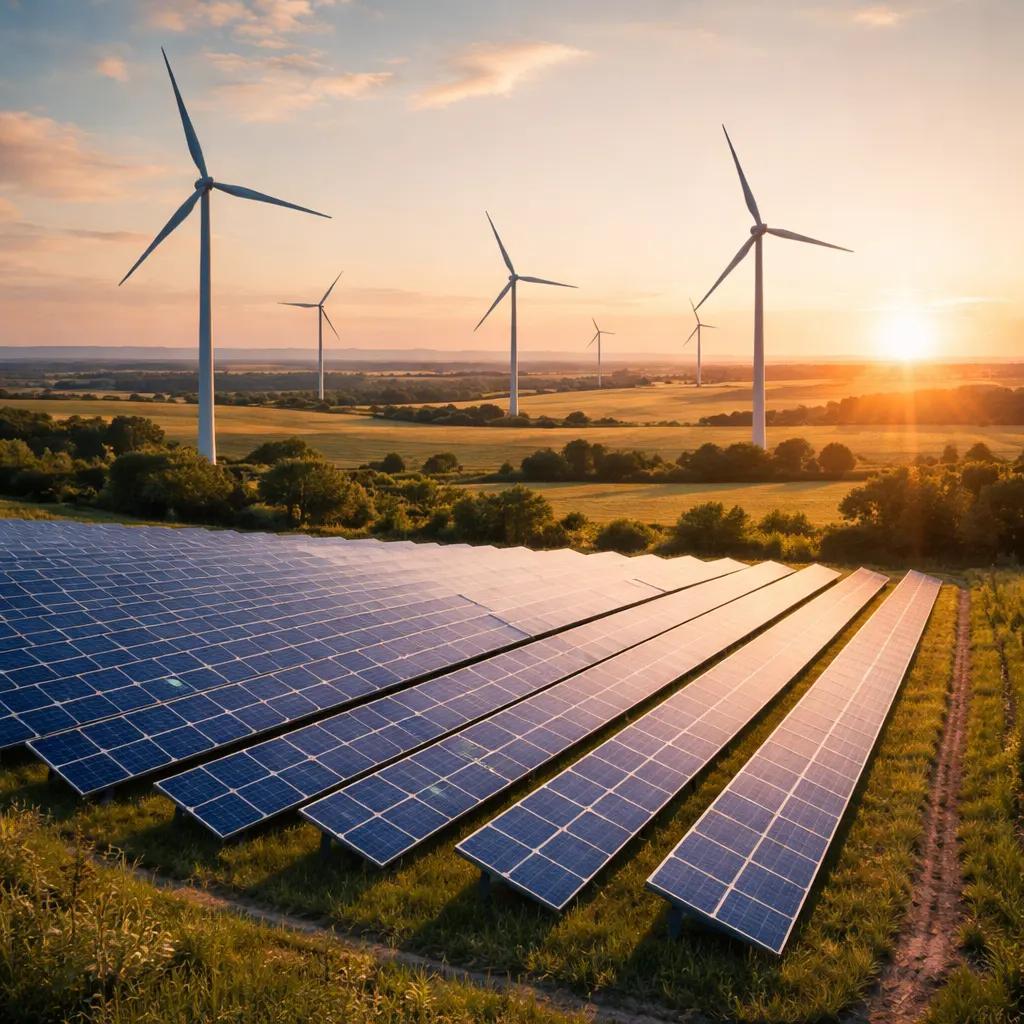
Rural communities that host wind energy infrastructure saw their gross domestic product increase by roughly 7 percent, according to a new study from the University of Missouri's Center for Rural Energy Security. The research, led by economist Adrienne Ohler, examined economic indicators in counties with renewable power facilities compared to those without, covering the period from 2001 to 2023. The findings arrive as Midwestern and Great Plains states see a surge in local regulations governing renewable energy development.
Solar energy development delivered the largest economic advantages to the utilities, construction, and transportation industries, with each sector experiencing employment and wage growth between 10 percent and 20 percent. Meanwhile, neither wind nor solar projects were linked to drops in agricultural GDP, jobs, or pay, suggesting that renewable infrastructure doesn't meaningfully reduce farming economic activity. In Iowa, Minnesota, Nebraska, and South Dakota, the count of counties with renewable energy ordinances grew by 45 percent over the past two years, according to analysis by the Center for Rural Affairs. Wind power now generates more than 50 percent of Iowa's electricity, while Missouri draws nearly 10 percent of its power from wind and just over 1 percent from solar.
The study's lead researcher emphasized that renewable energy isn't suitable for every area. "Renewable energy isn't right for every community. There are good reasons to adopt it and good reasons to sort of set up ordinances and permitting that would sort of limit what it would look like in a community," Ohler said, noting that concerns about property values and removing farmland from production can create divisions among neighbors. Josh Moenning, director of New Power Nebraska, pointed out that no form of energy generation comes without trade-offs, but added that counties permitting investment through reasonable regulations have seen benefits. Large-scale renewable facilities are overwhelmingly located in rural areas, with 70 percent of major solar installations and 94 percent of wind farms built on cropland.
The increasing wave of local ordinances often establishes requirements for vegetation management around energy infrastructure, decommissioning procedures when plants close, and setback distances from neighboring properties or roads. Heather Sparks, policy associate at the Center for Rural Affairs, described the shift as a maturing relationship between counties and developers, with more formal guidelines replacing what was previously a less structured process. However, in rare instances, local governments impose extremely restrictive renewable energy rules to effectively block development—extending setback requirements by a quarter mile or half mile can fundamentally alter project economics and make locations unviable for developers, according to Jordan Oster, Energy Program Director at the Iowa Environmental Council.
Ohler advised that for a county or community to realize positive outcomes, they'd need to put comparable mechanisms and regulations in place to those found in successful areas. James Owen, executive director of Renew Missouri, noted that while renewable projects don't create many permanent jobs, communities gain from higher tax revenue that supports school districts, fire departments, and ambulance services. He also highlighted energy security advantages, pointing out that solar and wind can be produced domestically rather than relying on imported oil and gas. The research suggests that with thoughtful local planning, rural communities can capture economic growth from renewable development while balancing property rights and community values.