
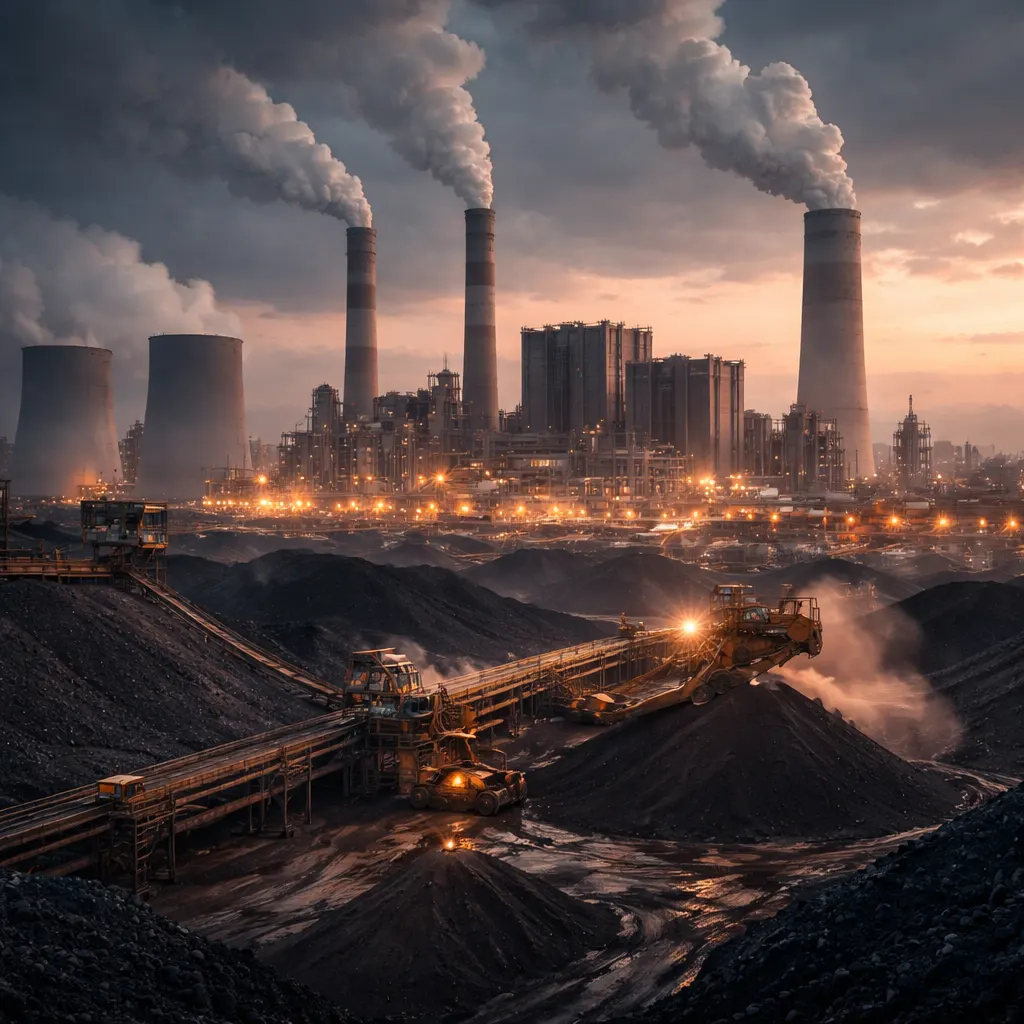
Shifts in federal policy and forecasts of surging electricity demand have pushed utilities and developers to pivot toward building conventional natural gas plants, slowing the growth of renewable power from its 2024 high while fossil fuel capacity — if operated as expected — "could reach a market share not seen since the early 2010s," the Environmental Defense Fund said in a report released Tuesday. The analysis highlights a striking reversal in power sector planning after years of accelerating clean energy development.
Renewable energy still represents the biggest portion of planned U.S. electricity infrastructure development, the EDF report found, but the pace of new projects has decelerated while fossil fuel plans have accelerated. When adjusted for capacity factors, proposed natural gas project capacity now matches that of solar and wind combined, the report said. Cancellations of fossil fuel projects fell in 2024 and stayed low through mid-2026, while clean energy project cancellations have climbed since 2022. In 2025, developers scrapped nearly 5% of a planned 281.7 GW of renewable deployment, the analysis found.
The report identifies several drivers behind the shift, including federal subsidies for coal plants, scrapped greenhouse gas rules, the elimination of clean energy tax incentives, and new obstacles to permitting renewable projects. David Villagrana, EDF's lead counsel for clean energy tax solutions, noted that "rising gas turbine costs and supply shortages are already making new gas plants more expensive and slower to build." The Trump administration's emergency orders forcing coal plants to operate past scheduled retirement dates and funding for new coal facilities have also contributed, according to the report.
Yet the gas buildout confronts serious challenges, the analysis warns. Turbine shortages and potential natural gas price volatility threaten to drive up the levelized cost of energy for gas plants, the report found. An October 2024 Wood Mackenzie analysis cited in the report concluded that investment in gas generation is entering "a supply deficit cycle through the late 2030s, driven by data centre load growth," which keeps thermal capital costs elevated and strengthens the long-term economic case for renewables and storage. A June analysis from Energy Innovation found that a fuel price spike similar to 2022 would push electricity costs up $40.5 billion annually under a fossil-heavy scenario, the EDF report noted.
Villagrana said that while recent geopolitical turmoil has pressured gasoline and diesel prices more than U.S. natural gas, "a prolonged crisis highlights the risks of investing in fossil fuel power plants that depend on volatile fuel prices for decades." Wind and solar don't require fuel purchases, he added, helping shield consumers from price swings and offering greater long-term cost certainty. The report warns that if utilities respond to rising electricity demand primarily with new fossil generation, consumers could face higher costs from turbine supply constraints, rising capital costs, and fuel price volatility.