
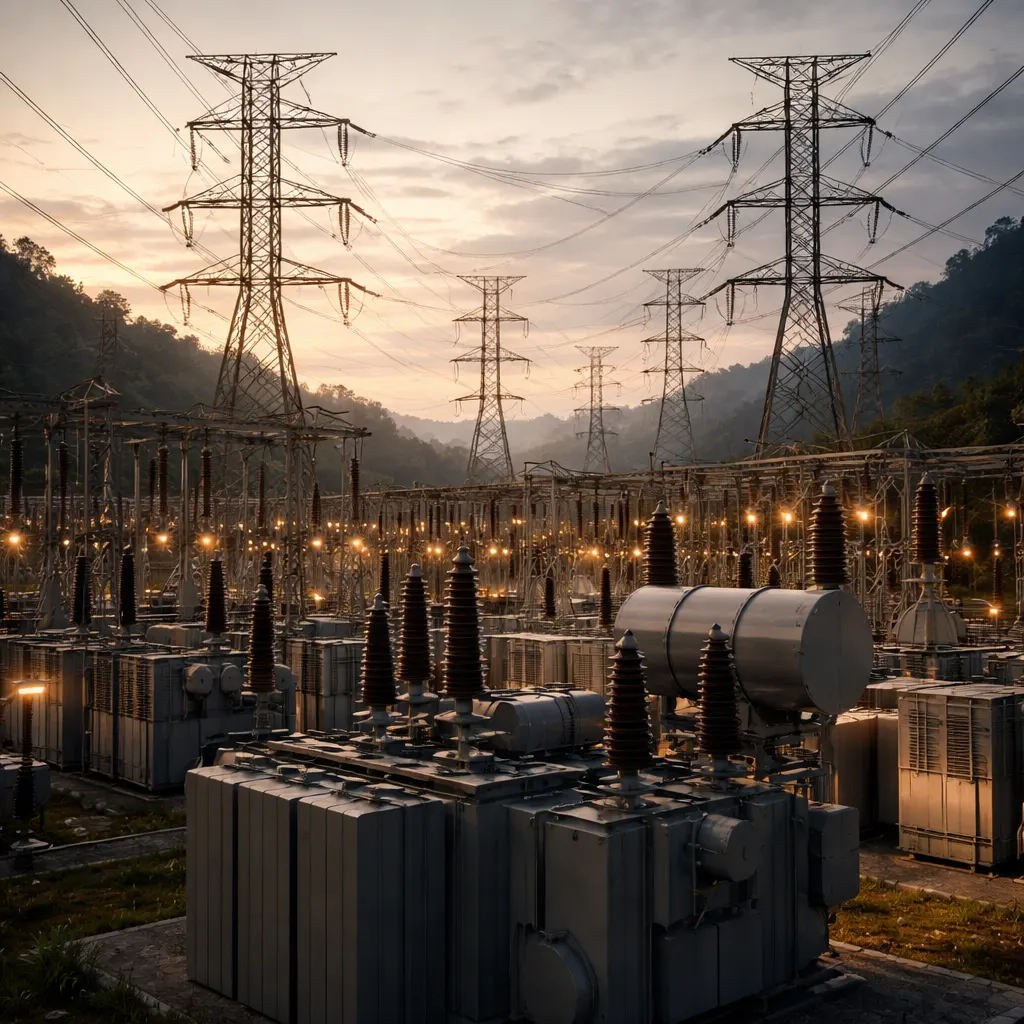
Electricity demand in Southeast Asia is projected to climb by roughly 5.4% each year from 2026 to 2030, driven by expanded cooling use, industrial expansion, and the proliferation of data centres, according to a new review published by the International Energy Agency. The ASEAN Energy Security Review, presented to energy ministers from the Association of Southeast Asian Nations in Manila on October 7, warns that mounting fuel imports and rapidly growing power needs are heightening the region's vulnerability to market shocks and price swings. The report calls for stronger national readiness and deeper cross-border collaboration to help ASEAN members weather supply interruptions and volatile markets.
Energy consumption per capita across Southeast Asia has jumped by nearly 30% over the last ten years, propelled by economic expansion, industrial development, urbanization, and improving living standards, the report states. Meanwhile, regional crude oil output has dropped by 40% from its 1990s peak, while crude imports have risen. Growing imports of liquefied natural gas are also leaving several nations exposed to shifts in global gas markets. The severe disruptions to energy flows through the Strait of Hormuz this year have highlighted the need to prepare for shocks to international fuel markets and critical shipping routes, the review notes.
"Southeast Asia is one of the world's most dynamic regions, but its rising needs for energy to power its economic growth face challenges in an increasingly uncertain global energy landscape," said IEA Executive Director Fatih Birol. The review recommends that ASEAN countries diversify their sources and routes of supply, expand use of domestic energy resources where economically viable, and boost energy efficiency and electrification. It also calls for clearer emergency procedures, stronger market monitoring, and regular drills to test how nations would respond to major disruptions. The report stresses that coordinated energy security measures must reflect different national circumstances, noting that coal still plays a significant role in electricity generation and industrial activity in several ASEAN countries.
Meeting the projected surge in electricity demand reliably will require investment in grids, generation capacity, and system flexibility, as well as planning that accounts for fuel supply risks and extreme weather, according to the report. Pressures on electricity systems are set to increase as the region's energy needs grow. More efficient vehicles, buildings, appliances, and industrial equipment could ease pressure on fuel imports and power systems across the region, while closer cooperation on critical minerals could help countries develop regional capabilities and reduce exposure to concentrated global supply chains. The review finds that turning regional commitments into working arrangements for information sharing, emergency response, and cross-border support will be increasingly important.
The report points to existing ASEAN agreements as a foundation for action. The ASEAN Plan of Action for Energy Cooperation 2026-2030 provides a framework for implementing the recommendations, while putting the ASEAN Framework Agreement on Petroleum Security into action can support emergency planning and oil stockholding. The IEA and the ASEAN Centre for Energy also published a joint policy brief on policy and regulatory actions to support deployment of battery energy storage systems, which can provide greater flexibility to power systems and help integrate growing shares of variable renewable energy. By working more closely together, ASEAN countries can make better use of their collective resources and respond more effectively when disruptions occur.