
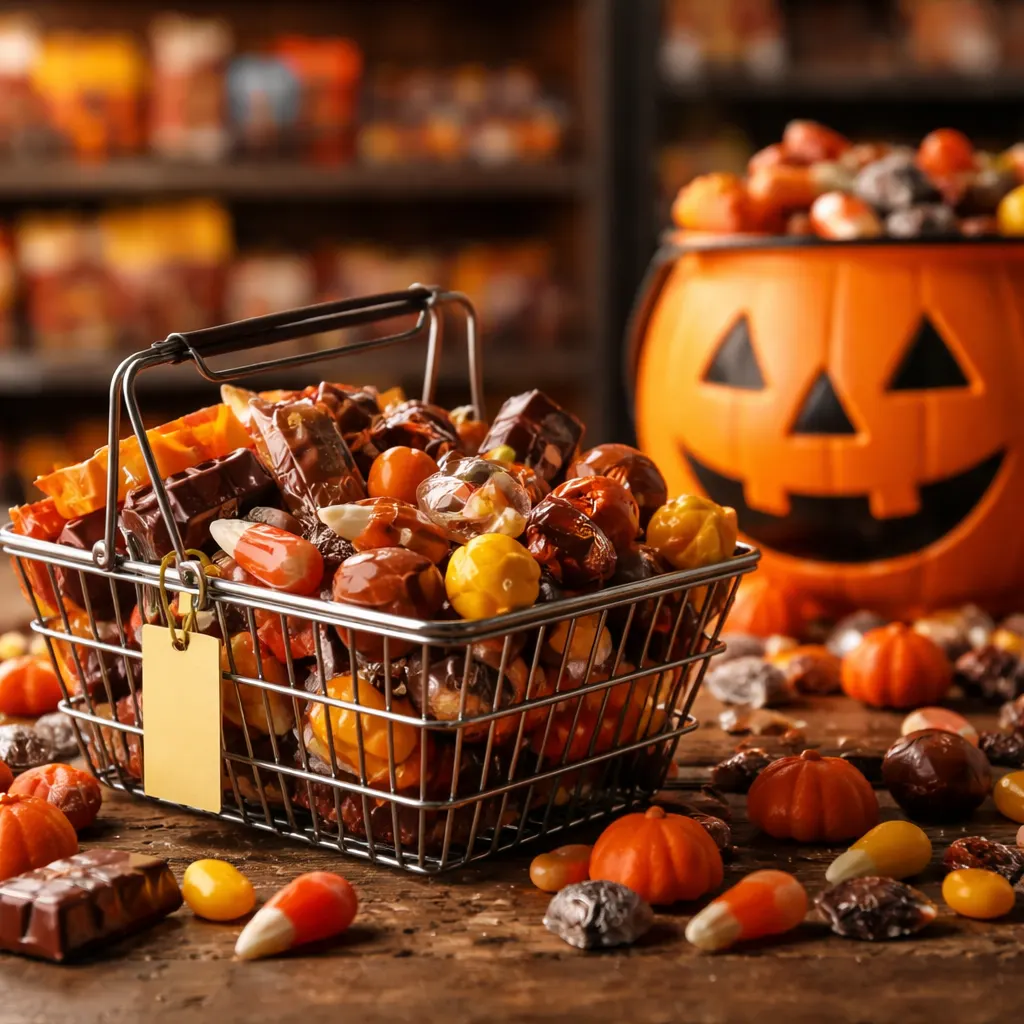
The price of Halloween candy has climbed 7.7 percent between 2025 and 2026, outpacing overall U.S. inflation by more than double, according to a new report from the Washington Policy Center citing Federal Reserve Bank data. The surge in costs for trick-or-treat staples stems from a combination of weather disruptions, international trade policies, and sustainability initiatives affecting cocoa and sugar production. The analysis highlights how global supply chain vulnerabilities reach American neighborhoods, even on the sweetest night of the year.
Chocolate dominates the top six most popular Halloween candies in the United States, but Hawaii is the only state that can grow cocoa beans at commercial scale, meaning most chocolate for peanut butter cups and similar treats must be imported. The report notes that U.S. chocolate manufacturers obtain the majority of their cocoa beans from Ecuador, Cote d'Ivoire, Ghana, the Dominican Republic, and Peru, with the West African nations of Cote d'Ivoire and Ghana leading global production. Drought struck West Africa in 2022, followed by heavy rainfall in 2023 that brought disease to both cocoa plants and sugar producers, disrupting growth and shipment of both ingredients. Similar weather-related problems hit South America in later years, further constraining the supply chain and driving up prices due to ingredient shortages.
The lack of humidity proved to be the critical factor rather than heat, as researchers have found cocoa plants require nearly constant moisture to flourish and produce consistently sized beans year after year. Sugar prices also climbed after 2014, when the American Sugar Coalition claimed that a duty-free import agreement with Mexico was undermining domestic sugar production, effectively ending that arrangement. Following the allegation, authorities implemented a price floor for all sugar entering the United States regardless of origin, raising overall sugar costs. More recently, sustainability efforts have introduced the Living Income Differential, a $400-per-ton premium added to the price floor for premium cocoa and designed to be paid directly to growers to help level the field for small- and medium-sized producers, though the report states some industry observers have labeled the initiative as counterproductive despite endorsements from companies like Mars.
The convergence of climate, trade, and policy factors illustrates how vulnerable the food supply chain has become to disruptions originating thousands of miles away. Because cocoa plants are particularly sensitive to environmental conditions, weather events in one growing region can ripple through the entire global chocolate market within a year or two. Trade policies enacted domestically, such as the sugar price floor introduced after 2014, add another layer of cost that consumers ultimately bear. Meanwhile, sustainability premiums like the Living Income Differential, though intended to support small farmers, create additional expense that flows through to retail prices, raising questions about whether well-intentioned interventions might inadvertently make treats less affordable for families.
The report argues that while these cost increases probably won't change how much candy Americans hand out or how they view Halloween, they should serve as a learning opportunity rather than a nuisance to ignore. Lawmakers control the policies they choose to enact and can ensure those policies keep food and candy costs reasonable for families across all income levels. The bottom line: no child should open their trick-or-treat bag and, like Charlie Brown, find they got a rock instead of a candy bar.