
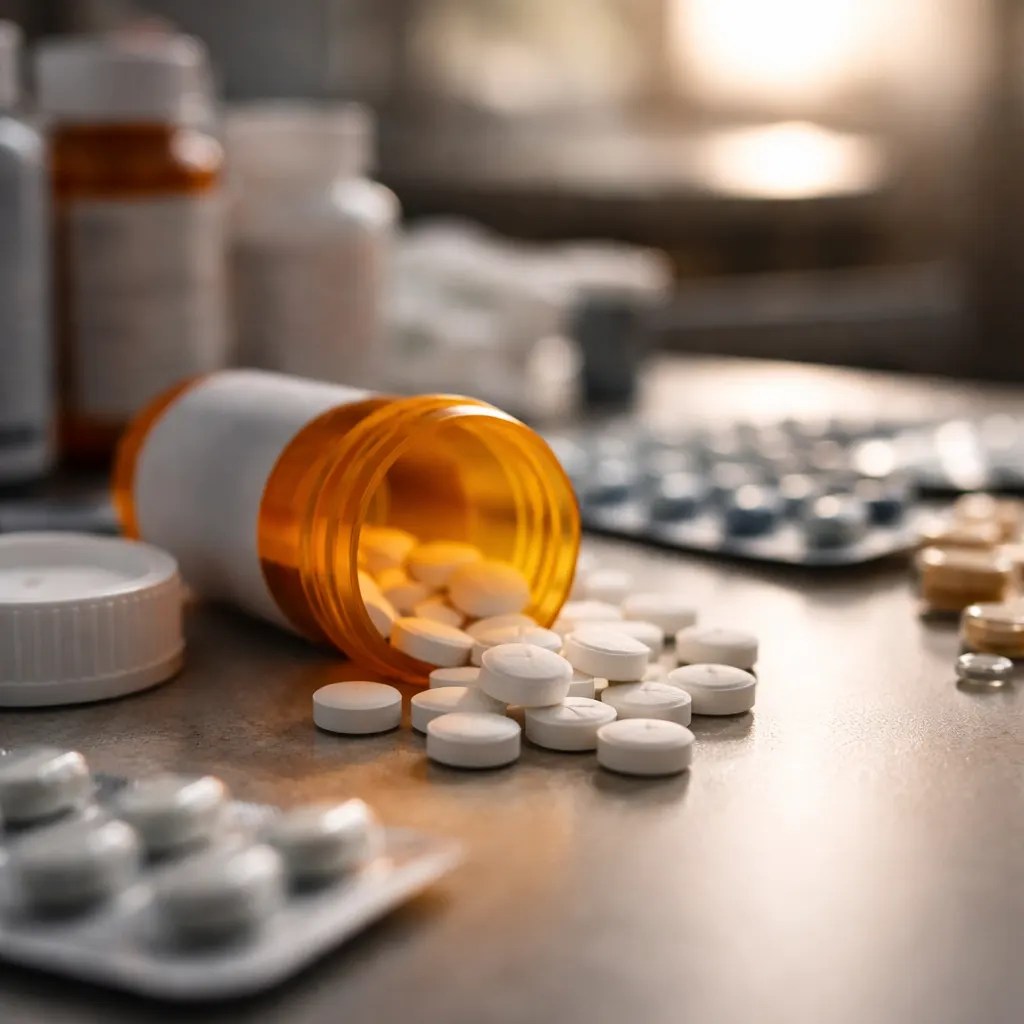
Prescription drug prices in the United States fell 4.5 percent year-over-year through the latest 2026 data—the steepest annual decline since 1963—even as overall consumer prices climbed 3.7 percent, according to an analysis published by the Manhattan Institute's City Journal. The piece, authored by Joel Zinberg, director of the Paragon Health Institute's Public Health and American Well Being Initiative, attributes the drop to a combination of Trump administration drug pricing programs, generic competition, and discounts on popular weight-loss medications.
The Consumer Price Index for prescription drugs has either declined or remained flat every month of 2026, according to Bureau of Labor Statistics data cited in the report. Nonprescription drug prices also fell 0.9 percent over the same period. While Medicare's negotiation program for ten drugs took effect in January 2026 and contributed to an initial price drop, the report notes that subsequent monthly declines suggest additional factors at work. U.S. prescription drug spending had surged in 2025, driven largely by roughly $60 billion in spending on each of the GLP-1 weight-loss drugs tirzepatide and semaglutide. First-time generic approvals reached 88 through August 2026, putting the year on track to exceed the 91 approvals in 2025 and 76 in 2024.
The report describes TrumpRx, launched in February 2026, as a program offering cash-paying patients substantial discounts on more than 800 medications, with GLP-1 weight-loss drugs among the most popular. Agreements with drugmakers Eli Lilly and Novo Nordisk reduced costs for government programs and TrumpRx users while expanding Medicare coverage for obesity treatment to a $50 monthly copay. The report also details the Most-Favored-Nation initiative, under which the Trump administration secured agreements with 26 major pharmaceutical manufacturers—representing approximately 89 percent of the branded drug market—to bring Medicaid drug prices down to the lowest rates paid in other developed countries. All 50 states, the District of Columbia, and Puerto Rico have applied to join the Medicaid MFN program, which the White House Council of Economic Advisors projects will save taxpayers $64.3 billion over ten years.
According to the analysis, the decline stems from multiple mechanisms working in combination. TrumpRx discounts prove most valuable to uninsured patients and those whose private plans don't cover GLP-1s for obesity—less than a third of employer-provided health plans offer such coverage. By offering low, transparent prices to consumers, these programs create downward pressure on drug costs across all insurance plans. Research by Congressional Budget Office analysts shows that when a first generic version enters the market, prices fall by a third in the year of entry, while brand-name prescription volumes drop more than 90 percent as total prescription volume increases due to substitution. The MFN program has already delivered 1 million free prescriptions of Eliquis, a widely used anticoagulant, to Medicaid programs. The FDA has also announced initiatives to accelerate drug development, aiming to bring life-saving medicines to market faster and at lower cost.
The report frames high prices—largely attributed to inflation during the Biden years and energy cost spikes from the Iran war—as a continuing concern for Americans, with health-care costs tied with gas prices as the top economic worry in recent polls. Yet the analysis concludes that Americans can celebrate the drug price declines over the past year and anticipate further reductions as Trump administration initiatives reach full implementation. The takeaway: for the first time in decades, drug prices are moving in the right direction at a pace not seen in over 60 years.