
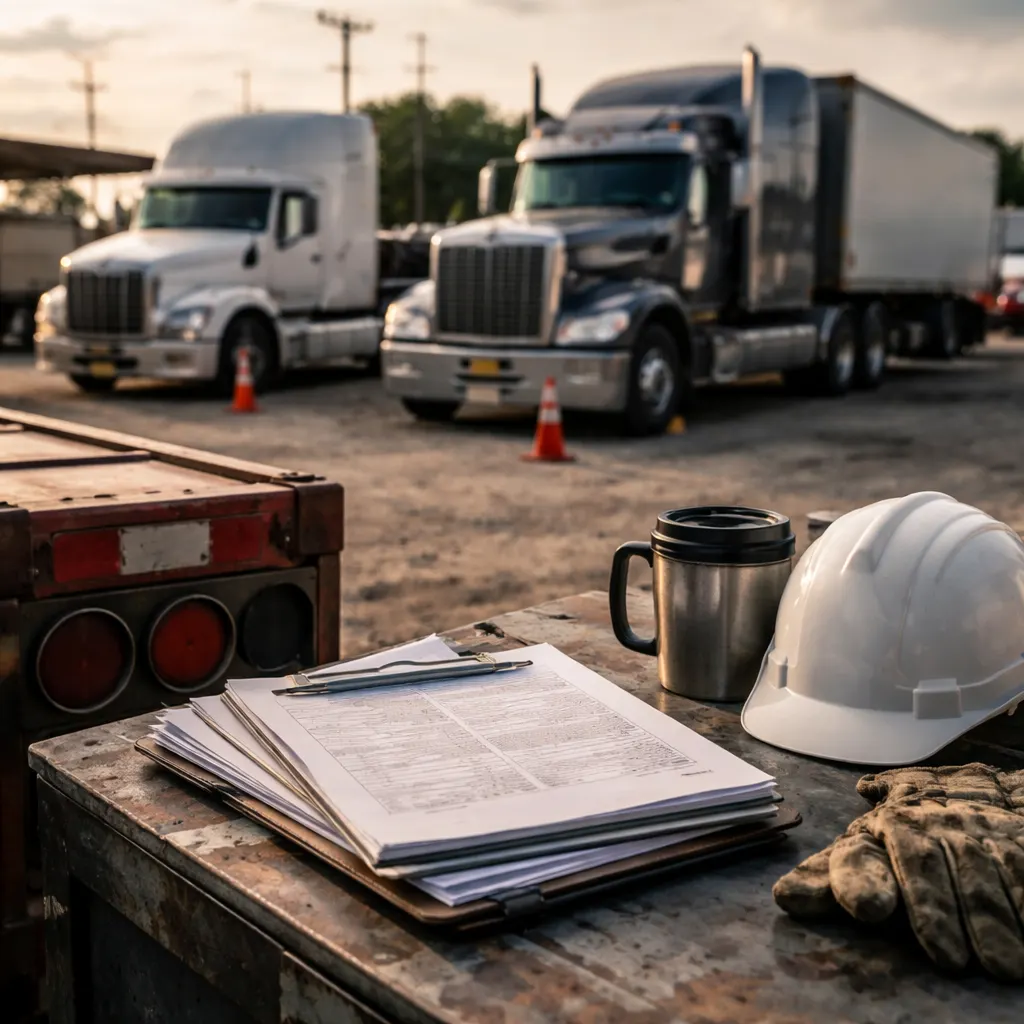
A single local permit delayed one freight load for approximately a week over a $1,420 fee, truckers told a Louisiana legislative committee examining the state's patchwork oversized vehicle permitting system. The Pelican Institute reported November 11, 2026, that haulers face unclear and inconsistent local rules across the state's 64 parishes, with some operating without permits entirely because local offices don't answer phones or return requests. The Oversized Vehicle Permit Study Committee, created by House Concurrent Resolution 53, heard testimony at September 15 and October 5 meetings describing a system where compliance has become impractical for honest operators.
Haulers described parishes that don't know their own permit procedures, along with rising escort fees and bond requirements that far exceed state-level standards. The Police Jury Association's early survey findings showed wide variation: some parishes have no permit process at all, some have ordinances but no mechanism to enforce them, and some maintain both. Dozens of trucks travel parish roads daily without permits because local governments can't process applications, truckers reported. The state Department of Transportation and Development told committee members it lacks authority to collect parish fees or direct truck routes on parish roads, though it plans to publish a listing of which parishes and municipalities require permits.
The report states that Louisiana's economy depends on moving oversized and heavy loads for ports, refineries, construction, agriculture, and energy projects, and the current system puts the state's businesses at a disadvantage compared to other states. According to the Pelican Institute, when a week-long delay can depend on a single local permit, the cost isn't just the fee itself—it's idle crews, missed deadlines, and projects that become more expensive to build in Louisiana than elsewhere. The report argues that uncertainty functions as its own cost because businesses can't price jobs when they don't know whether a parish will respond, what it will charge, or what bond it will require.
The report recommends that lawmakers avoid creating new mandates or additional bureaucracy, instead focusing on clarity and speed through five measures: publishing and maintaining a single statewide list showing permit requirements and costs for each parish, requiring parishes to have a working process before enforcing permit ordinances, keeping fees and bonds tied to actual road wear and administrative expenses, encouraging voluntary shared online application tools that preserve local authority while reducing paperwork, and recognizing parishes that adopt simple and transparent practices as models. The committee's report is due February 1, 2027. The Pelican Institute frames a predictable and fair freight system as a competitive advantage Louisiana can build without major spending, lowering costs for businesses and families while respecting local government's role in managing infrastructure wear from heavy loads.