
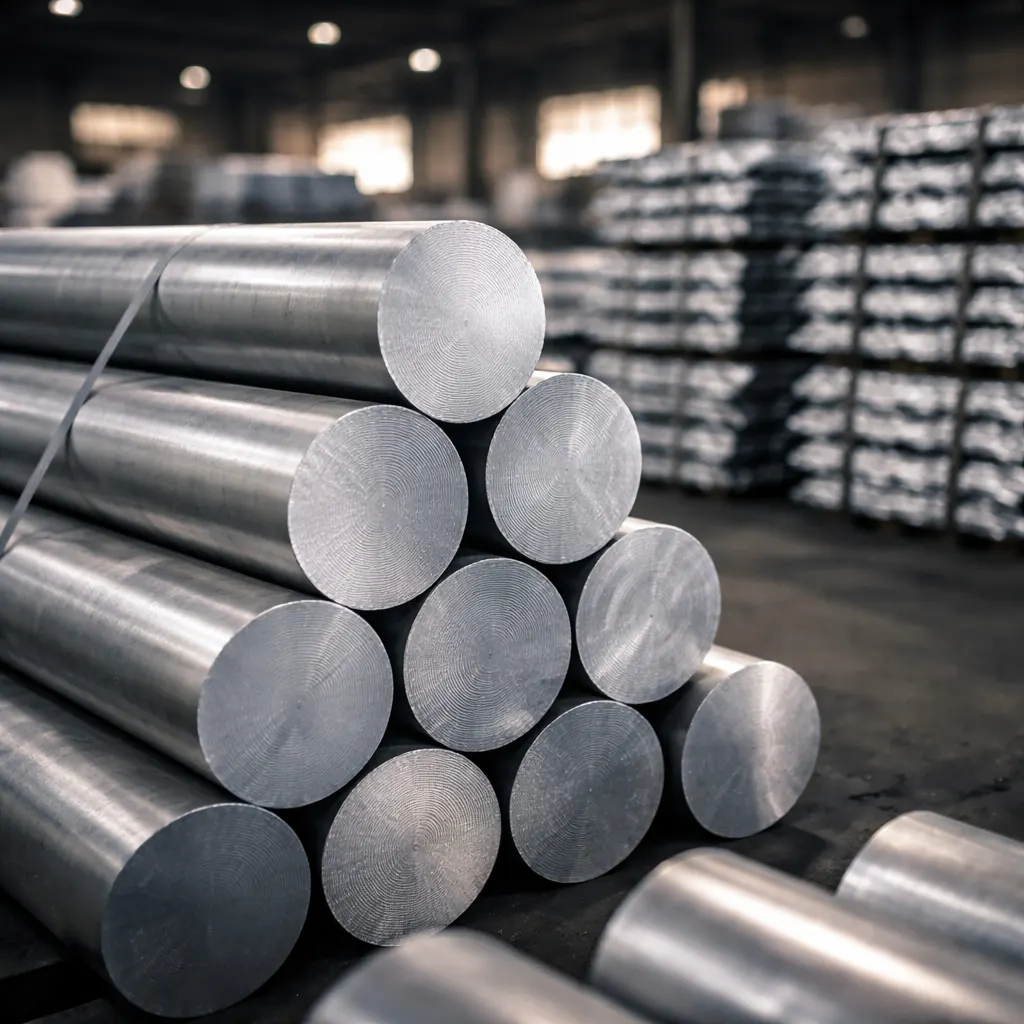
A Middle East conflict initially expected to create an aluminum shortage of up to 3 million tonnes will instead generate a deficit of roughly 900,000 tonnes in 2026, according to Wood Mackenzie's mid-year metals review released this year. The research firm, which had forecast a turbulent and fragmented global economy for 2026, found that the metals and mining sector absorbed the unanticipated conflict with more composure than most anticipated. Still, the report warns that underlying pressures—depleting inventories, rising costs, postponed investment decisions, and shifting demand patterns away from China—signal fragile stability rather than genuine comfort.
The conflict disrupted half of the world's sulphur supply, a problem intensified by China's limits on sulphuric acid exports, which has put sustained strain on copper and nickel output in regions including the Democratic Republic of Congo and Australia. Roughly 32% of global direct reduced iron production was affected by the fighting, though this represents only a small portion of total worldwide steel manufacturing. Copper is projected to shift into surplus this year, with trade imbalances caused by tariff-driven imports to the United States continuing to prop up prices. Global steel demand is weakening in the near term, while lithium has moved through the disruption largely untouched, supported by pre-existing oversupply and concentrated offtake in China.
"The sector has so far absorbed a significant shock with more composure than most expected," said Peter Schmitz, Director of Global Markets Research at Wood Mackenzie, in the report. "The concern now is what the numbers do not yet fully show: inventories depleting, cost pressures building slowly, investment decisions deferred, and demand reorienting away from China." The report notes that a 900,000 tonne aluminum deficit and slight copper surplus "are hardly comfortable figures," just "not as uncomfortable as they might have been." Supply chain resilience built during the COVID-19 pandemic and through repeated trade and tariff disruptions cushioned the impact, allowing companies to activate contingency plans rather than develop them from scratch.
The report explains that this resilience carries a price: trade friction and the conflict are gradually applying pressure on inflation, global economic growth, and commodity demand. The US Federal Reserve has kept interest rates unchanged amid inflation worries despite significant external pressure to reduce them. As oil and gas shipments faltered, conversations around electrification reached what the report describes as "fever pitch," evolving from reshoring jobs through trade barriers—including the updated EU Carbon Border Adjustment Mechanism—to constructing regional capacity as a buffer against geopolitical instability. Wood Mackenzie's 2026 outlook was built around the idea of "two hemispheres, one turbulent economy," with China's 15th Five-Year Plan pivoting toward advanced manufacturing while the United States maintained tariffs through various mechanisms despite a court ruling.
Looking ahead, the report frames two scenarios: "Summer settlement" examines whether the apparent resilience masks a delayed response before supply chain gaps hit downstream industries, while "Extended Disruption" assesses commodity outcomes under prolonged conflict, including the path of electrification and domestic energy resilience. The US mid-term elections stand as the next major policy and market milestone for 2026, particularly as the domestic resilience debate sharpens. Whether the momentum behind electrification and regional capability-building can survive a potential recession remains an open question, but the metals sector's ability to weather the first half of 2026 suggests the infrastructure to absorb shocks exists—even if the cost of maintaining it continues to climb.