
Nearly every manufacturing sector in the United States has shed jobs since the post-pandemic peak roughly three years ago, but two subsectors stand out as exceptions, according to a new analysis published by the Economic Innovation Group. The report finds that electrical components and transportation equipment manufacturing have not only added jobs since the 2023 peak but continued growing through 2025, even as the broader manufacturing sector lost 300,000 jobs from its second-quarter 2023 high of 12.9 million workers.
Four manufacturing subsectors posted positive net job growth since the recent peak, though two experienced reversals. Food, beverage, and tobacco product manufacturing gained 34,800 jobs on net since the peak, but lost ground last year. Petroleum and coal products manufacturing squeezed out a tiny net gain since 2023, then gave back ground in 2025. In contrast, electrical components manufacturing employed 9.1 percent more workers at the end of last year than in 2019, while transportation equipment employed 5.8 percent more. Jobs across all other manufacturing subsectors sat 2.9 percent below their pre-COVID levels. The recovery and brief expansion of 2022 and 2023, when the sector climbed above pre-pandemic employment, didn't last.
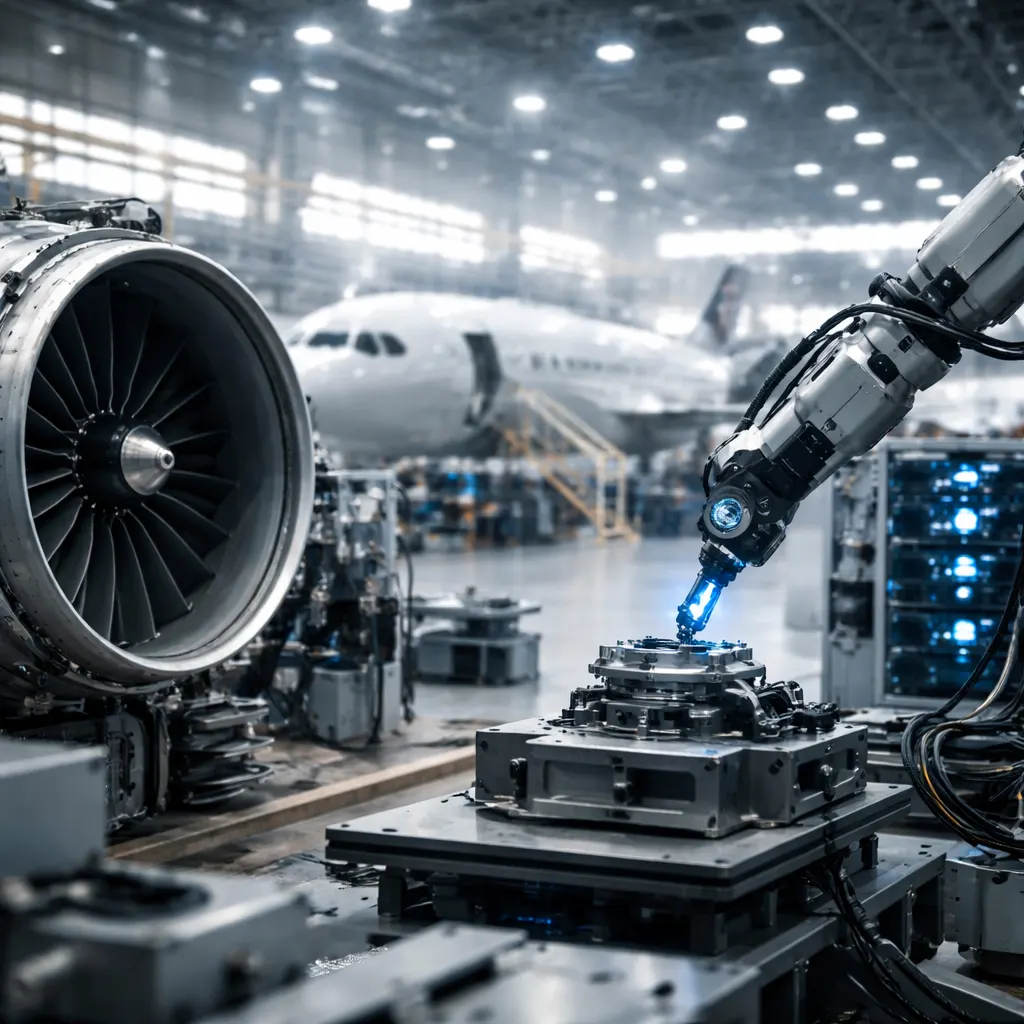
The transportation subsector's job growth comes almost entirely from the boom in aerospace, the report finds. Aerospace led all manufacturing industries in job growth since 2023 and posted the largest nominal trade surplus of any manufacturing industry last year at $116.7 billion. Strong commercial and passenger airline demand, including record-high order backlogs, drove the growth, while Boeing's return to profitability and high delivery volumes in 2025 after safety scandals and worker strikes boosted the sector. In electrical components, the employment surge owes its strength to electrical equipment manufacturing and batteries, wires, cables, and miscellaneous electrical components. Six AI-related industries and sectors raised their real consumption of electrical components by 15.4 percent from 2019 to 2024, while nominal consumption jumped 51.9 percent—a 36.5 percentage point gap that far exceeds the roughly 20 percent broad inflation over the same period.
Artificial intelligence explains much of the electrical components boom. Dedicated data centers more than doubled their real consumption of electrical equipment and components from 2019 to 2024, according to the report. Software firms building and deploying AI showed an even larger rise, likely propelled by onsite infrastructure upgrades. Data center buildup has lifted demand from engineering designers and construction contractors, while surging energy requirements have pushed governments to expand electricity generation and transmission. The aerospace sector's continued growth reflects the United States maintaining its historical edge in high-tech, high value-added manufacturing, driven by strong commercial airline demand and plane engine order surges that pushed manufacturers like GE Aerospace and Evendale to expand their workforces. The report dismisses protectionist claims that tariffs deserve credit for electrical manufacturing gains, noting that imports of electrical equipment and components didn't decline in 2025 relative to 2024, while metals tariffs raised input costs for the very manufacturers supposedly being protected.
A durable industrial renaissance will require cutting input and energy costs and lowering barriers to capital formation, the report concludes. Current policy isn't arresting the manufacturing decline, and tariffs have proven insufficient to reverse the broad-based retreat in employment. Even in the expanding industries—aerospace and electrical components—the binding constraint is supply struggling to keep up with demand, whether measured by airplane order backlogs, defense production delays, or surging components prices. The AI supply chain's impact on manufacturing extends beyond electrical components to architectural metals and cooling equipment, which ranked among the fastest-growing manufacturing industries since 2023. The spotlight falls on AI labs, chip designers, and computing hubs, but the AI ecosystem reaches the factory floor, representing an opportunity for significant industrial growth that depends on reducing costs rather than raising trade barriers.