
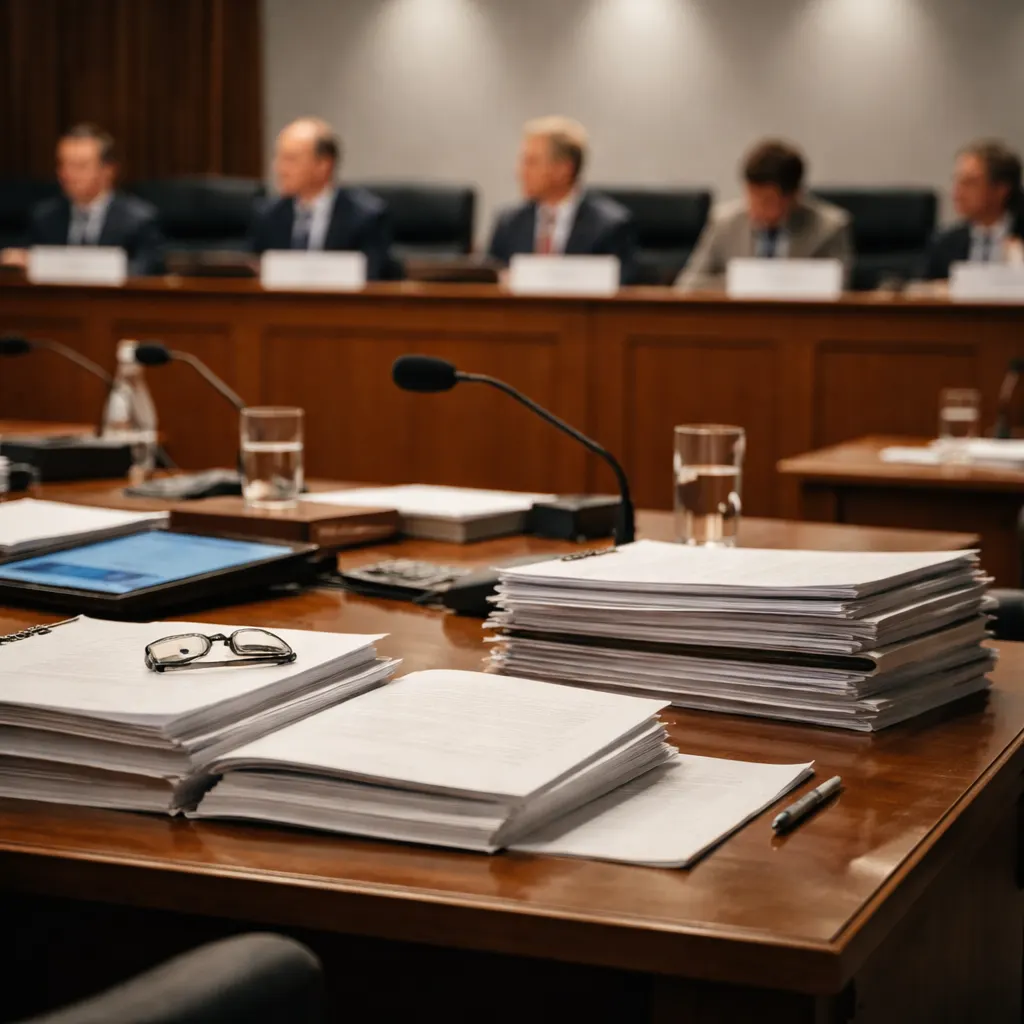
Tech giants and state officials clashed over how to pay for transmission upgrades driven by data center growth at a Virginia State Corporation Commission hearing this week. Dominion Energy wants to recover around $1.5 billion in transmission costs through its Rider T-1 charge, which the utility originally estimated would raise the average residential bill by $2.90 a month but later revised down to $0.94 a month based on updated forecasting. The hearing centers on whether data center operators should shoulder more of the infrastructure burden or whether costs should be spread across all ratepayers.
Governor Abigail Spanberger's office pushed for three solutions: a "but for" cost causation standard, requiring transmission-level contributions in aid of construction (CIAC) payments from data centers, and transitioning to a summer/winter peak and average cost allocation method. Google's attorney Will Cleveland countered that Dominion only recently completed its shift to a 12 coincident peak demands allocation factor, and its new GS-5 rate class for large loads hasn't yet gone into full effect. Amazon witness Cameron Brooks also requested the adoption of voluntary CIAC payments "as a way to reduce ratepayer burden," while Loudoun County — where the bulk of Virginia's data centers are being developed — testified that "the stakes are particularly high" and requested cost recovery include direct allocation and CIAC payments for upgrades caused by interconnecting large load customers.
An SCC attorney testifying on behalf of commission staff said that "regardless of the cost allocation methodology that is chosen, there remains a glaring cross-class subsidization occurring to the benefit of new GS-5 customers." He noted that Google, Amazon, Microsoft and Meta signed a ratepayer protection pledge at the White House in March, adding that "curiously, none of those companies mentioned this pledge in either pre-filed testimony or opening statements." John Farmer from the Virginia Attorney General's Office said the consumer council "generally supports direct assignment conceptually when it is possible to identify a cost causer" and believes "the situations in which we may be able to identify a specific cost causer are growing," though he cautioned that uncertainties around direct assignment of transmission costs "may warrant additional analysis."
The debate reflects competing pressures as Virginia's data center boom strains the electric grid. Michael Goggin of Grid Strategies, testifying on behalf of Appalachian Voices, argued that concerns about stranded asset risk — what Brooks called the "socialization of speculative investment" from data center developers — is driving advocacy for CIAC payments and direct cost assignment. But Goggin said Dominion is "still far too reliant on supplemental projects" and needs to use the PJM regional competitive transmission planning process for the bulk of its transmission investment to reduce costs for all ratepayers. The SCC must issue a decision by Aug. 1, with billions in infrastructure costs and the future of Virginia's data center industry hanging in the balance.