
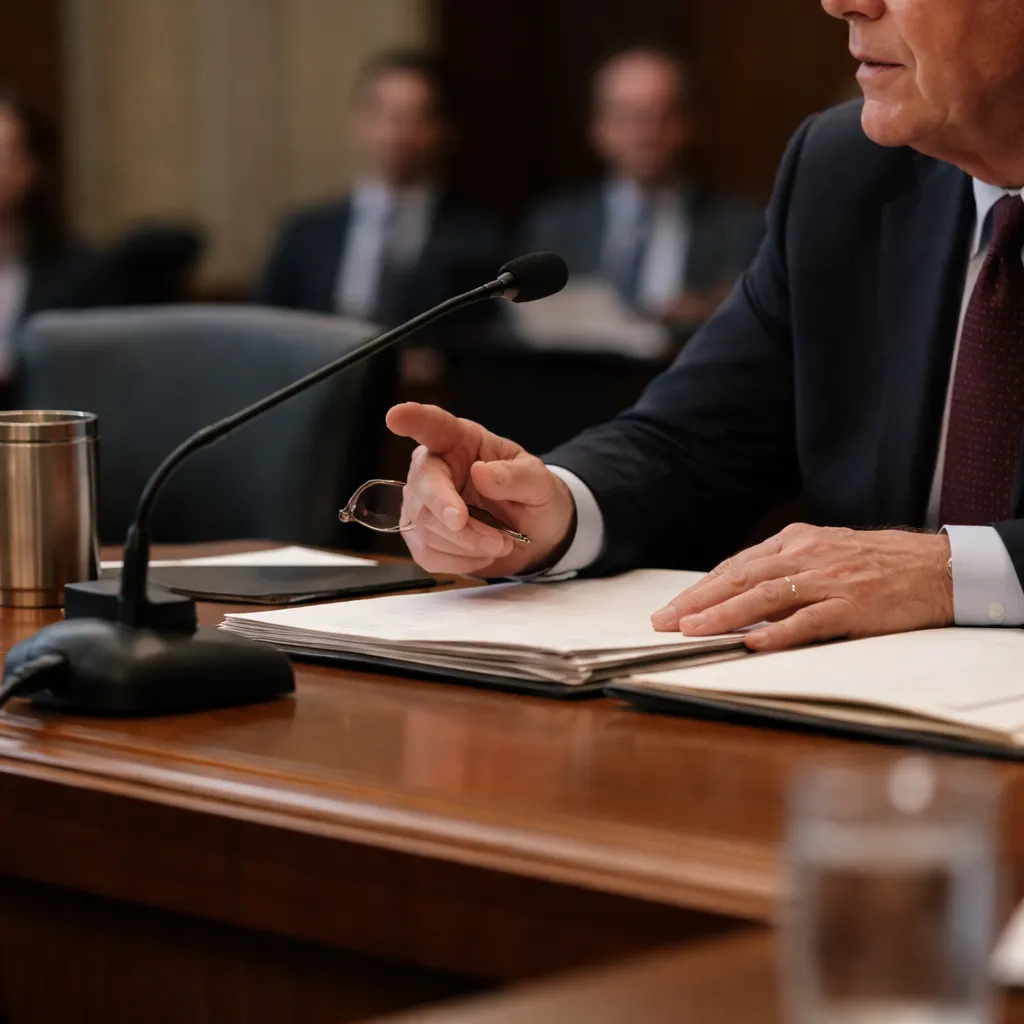
Sen. Angus King, I-Maine, is calling on federal regulators to reject the planned $67 billion merger between NextEra Energy and Dominion Energy, arguing that NextEra has a "documented record" of anticompetitive behavior that harmed New England consumers. In a letter released Monday by the Federal Energy Regulatory Commission, King said the deal would create the largest electric utility in the United States, concentrating an unprecedented mix of generation and transmission assets in a single company that has already shown it will suppress competition to protect its profits.
The proposed merger would give the combined company about 110 GW of generation capacity and 10 million utility accounts across Florida, Virginia, North Carolina, and South Carolina. NextEra is based in Juno Beach, Florida, while Dominion is headquartered in Richmond, Virginia. The companies announced the deal in mid-May and expect it to close in the second half of next year, pending approval from FERC, the Virginia State Corporation Commission, the North Carolina Utilities Commission, and the Public Service Commission of South Carolina. As part of the deal, the companies have proposed $2.25 billion in bill credits.
King pointed to NextEra's campaign to kill the New England Clean Energy Connect project as evidence the merger would harm ratepayers. NextEra spent $20 million leading an effort with independent power producers Vistra and Calpine to support a 2021 ballot initiative in Maine that would have effectively blocked the 1.2-GW NECEC transmission line, which was planned to import power from Hydro-Québec into New England. NextEra funded Alpine Initiatives and Stop the Corridor, which were fined $210,000 by the Maine Ethics Commission for concealing NextEra's role in opposing the project. NextEra also refused on "commercially unreasonable grounds" to upgrade a circuit at its Seabrook nuclear plant in New Hampshire that was needed to connect the NECEC line to southern New England. King described these actions as "a sustained, multi-year, multi-vehicle campaign by a merchant generator to use political spending, dark-money intermediaries, and its position over interconnection facilities to deny a competing low-cost resource access to the market."
The senator's concerns center on how NextEra used its market position to block a project that would have lowered electricity prices across New England. The NECEC line was designed to import hydropower that could suppress energy and capacity prices in the region, which would have cut into NextEra's merchant generation revenues. King argued that NextEra's willingness to spend millions and use regulatory leverage to delay the project shows exactly how the combined company would behave with even more market power. He said three features of the deal deserve close scrutiny: the high concentration of merchant generation alongside rate-regulated power supplies, which creates incentives to favor higher-priced merchant output and delay competing resources; control over transmission assets that could be used to block competitors, as the Seabrook case demonstrated; and the risk that these anticompetitive behaviors could extend into the PJM Interconnection market. King also noted that NextEra recently agreed to pay $150 million to settle shareholder allegations that the company lied about its involvement in political interference schemes in Florida, calling this "direct evidence of how this applicant exercises market power when given the opportunity."
King argued that the proposed $2.25 billion in bill credits can't fix the structural problems the merger would create. "Customer credits in the regulated footprint cannot remedy market manipulation risk in the merchant footprint," he wrote, insisting they shouldn't be treated as a mitigation for competition concerns. The NECEC line that NextEra fought so hard to stop finally started commercial operations in January, but King said New England ratepayers already paid the price in delay costs, foregone price suppression, and winter reliability margins. His message to FERC is clear: NextEra's track record proves this merger would give one company too much power to manipulate markets and block competition at consumers' expense.