
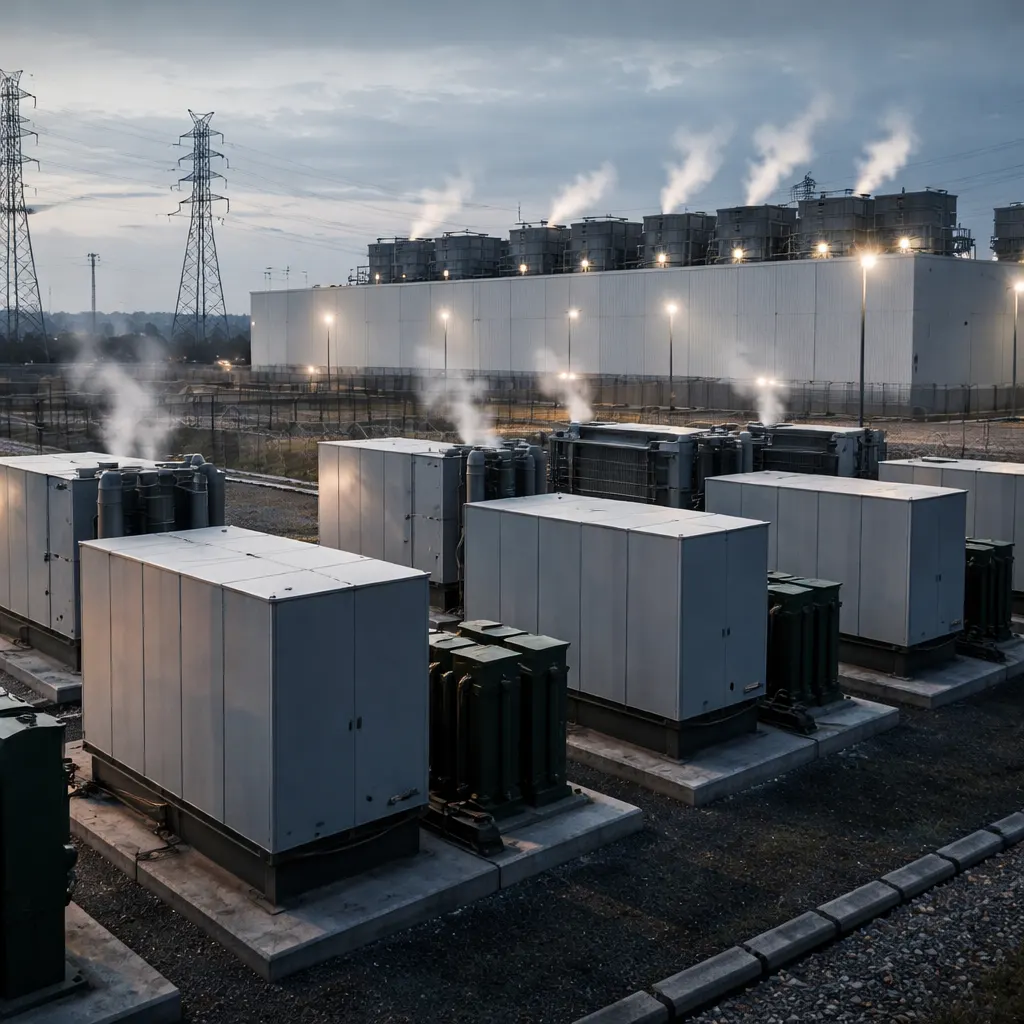
PJM Interconnection stakeholders approved a two-part reliability backstop procurement plan on Tuesday to help supply data centers with electricity and address an expected power supply shortfall in two years. The plan, developed by the Data Center Coalition and a group of 10 utilities including Dominion Energy, Duke Energy, and Exelon, will move to the PJM board for final drafting before submission to federal regulators this month. The grid operator manages electricity across 13 Mid-Atlantic and Midwestern states and the District of Columbia.
Under the approved plan, utilities and other load-serving entities — and potentially data centers themselves — would ask PJM to buy a specific amount of capacity in a one-time auction. Load-serving entities would then bill large loads for the procurement. The entire procurement's average cost would be capped at $555 per megawatt-day. PJM plans to hold the backstop procurement in September and expects to finalize commitments before it holds a capacity auction for the 2029/30 delivery year on December 9. The plan includes both a registry-based subscription model and a bilateral contracting phase.
The procurement plan addresses concerns about potential over-procurement, cost allocation and cost-shifting, according to the Data Center Coalition. Tom Rutigliano, senior advocate for climate and energy at the Natural Resources Defense Council, said in a statement that "the approved proposal for the Reliability Backstop Procurement ensures that the public will not be stuck with the bill to build new power plants for data centers." He added that the plan directs PJM to focus on new supply located close to data centers instead of building transmission lines to move power from distant fossil-fueled power plants. While stakeholders couldn't reach consensus on a "connect and manage" framework for data centers, most appeared to support a revised proposal from PJM staff that would create a large load registry giving state regulators critical data to set their own load-reduction priorities.
The stakeholder action is part of PJM's broader effort to prevent electricity supply shortfalls later this decade driven by a combination of power plant retirements, a lack of new generating resources, and rising demand from data center development. Earlier this year, PJM created "critical issue fast path" stakeholder groups specifically to consider options for a one-time procurement process outside the grid operator's regular capacity auctions. The revised connect-and-manage proposal suggests PJM would partner with state-led programs by using the registry as an informational and operational tool during stressed system conditions, rather than directly curtailing data centers as originally proposed. The PJM board plans to issue a letter to members detailing its final plans before filing the proposals at the Federal Energy Regulatory Commission.