
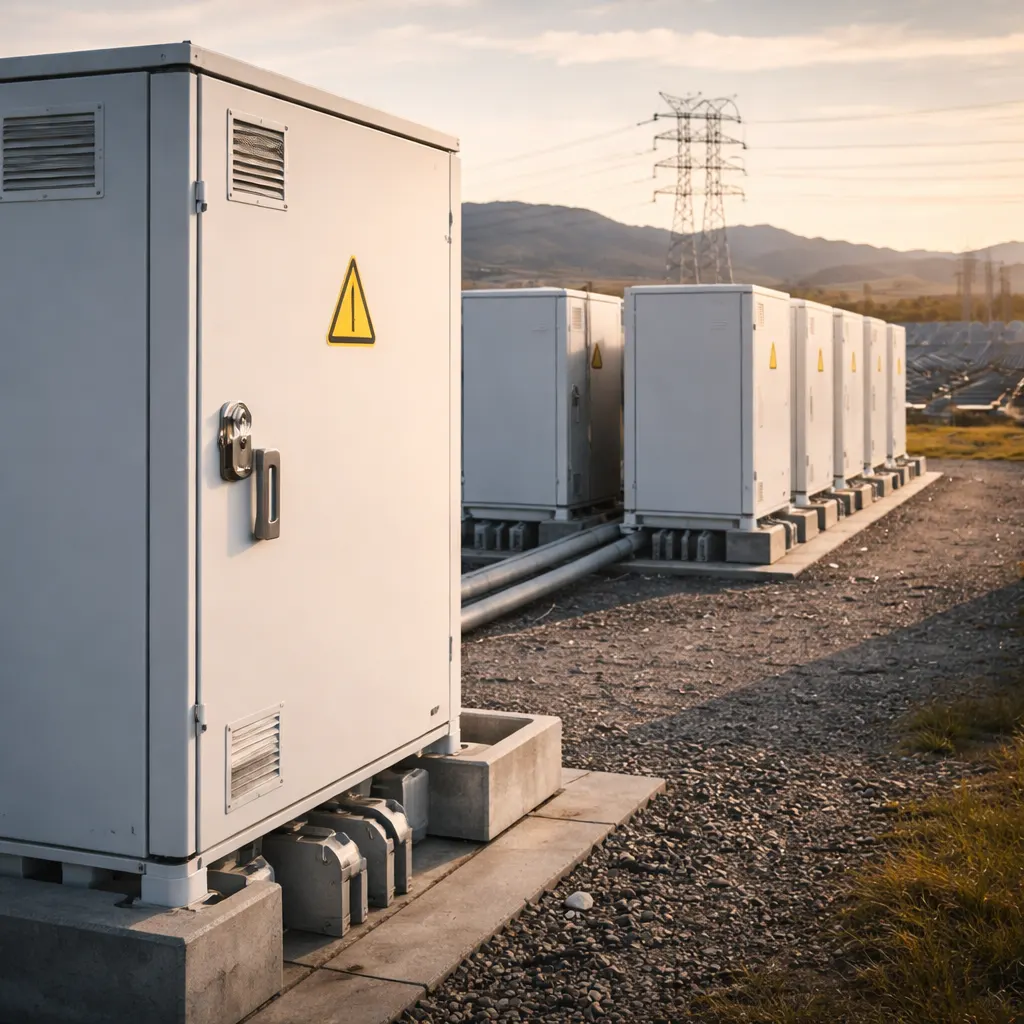
Nevada utility regulators approved a new payment framework for distributed energy resources earlier this month, but shut the door on third-party battery operators and aggregators who wanted access to those payments. The Public Utilities Commission of Nevada's Aug. 11 decision allows NV Energy to launch two performance-based credit programs that compensate customer-owned batteries, thermostats, and similar devices for providing power or reducing demand during peak periods. But by rejecting requests to let customers assign those payments to third-party companies, the commission "misses an opportunity to establish a broader market that could have expanded customer choice, encouraged innovation, and helped lower energy costs," according to advocates who participated in the regulatory proceeding.
Under the Energy Grid Services and Capacity Grid Services riders, resources located at customer sites would receive compensation for dispatched energy calculated on hourly market prices in NV Energy's service area and for load cuts based on avoided generation and transmission costs, the commission said. The tariffs will replace a demand response structure that's been in place for 15 years and position NV Energy—a Berkshire Hathaway Energy subsidiary serving most Nevadans through Nevada Power Company and Sierra Pacific Power Company—among U.S. utilities running or taking part in pay-for-performance virtual power plants. The Solar Energy Industries Association, Solar United Neighbors, and Advanced Energy United had pushed for modifications allowing customers to transfer performance payments to third-party owners, portfolio aggregators, and equipment makers. They also requested a digital platform for secure data sharing with third parties and a requirement that NV Energy include virtual power plants as a resource category in its next integrated resource plan.
NV Energy opposed all three requests, telling regulators that technological, commercial, and wholesale market obstacles made compensation assignment impractical in the near term. The utility argued a digital exchange platform wasn't needed to launch the proposed tariffs or load flexibility programs and wouldn't be especially relevant in Nevada's vertically integrated market, which prohibits retail electricity competition. On the virtual power plant resource type, NV Energy said advocates could raise that issue in an upcoming integrated resource plan process. The commission sided with the utility on each point, declining to mandate compensation assignment, open data sharing, or virtual power plant inclusion in resource planning due to "insufficient information to determine whether a VPP is a viable resource option for Nevada."
The decision will limit customer options and could slow adoption of batteries paired with rooftop solar in a state with relatively strong residential solar installation rates but weak battery attachment, Brian Turner, a senior director with Advanced Energy United, told Utility Dive. "Nevada is one of the sunniest states in the country, and it has pretty good solar deployment, but very low [battery] attachment rates … there's huge potential to add batteries to the system to get that attachment rate up and get dispatchable capacity into neighborhoods where it's needed," Turner said. The ability to assign payments has become particularly important for behind-the-meter battery adoption since the federal investment tax credit for customer-owned residential batteries expired at the end of 2025, he noted. Third-party providers that own and operate customer-sited storage systems have filled the gap to keep batteries affordable, partly through revenue from utility and market programs. Third-party aggregators also prove more reliable program participants than individual customers because they pool more distributed capacity than required to meet commitments, creating a cushion when customers drop out.
Turner pointed to Xcel Energy's Colorado subsidiary, another vertically integrated utility in a Western market, which recently launched an aggregator-based tariff for its Aggregated Virtual Power Plant program. "They did so because it gave them more certainty and visibility into the performance of the portfolio overall," he said. The commission spokesperson declined to comment beyond the order's text but noted the proceeding remains open at least until this week's deadline for parties to file reconsideration requests. Whether Nevada will reconsider its more restrictive approach—or watch as other states pull ahead in behind-the-meter battery deployment—now depends on whether advocates push back before that window closes.