
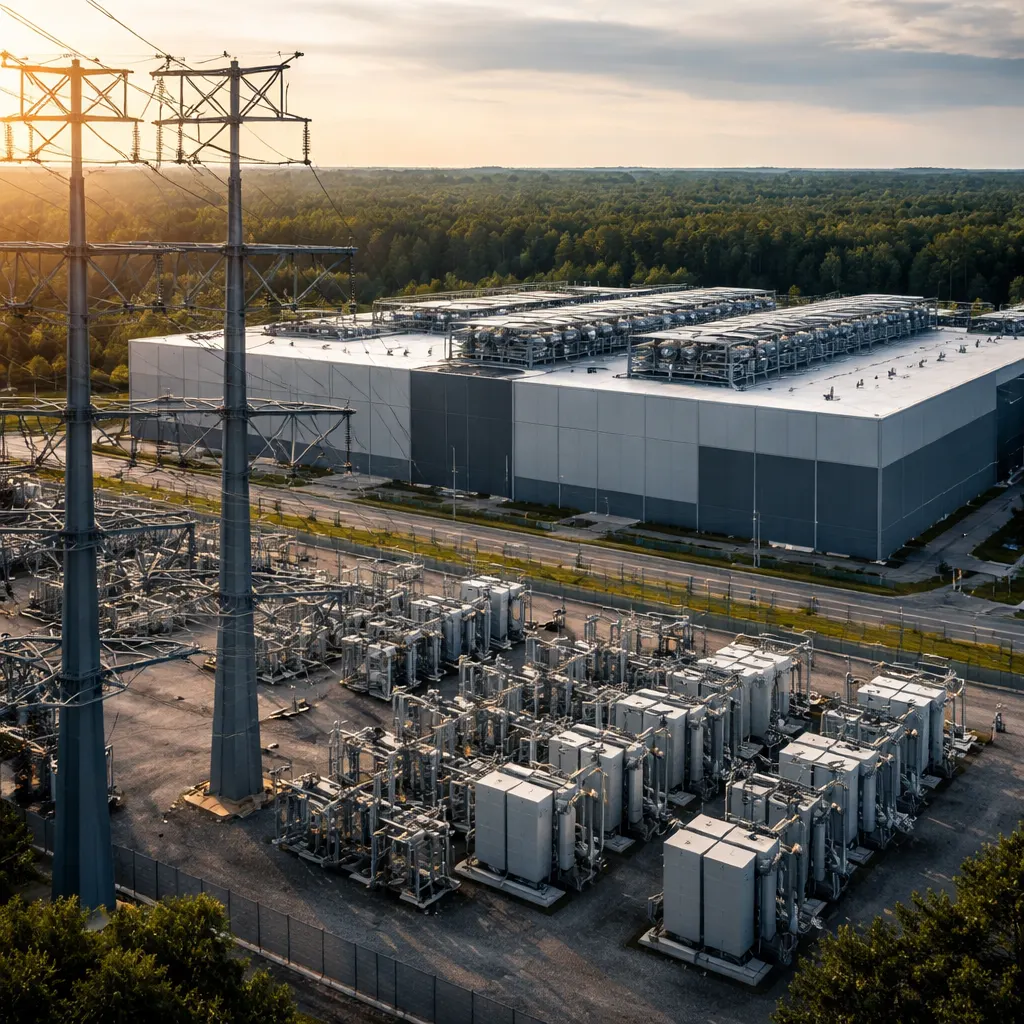
Microsoft filed a notice of appeal with the Virginia Supreme Court on Aug. 28 following a Virginia State Corporation Commission decision that ordered Dominion Energy to directly assign certain transmission costs to large-load facilities like data centers. The July 31 ruling requires Dominion to develop an amendment to its existing line extension policy mandating contributions for specific types of transmission facilities, according to a report by Utility Dive. While Microsoft hasn't formally appealed yet, a company spokesperson said the notice "preserves its ability to challenge" how the decision gets carried out.
The commission's decision centers on Dominion's proposed changes to Rider T-1, a line-item charge for recovering transmission investment costs. The SCC ruled in favor of mandatory contributions in aid of construction for "direct connect" facilities, which will cover expenses for substations and transmission lines linking those facilities to the grid. Under Virginia law, Microsoft has until late November to file a formal petition for appeal, which must come within four months of the SCC's final order. Dominion must submit its amended policy in a follow-on docket by October.
A Microsoft spokesperson told Utility Dive the company is "preserving its rights to ensure that any rates ultimately put in place are transparent, fair, and reflect the costs each customer creates." During the SCC hearing, Microsoft's attorney Cliona Robb raised concerns about whether affected customers would have adequate input, questioning "who's in the courtroom when this direct assignment decision is being made." Will Reisinger, who represented the Piedmont Environmental Council at the hearing, said it would be "somewhat odd" for someone to file a notice of appeal without actually intending to formally challenge the decision. Google's Hannah Coman, who participated in the case alongside Amazon and Meta, called the commission's order "thoughtful" and said Google advocated for direct interconnection costs to be payable by data centers and was comfortable making them mandatory.
Both Reisinger and the Piedmont Environmental Council's Michael Barber said they view the SCC's decision as legally sound, particularly given its narrow scope. Barber noted that when discussing a "but-for cost" — infrastructure that wouldn't exist without a specific customer — "I don't know how you could view that infrastructure as anything else. That stuff would never be built if not for that data center needing to go there." Coman emphasized the importance of clearly defining direct interconnection costs subject to mandatory contributions versus general network upgrades, calling for separate proceedings to address each category. If Microsoft does file a formal appeal and the Virginia Supreme Court rules in its favor, the court has authority to send the decision back to the commission with instructions to conduct additional proceedings.