
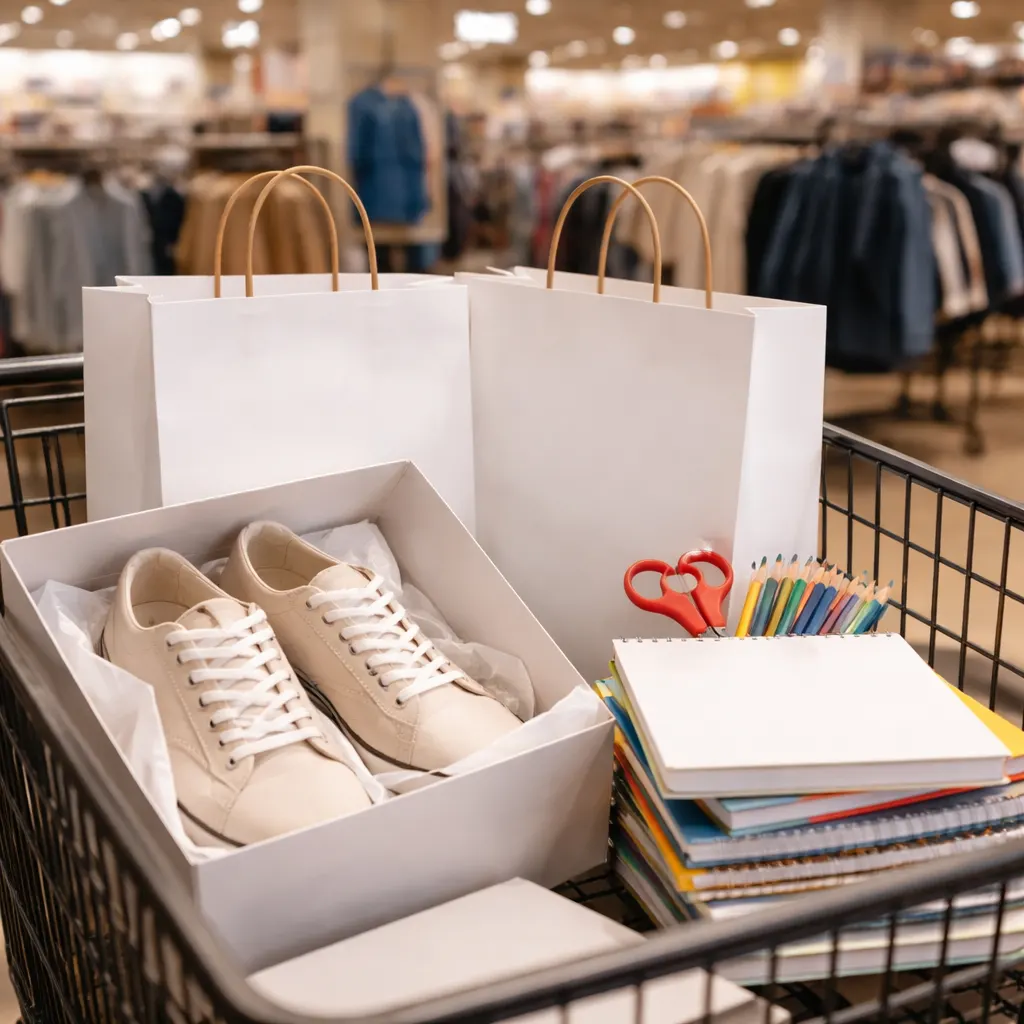
Twenty states held or will hold sales tax holidays in 2026, up from 19 last year, according to a new report from the Tax Foundation published this month. Illinois reinstated a holiday previously in effect in 2010 and 2022, while Alabama added a new sales tax holiday on SNAP-eligible food items to its existing severe weather preparedness and back-to-school holidays. The report finds that despite their political popularity, these temporary exemptions deliver little economic benefit while creating compliance headaches for businesses and often failing to help the low-income consumers they're meant to assist.
Sales tax holidays target a variety of consumer goods across the 20 participating states. Numerous states have exempted clothing during their holidays, while Maryland, Missouri, Texas, and Virginia have targeted energy-efficient appliances for temporary sales tax relief. Illinois's reinstated back-to-school holiday runs from August 7 through August 16, 2026, reducing the state's 6.25 percent sales tax rate on qualifying items to 1.25 percent. The legislation authorizing Illinois's holiday was signed into law on June 16, 2026, giving retailers less than two months to prepare for compliance.
The report finds that studies show much of the increased shopping during holidays is simply shopping consumers would have done at other times but moved to take advantage of discounts. "Since sales tax holidays shift the timing of demand but do little to increase its magnitude, sales tax holidays reduce state and local tax collections for little or no economic benefit," the authors write. States often schedule these holidays to exempt goods during peak demand periods—back-to-school products in August, hurricane supplies before storm season—meaning most revenue losses stem from transactions that would have happened anyway. According to the report, some research has suggested companies can absorb up to 20 percent of the benefit through price increases during these high-demand periods, blunting the savings for consumers with the lowest incomes.
The persistence of sales tax holidays points to deeper problems in state tax codes, the report argues. If policymakers believe suspending the sales tax for a single week can stimulate economic growth, they're implicitly acknowledging that the tax suppresses growth for the other 51 weeks of the year. The compliance costs fall hardest on small businesses, which struggle to handle induced spikes in demand, absorb spending slowdowns in surrounding weeks, and navigate the work of determining which products qualify for exemption on short notice. Sales tax holiday structures vary widely from state to state—different rules for shipping, handling, layaway sales, and rain check sales—and details sometimes aren't finalized until just weeks before the holidays begin. The report concludes that sales tax holidays "are an inefficient vehicle for providing tax relief or generating additional economic activity" and often end up hurting the taxpayers they intend to help.
The report recommends that states could better utilize any surplus revenues on more economically efficient tax reforms, particularly permanent rate reductions. Several states have already abandoned their sales tax holidays in recent years after recognizing these downfalls. But with 20 states offering them in 2026 and their continued electoral appeal to politicians, the report suggests sales tax holidays aren't disappearing anytime soon—even as they inject unnecessary instability into government and business revenue streams while failing to promote long-term economic growth.