
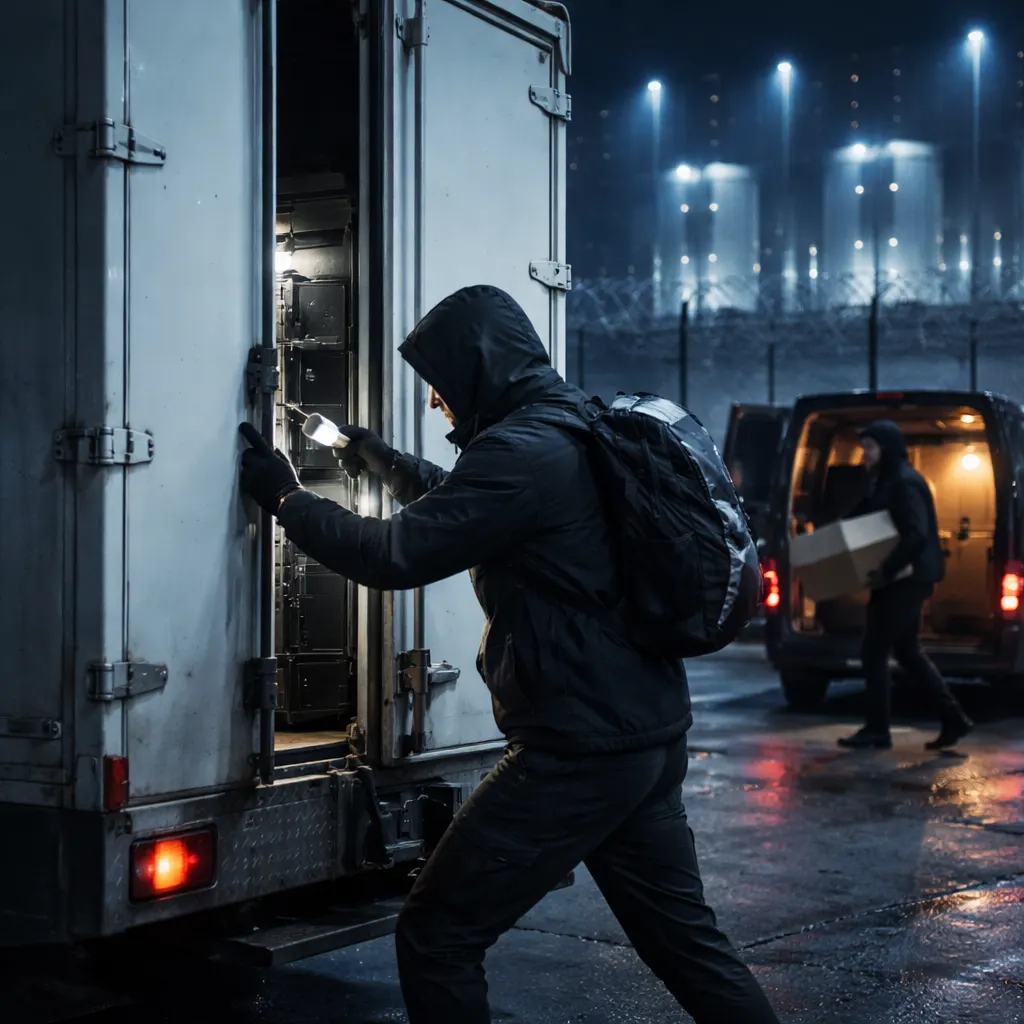
The rapid expansion of artificial intelligence infrastructure is creating a new class of high-value cargo targets, according to an analysis published Tuesday by FreightWaves. As technology companies invest billions of dollars into data centers and computing capacity, the supply chains supporting that growth are moving increasing quantities of copper, processors, networking equipment, and memory modules. The same characteristics that make these commodities essential to AI also make them attractive to cargo thieves: they're valuable, difficult to replace, and often traded globally.
Market researchers at S&P Global project that copper demand tied specifically to AI and data centers will more than double by 2040, increasing from 1.1 million metric tons in 2025 to 2.5 million metric tons, according to the FreightWaves report. Additional forecasts suggest overall copper demand could rise by 50% over the same period as artificial intelligence, robotics, and electrification reshape global supply chains. Technology companies are currently investing hundreds of billions of dollars into data centers and computing capacity, facilities that require enormous quantities of copper, processors, networking equipment, and memory modules.
The report finds that organized groups are increasingly using fictitious pickups, carrier impersonation, and fraudulent paperwork to insert themselves into legitimate freight transactions. The recent indictment of eight individuals accused of impersonating legitimate carriers across Pennsylvania, Virginia, and New Jersey offers one example of how these schemes operate. Prosecutors allege the group used stolen shipment information and fictitious pickups to steal nearly $5 million in freight, including copper and other commodities. The report emphasizes that "cargo thieves have consistently followed markets where value is concentrated," suggesting that as AI infrastructure attracts investment at its current pace, there's little reason to believe criminal organizations will ignore the opportunity.
The analysis acknowledges important caveats. Cargo theft involving AI infrastructure remains a small subset of overall cargo theft activity, with consumer electronics, food, and household goods continuing to account for a large share of reported incidents. The rise in AI-related theft could simply reflect the broader growth of data centers and the increased movement of expensive commodities rather than a deliberate shift in criminal strategy. Public reporting on cargo theft remains incomplete, and many thefts go unreported or are classified differently across jurisdictions. However, the report notes that cargo thieves have historically targeted goods that are expensive, difficult to replace, and easy to resell—a profile that artificial intelligence infrastructure components increasingly fit.
The report concludes that for shippers, carriers, and brokers, the rise of AI-related cargo theft could require a different approach to risk management. Verifying an authority and confirming insurance coverage may no longer be enough when high-value infrastructure is involved. Companies may need stronger identity verification, secure document delivery, authenticated pickups, and more robust audit trails showing who was verified, when, and how. The companies building the infrastructure for artificial intelligence are focused on the future, but transportation providers supporting that growth may need to spend equal time preparing for the threats that growth creates.