
A Philadelphia man was sentenced to 94 months in federal prison for his role in an organized cargo theft ring that stole more than $1.5 million in freight from interstate shipments between January and July 2023, according to a case report published by FreightWaves on June 25, 2026. The U.S. Attorney's Office for the Eastern District of Pennsylvania prosecuted Salahudin Reddy for conspiracy, theft from interstate shipments, and possession of stolen goods after investigators dismantled the crew. The case offers a rare window into how modern cargo theft rings operate in freight corridors, even as the industry focuses heavily on digital fraud schemes.
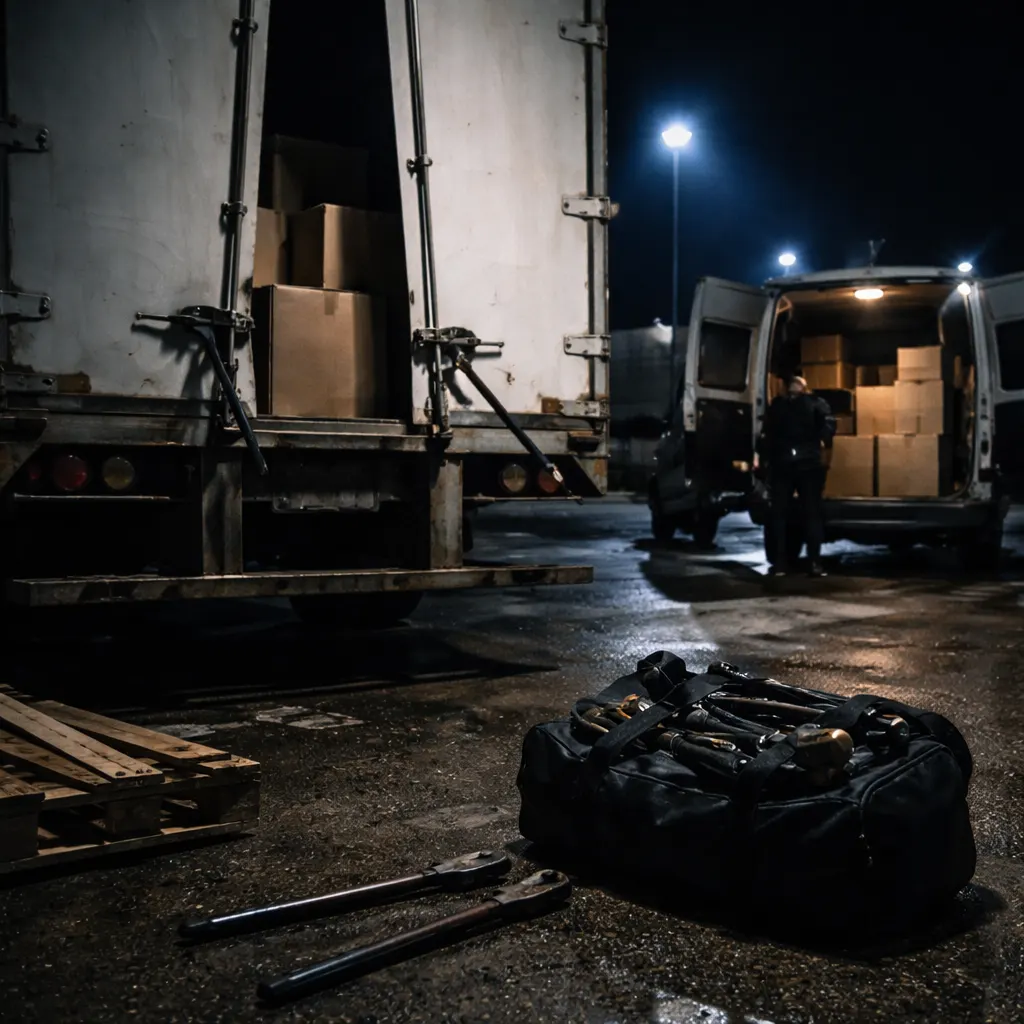
Federal prosecutors say Reddy's crew committed more than a dozen cargo thefts over seven months, targeting tractor-trailers parked throughout the Philadelphia area. The group waited until trailers were unattended or drivers were asleep before using bolt cutters to break in and remove freight, then sold the stolen cargo through contacts around Philadelphia. During just a few weeks in April 2023, the crew stole more than $1 million worth of cargo, including frozen snow crab legs, Samsung televisions, and more than $230,000 in newly minted U.S. dimes. One theft involved approximately 34,500 pounds of frozen snow crab legs taken from a trailer while the driver slept in the tractor—prosecutors say as many as 15 individuals in six or seven vehicles removed the entire shipment before police arrived. Another involved 103 Samsung 75-inch televisions stolen from a parked trailer and quickly sold through contacts identified in text messages.
The investigation relied heavily on digital evidence to reconstruct the conspiracy. Court documents describe investigators using cell-site location data, phone records, text messages, surveillance video, and GPS information to connect crew members to multiple thefts. Following the dime theft from a Philadelphia Mint shipment, one co-conspirator sent a message to a group chat stating, "We made it!" alongside a screenshot of social media coverage. Investigators recovered newly minted dimes from a box truck allegedly purchased by the crew, and bank surveillance captured one conspirator depositing thousands of stolen dimes after opening a new account. Text messages between crew members discussed prices, coordinated vehicles, requested bolt cutters, shared GPS locations, and arranged buyers for stolen cargo shortly after each theft.
The case highlights a threat that hasn't disappeared even as cargo fraud becomes more sophisticated. While identity-based schemes involving fictitious pickups and fraudulent carrier identities dominate industry headlines, organized crews continue searching for physically vulnerable freight parked at truck stops, warehouses, and staging locations. The FBI recently warned that organized cargo theft groups are increasingly combining traditional trailer burglaries with fraud schemes, meaning both forms of theft exist simultaneously. Prosecutors argued in their sentencing memorandum that the crew created fear for truck drivers while repeatedly enriching itself through stolen freight, and that Reddy fled from law enforcement multiple times before his FBI arrest. The common denominator across all cargo theft methods remains opportunity—criminals exploit weaknesses in the supply chain, whether that's a stolen carrier identity or an unattended trailer, to make freight disappear before anyone realizes it's gone.