
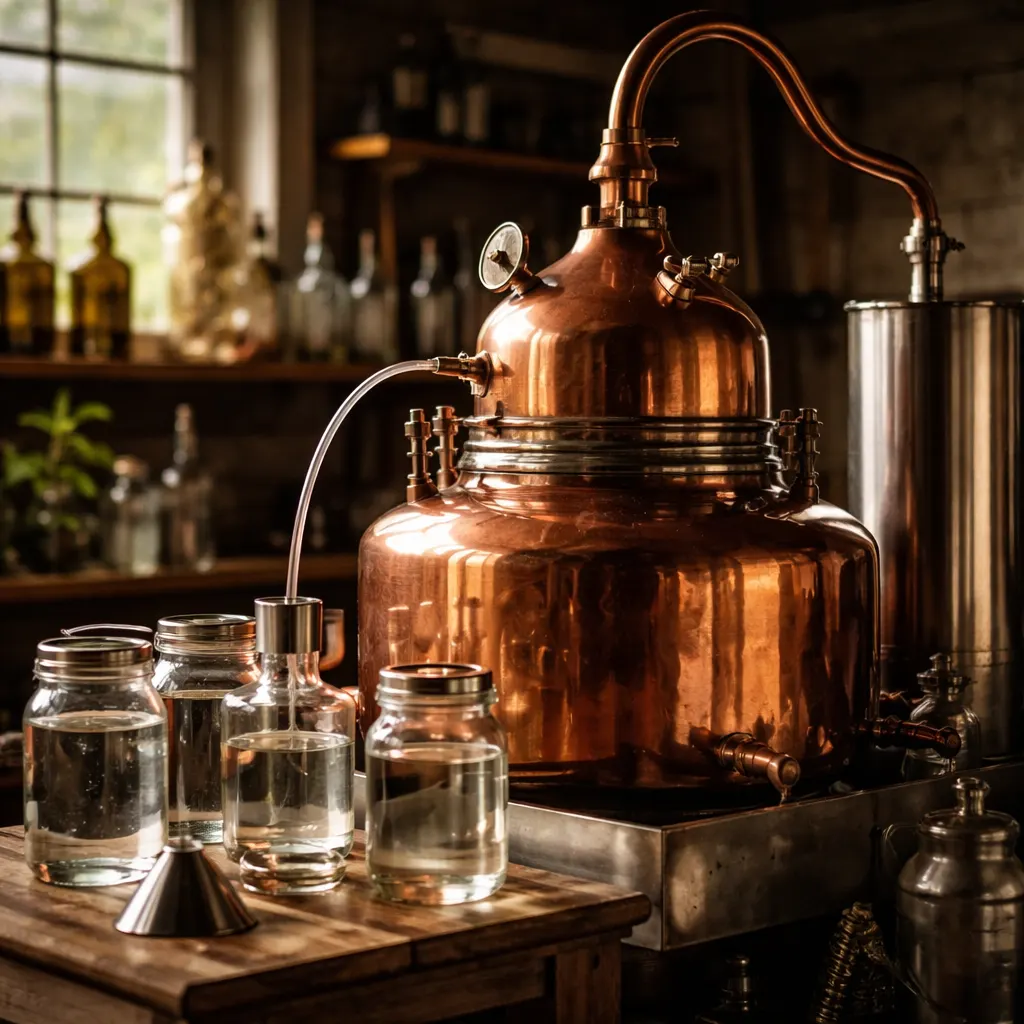
The Supreme Court is likely to decide whether Americans can legally distill their own whiskey and other spirits at home, potentially ending a federal prohibition that's been in place since 1866, according to an analysis published by The Buckeye Institute. The case centers on Ohio engineer John Ream, who brews beer and makes wine at home but is barred from distilling spirits, and could force the court to reconsider how far federal power can reach into private homes. Two federal appeals courts have issued conflicting rulings on the ban's constitutionality, making Supreme Court intervention likely when the justices return in October.
The legal dispute emerged after the Cincinnati-based 6th U.S. Circuit Court of Appeals upheld the ban in April, while the Louisiana-based 5th Circuit ruled it unconstitutional in the same month. Currently, home distillers face fines of $10,000 for every batch and up to five years in prison. Congress enacted the prohibition in 1866 and 1868 after massive tax evasion on distilled spirits — before the ban, at least seven-eighths of all spirits produced in the country went untaxed, according to government records. Today, the tax on distilled spirits generates billions of dollars annually. By contrast, Congress legalized home brewing of beer in 1978, sparking an explosion of craft breweries after home brewers demonstrated the appeal of diverse beer styles beyond the light lagers that dominated the market.
The 6th Circuit said the ban remains valid under the Constitution's "necessary and proper" clause, concluding it was needed to collect taxes when passed "and we have no reason to conclude otherwise now." The 5th Circuit disagreed, arguing the prohibition isn't necessary for tax collection because it actually reduces revenue by banning the conduct the government wants to tax. Andrew Grossman, representing the challengers, contends the ban was "an early flash of the temperance movement" aimed more at morality than tax enforcement, noting that large commercial distillers, not home producers, drove tax evasion through bribing collectors. The 5th Circuit warned that if home distilling can be prohibited, Congress could ban any home-based business through its taxing power, suggesting "remote work may be deemed a crime."
Conservative legal groups supporting the challenge hope the case will broadly restrict federal authority over private conduct, with The Buckeye Institute asking the court to revisit a 2005 ruling that affirmed Congress's power to regulate interstate commerce by seizing marijuana plants grown for personal use under state law. University of Chicago constitutional law professor Alison LaCroix noted the case "seems in some ways like it is a narrow issue, but it has this tremendously important potential sweep," potentially affecting many activities Congress has regulated for decades. The Justice Department maintains that Congress only prohibited home stills after years of failed attempts to collect the spirits tax, and that the 5th Circuit ignored the specific history of tax evasion tied to distilled liquor. If the court takes the case and strikes down the ban, supporters predict it could trigger innovation in hard liquor similar to the craft beer revolution that followed home brewing legalization nearly 50 years ago.