
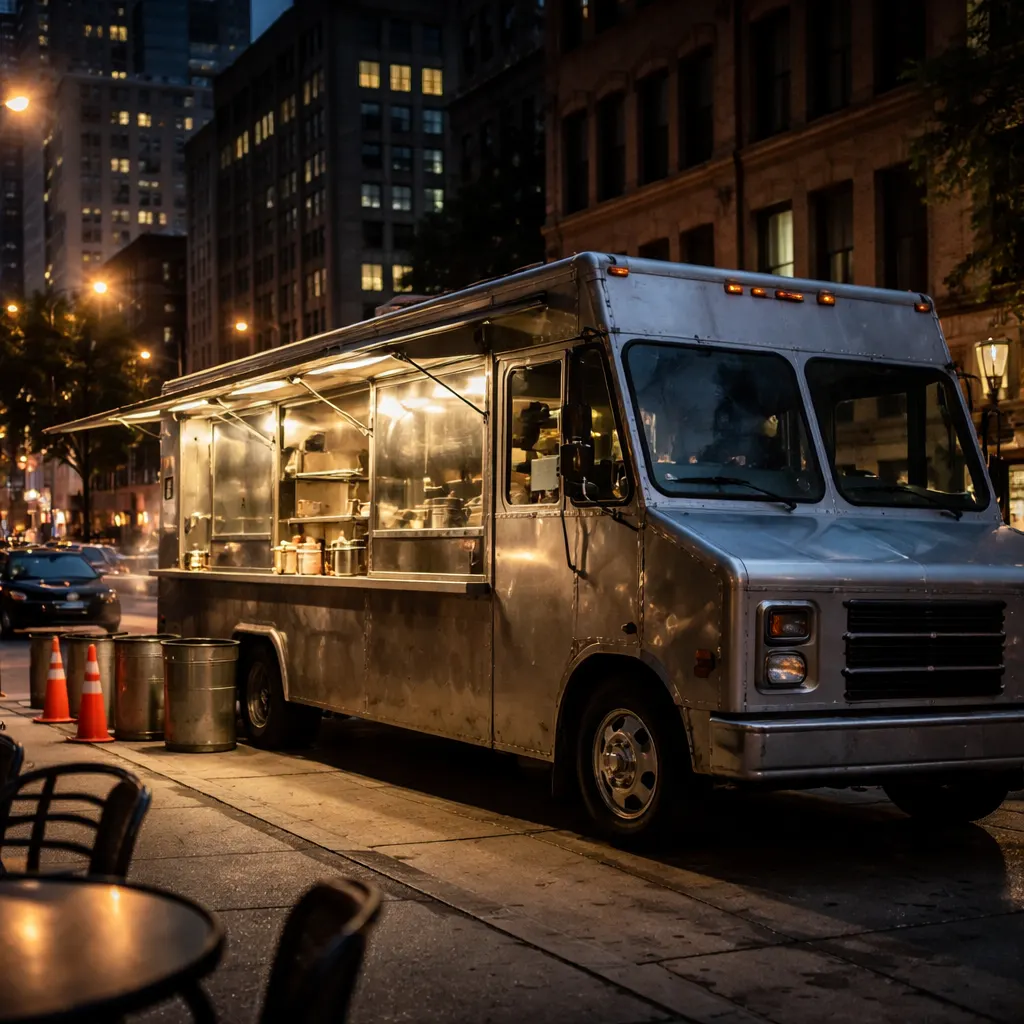
A Milwaukee County judge has blocked the city's new ordinance that would have forced food trucks to close at 10 p.m., ruling Monday that Milwaukee offered no evidence linking food trucks to street violence. The injunction keeps food trucks operating along popular entertainment strips like Water Street until at least 1 a.m. while the lawsuit challenging the ordinance moves through the courts. The decision represents a significant setback for Milwaukee officials who argued the earlier closing time was necessary to prevent large crowds, fights, and violence in the city's bar districts.
Milwaukee leaders justified the 10 p.m. curfew as a public safety measure aimed at controlling crowds and reducing criminal activity in entertainment areas during late-night hours. The city claimed that limiting food truck hours would discourage people from congregating in areas prone to violence between 10 p.m. and 1 a.m. But the judge found the city's case entirely lacking in proof. "The City offered no proof—just naked conclusions––that curtailing the hours of operation by food trucks will reduce, or deter, or un-motivate the movement of crowds of people into the entertainment areas during the 10:00 p.m. to 1:00 a.m. timeframe," the judge wrote. The court noted Milwaukee presented no evidence that food trucks act as "some kind of or sort of magnet to the underage drinking individuals and sometimes under-curfew-age individuals that engage in violent acts."
The Wisconsin Institute for Law and Liberty, which filed the lawsuit on behalf of food truck operators, called the ruling a victory for small business owners unfairly targeted by the city's crime-fighting efforts. "This ordinance was unlawful and should serve as a warning to local governments that they are not above the law," said WILL attorney Kirsten Atanasoff. She argued that Milwaukee's attempt to blame small business owners for violent crime "made no sense" and that food truck operators "work hard to serve their communities and earn an honest living, and have every right to operate, just as brick-and-mortar restaurants do."
The judge's decision exposes a fundamental flaw in Milwaukee's strategy: trying to control crime by restricting legitimate businesses rather than addressing the underlying criminal behavior itself. Without any data showing food trucks contribute to violence—or that closing them early would reduce it—the ordinance essentially scapegoated mobile vendors for problems the city hasn't solved through traditional law enforcement. The injunction isn't a final ruling, meaning Milwaukee could still defend the ordinance as the case proceeds, but the city will need to produce actual evidence rather than assumptions if it hopes to prevail. For now, food truck owners can continue serving late-night customers, and Milwaukee faces pressure to find real solutions to its street crime problem instead of shutting down the small businesses caught in the middle.