
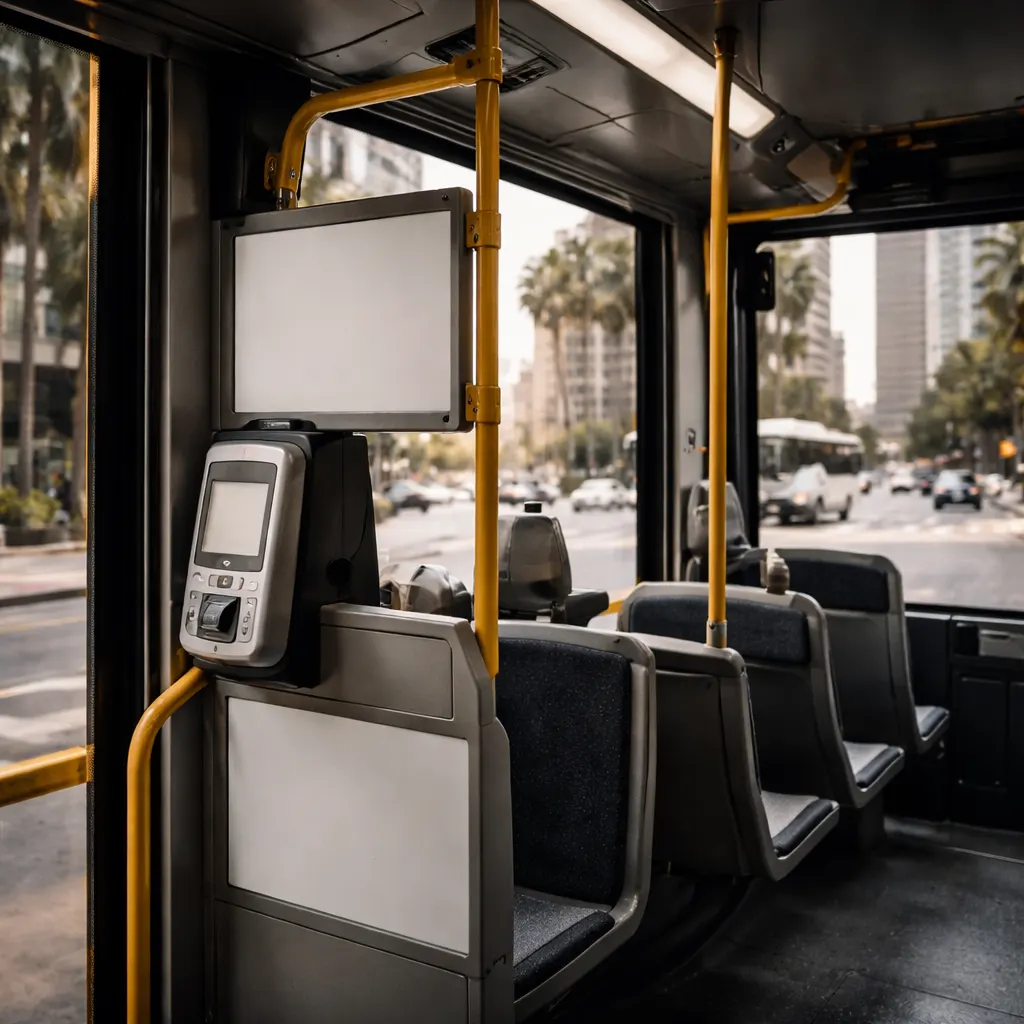
Los Angeles Mayor Karen Bass's plan to eliminate fares on the city's Metro system would cost $1.1 billion annually, according to a report published by the Pacific Research Institute on October 2, 2026. The analysis argues that LA should abandon the idea of fare-free transit, pointing to recent experiments in other cities and Metro's own troubling experience with lax fare enforcement as evidence that eliminating fares sacrifices both revenue and safety.
Metro's fare collection has already collapsed in recent years, offering a preview of what zero-fare transit might bring. The system's farebox recovery ratio dropped from 14.6% before the pandemic in 2019 to just 4.8% in fiscal year 2022, according to data cited in the report. Fare checks plummeted even more dramatically, falling from hundreds of thousands each month in 2018 to an average of 5,000 monthly in 2025. Though enforcement rebounded somewhat to about 20,000 checks in May 2026, the numbers remain far below historical levels. A 2024 USC survey found that 84% of LA residents consider riding Metro trains unsafe currently, up from 76% before the pandemic. Metro staff assessed various fare-free options in 2021 and explicitly advised against a universal system, calculating the $1.1 billion annual price tag for the agency and local transit partners.
The volunteer group Enforce the Fares contends that declining fare collection brought crime and disorder to the system. The report notes that according to Enforce the Fares, regular riders "find themselves on a vehicle filled with the smell of urine and feces at least once a week," a problem stemming from people experiencing severe mental illness and substance abuse crises. The group estimates that simply maintaining fares and adjusting them for inflation would generate enough revenue to boost bus service by 13% to 15% or bring back frequent train service after dark. Kansas City, Missouri ended its six-year free bus experiment this year amid financial and service pressures, with bus drivers reporting that riders used vehicles as shelters and safety deteriorated even as overall crime declined.
The debate comes down to tradeoffs between access and system quality, the report argues. While eliminating fares can attract more riders, it means giving up revenue that could fund improvements and expansion. Even progressive leaders elsewhere have stepped back from universal free transit: Seattle Mayor Katie Wilson has taken a more measured approach of expanding service and targeting aid to low-income riders, while New York Mayor Zohran Mamdani has struggled to deliver on his campaign promise of free buses despite making progress on service expansion. The report closes by flipping an old saying: "If you think transit is expensive now, wait until you see what it costs when it's free."