
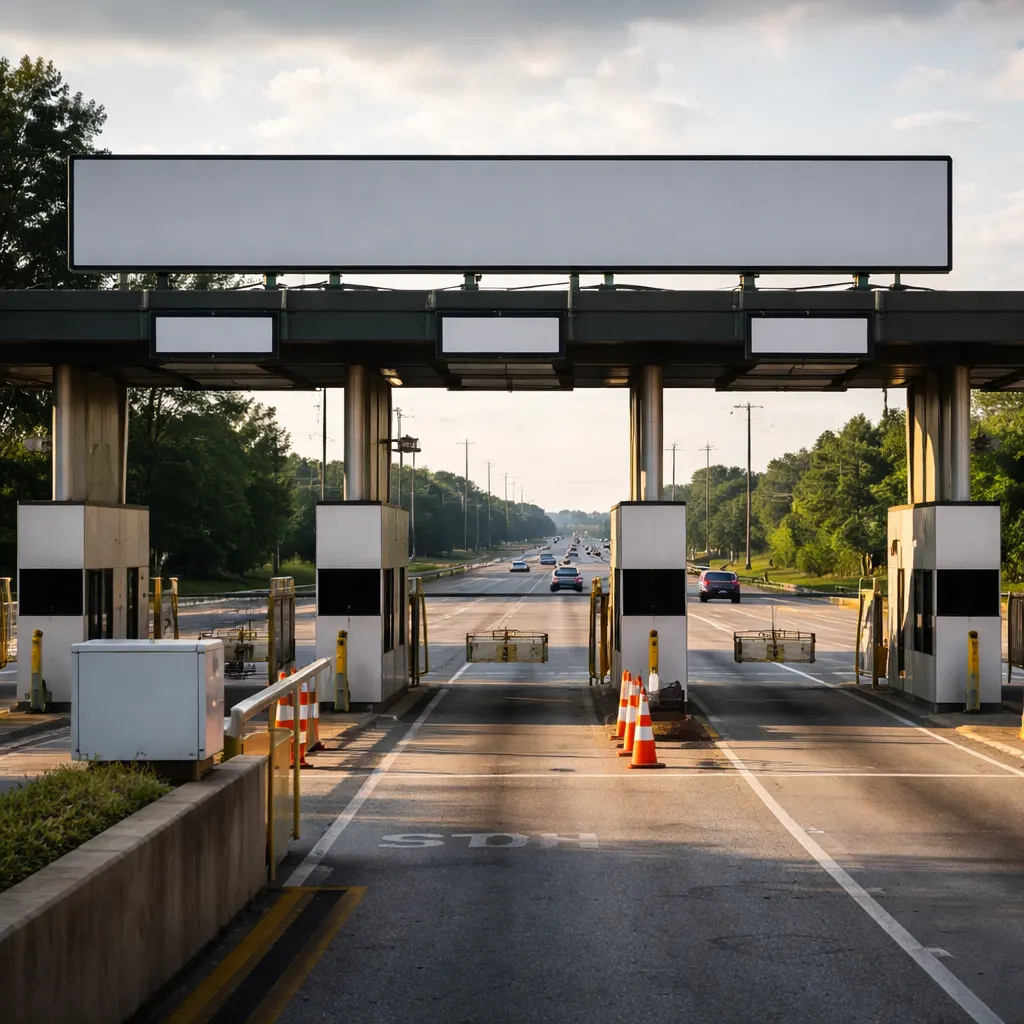
Public opposition to a proposed Illinois Tollway rate increase is overwhelming, according to data obtained by the Illinois Policy Institute through a Freedom of Information Act request. Of nearly 13,750 online comments submitted between June 18 and Aug. 3, roughly 10,500 opposed the plan, while about 2,250 supported it and 1,000 remained neutral. The tollway board is scheduled to vote on what could become the state's largest passenger toll hike in history at its Aug. 19 meeting.
The proposal would raise passenger fees by 57%, adding $225 annually in 2027 for a commuter passing through two tolls daily for 50 weeks, according to the institute's analysis. Commercial vehicles would face a 30% increase, potentially raising prices for consumer goods moving through Northern Illinois. Beginning in 2029, automatic inflation-adjusted increases would take effect every two years without requiring additional board approval. The tollway says the revenue would support a $26.5 billion, 15-year capital plan. Among commenters who opposed the hike, 91% listed affordability as a top priority, 67% cited well-maintained roads, and 51% highlighted the need for less traffic.
The report notes that the tollway system already generates substantial revenue beyond its operational needs. In 2025, the system brought in $1.75 billion in tolls, exceeding its maintenance and operations spending by $1.3 billion. Two members of the tollway board—Jim Connolly and Jim Sweeney—represent labor unions whose members would be employed and compensated with funds from the toll increases, according to the institute.
The proposed rate hike emerged from a political agreement between Gov. J.B. Pritzker and labor unions to secure backing for a 2025 bailout of Chicago-area mass transit systems, the report explains. The Regional Transportation Authority, which manages the Chicago Transit Authority, Metra, and Pace, was confronting a deficit exceeding $200 million that would have grown to nearly $1 billion by 2028. Illinois lawmakers proposed shifting almost $1.1 billion from the state Road Fund—designated for road and bridge improvements—to the RTA. When labor unions objected that the diverted funds would mean less infrastructure spending and fewer jobs, Pritzker and Democratic legislative leaders struck a deal authorizing the tollway to increase rates in return for union support. The board includes 10 members, with Gov. Pritzker and Illinois Secretary of Transportation Gia Biagi serving as ex-officio members.
The institute argues that drivers want both affordability and properly maintained roads, and the tollway should honor this dual expectation by rejecting the increase rather than making commuters bear the cost of political bargaining. Though the public comment period has ended, the report notes that residents can still contact board members and the governor to voice opposition before the Aug. 19 vote.