
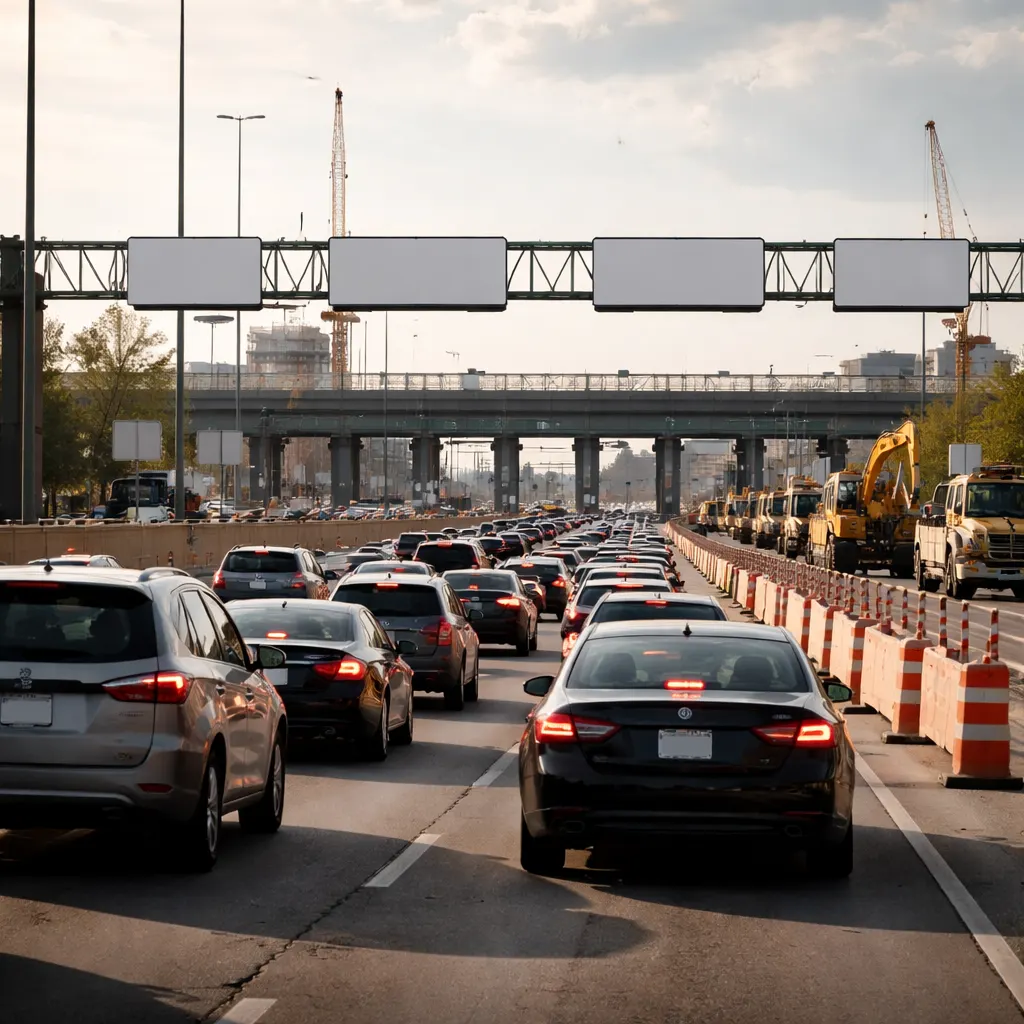
Illinois drivers have less than two weeks to comment on a $26.5 billion capital plan that includes the state's largest passenger toll increase ever, according to a report published in July 2026 by the Illinois Policy Institute. The plan would trigger up to 15 years of additional construction and traffic delays across the state's tollway system. Public meetings end July 24, with online comments accepted until noon Aug. 3, and the Tollway Board could approve the hike as soon as Aug. 19.
The Driving Connections plan, announced in June, would fund projects on the Illinois Tollway system through 2042. Starting Jan. 1, passenger drivers would pay roughly 45 cents more per toll, while commercial drivers would see a 30% increase. For a commuter passing through two tolls daily for 50 weeks, the passenger hike would add an extra $225 in 2027. The plan also includes automatic inflation-linked increases every two years beginning in 2029. The $26.5 billion would fund road-widening, reconstruction, bridge work and congestion relief across interstates 355, 88, 294, 80, 94, 90 and the Route 390/I-490 O'Hare-area projects.
Former Tollway board member and state Sen. Bill Morris told the Daily Herald that "it appears they decided to raise tolls, and then they threw this together quickly for justification," the report notes. Gov. J.B. Pritzker signed off on the proposed toll hikes six months before the plan was released, according to the report. Tollway revenues are at record highs — since 1973, the year the system was supposed to become free to drivers, the agency has collected more than $22 billion above what it needed for maintenance and other non-capital expenses. Illinois also spent $90,400 per lane-mile in 2023 on state-owned roads, about $16,700 more than the Reason Foundation's model calculated it should have cost.
The proposed toll hike is connected to politics surrounding last year's mass-transit bailout, the report explains. Lawmakers redirected roughly $1 billion annually from the Road Fund toward Chicago-area public transportation, a shift that construction unions opposed because it meant losing road funding. The toll increase became the cost of securing labor union support — House Speaker Chris Welch said unions wanted something to point to that would "help keep working people working and keep roads getting repaired." Pritzker appoints the tollway board, and two of its members hold leadership positions in construction unions. The state is already collecting more money for transportation than it's spending on roads: Road Fund revenue grew an average of 14% annually under Rebuild Illinois, while spending grew just 5% per year, largely due to automatic increase mechanisms — the same approach now proposed for tolls.
The public-comment period represents the opportunity for drivers to demand clear answers about why the agency needs more money, where existing record-high revenue has gone and which projects truly require raising travel costs for Illinois residents, the report concludes. Many toll roads have already experienced extended construction periods — I-294 remains tied up in Central Tri-State work, I-90 was modernized during the previous capital plan and Route 390/I-490 work has continued for years. Drivers now face the prospect of paying more while navigating 15 additional years of construction delays.