
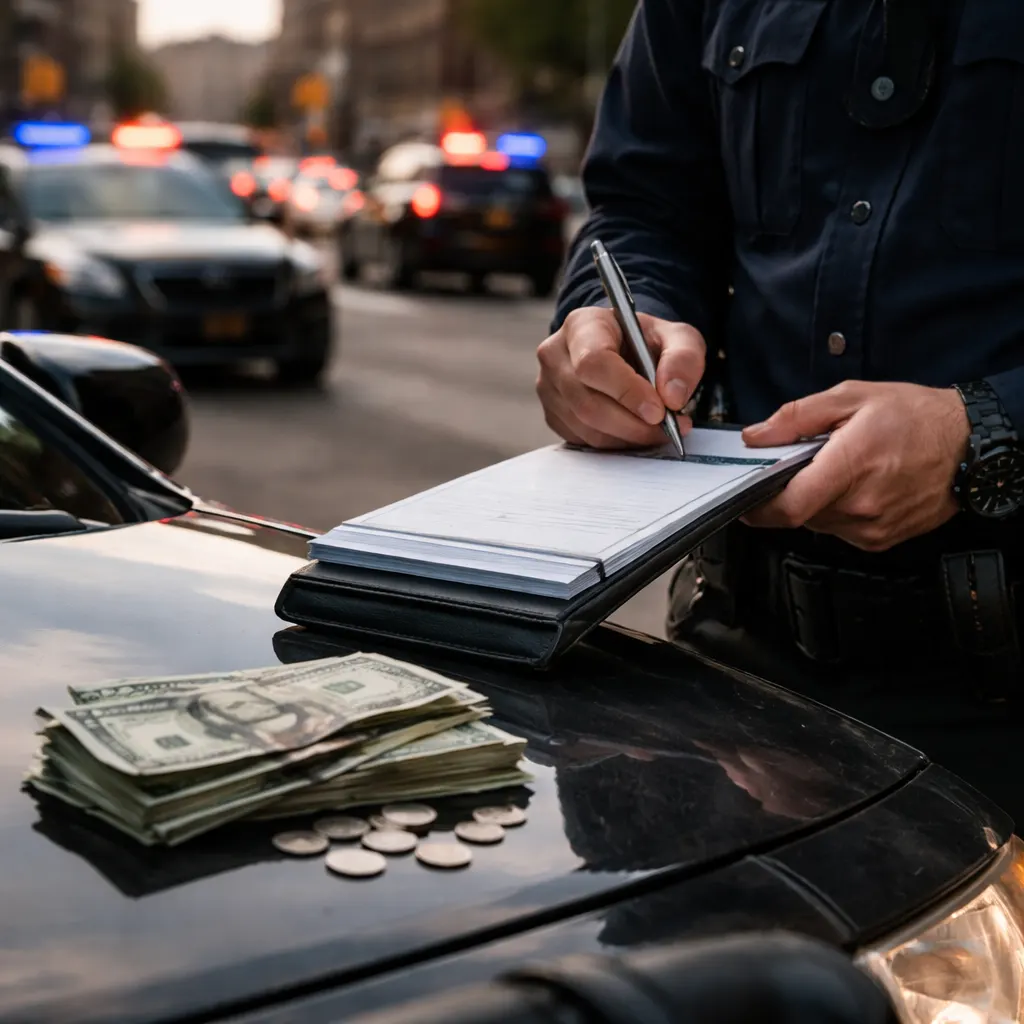
Out of 7,426 cities and counties analyzed, 275 municipalities generated more than 10 percent of their budgets from fines and forfeitures in fiscal year 2023, according to a new report from the Reason Foundation. The libertarian think tank warns that this revenue-focused policing undermines public trust and pulls officers away from serious crimes. The report identifies loopholes in existing state laws and offers recommendations for tightening enforcement.
The dependence runs deepest in a handful of states: the majority of these fine-reliant jurisdictions are in Georgia, Illinois, Louisiana, Oklahoma and Tennessee, the analysis shows. At the extreme end, 42 cities and two counties brought in more than half their revenue through fines and forfeitures. This year, Brookside, Alabama — a town of 1,600 residents — settled for $1.5 million with drivers who alleged the police hit them with bogus and inflated charges as part of a revenue scheme. Traffic fines and forfeitures accounted for nearly half of Brookside's 2020 budget. Under the settlement terms, the town can't police the nearby interstate for 10 years.
Research cited in the report found that municipalities collecting a larger share of revenue from fines and forfeitures had lower solve rates for property and violent crimes, especially in small towns with populations below 28,000. "We've seen across the country examples of scandals where the police end up diverting their attention away from legitimate public safety issues to trying to raise revenue," Vittorio Nastasi, the Reason Foundation's director of criminal justice policy and report co-author, said. The report notes that smaller jurisdictions often lack specialized units, forcing officers to shift between tasks — when traffic ticketing ramps up, other duties get sidelined.
Jurisdictions that lean heavily on citations typically face two conditions: tight budgets due to small tax bases, and access to major roadways where they can ticket nonresidents without angering local voters, the report explains. Municipal courts play a role too. A 2022 study the report cites found that Indiana cities hit with unexpected property tax shortfalls only increased traffic enforcement if they had a municipal court that let them keep ticketing revenue — typically 25 percent of court fees, compared to just 3 percent for cities without such courts. As of 2025, half of states have banned police quotas for arrests, citations or traffic stops, but enforcement varies widely. Pennsylvania invalidates any citations issued under quotas, and Michigan allows removal of officials who violate the ban, but other states lack enforcement teeth. Some bans are too narrow — Montana's covers investigative stops, arrests and citations, while Iowa's only bans citation quotas.
The report recommends that quota bans cover all three areas and prohibit both formal targets and informal pressure to meet them. Five states cap the portion of fine and forfeiture revenue local governments can keep, sending the rest to the state or schools, but some caps only apply to traffic fines, which risks officers tweaking charges to dodge the rule. The authors suggest applying caps to all revenue from local criminal justice operations and setting the limit at 10 to 15 percent of general fund revenues. They caution that caps should phase in gradually so dependent localities can adjust, and states should boost funding for municipal courts to ease budgetary pressure. For the smallest jurisdictions, eliminating municipal courts entirely and routing cases to county or regional courts could remove the incentive altogether, the report suggests.