
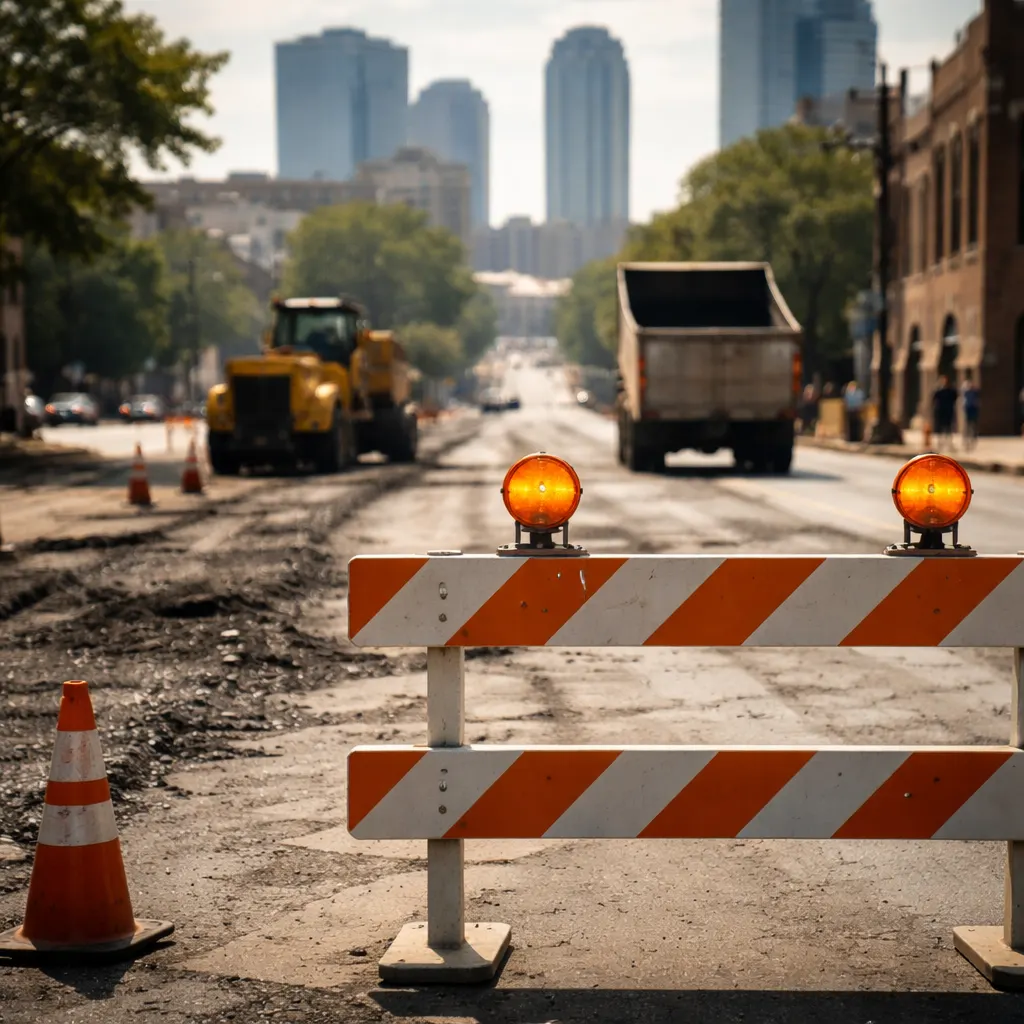
Fort Worth's City Council has unanimously approved a new street maintenance fee that will generate approximately $27.4 million annually starting in 2028, according to a report by the Fort Worth Report published September 17, 2026. The fee, billed through water accounts at $3 per month for residential users, aims to address a growing funding shortfall for street repair and reduce the need for expensive future reconstruction as rising construction costs and an expanding road network have led to worsening pavement conditions.
The city's average annual street maintenance needs have reached $98 million, creating a yearly funding gap of $66 million, city staff estimates. The new fee will cover 40% of that shortfall. Fort Worth is responsible for maintaining roughly 8,600 lane miles of streets and roadways, with about 25% currently requiring reconstruction. Postponing full reconstruction of 150 lane miles annually adds approximately $375 million in future bond requirements, the city said. Construction costs have climbed by roughly 73% in recent years. Multifamily properties will be charged based on dwelling units, hotels on room count, schools on student population, and commercial properties generally on square footage.
"It's not going to get us fully where we want to go in one fell swoop, but it is an important step, and it will have a significant benefit," Lane Zarate, the city's assistant director of street and stormwater operations, told the Fort Worth Report. The fee will support 75% of heavy maintenance projects and 25% of citywide preservation projects, according to the city. Council member Michael Crain, who moved to approve the measure, added an amendment requiring semiannual public reporting for transportation impact fees and pavement management fees, along with a 12-month implementation review in a public workshop. "We're upping fees for roads and streets and we need to make sure it stays that way," Crain said.
The fee will prevent adding roughly $125 million annually in future street reconstruction costs and cut future bond needs by 34%, city staff previously stated. It will enable maintenance for streets in good condition once every five years. The city's PayGo program, which relies on property tax revenue rather than debt, will also contribute to street repair funding. Fee revenues, except for administrative costs, must be used for pavement preservation and maintenance under the council's approval language. The city worked with its Development Advisory Committee to sort through the fee's logistics and plans to roll it out in February 2028.