
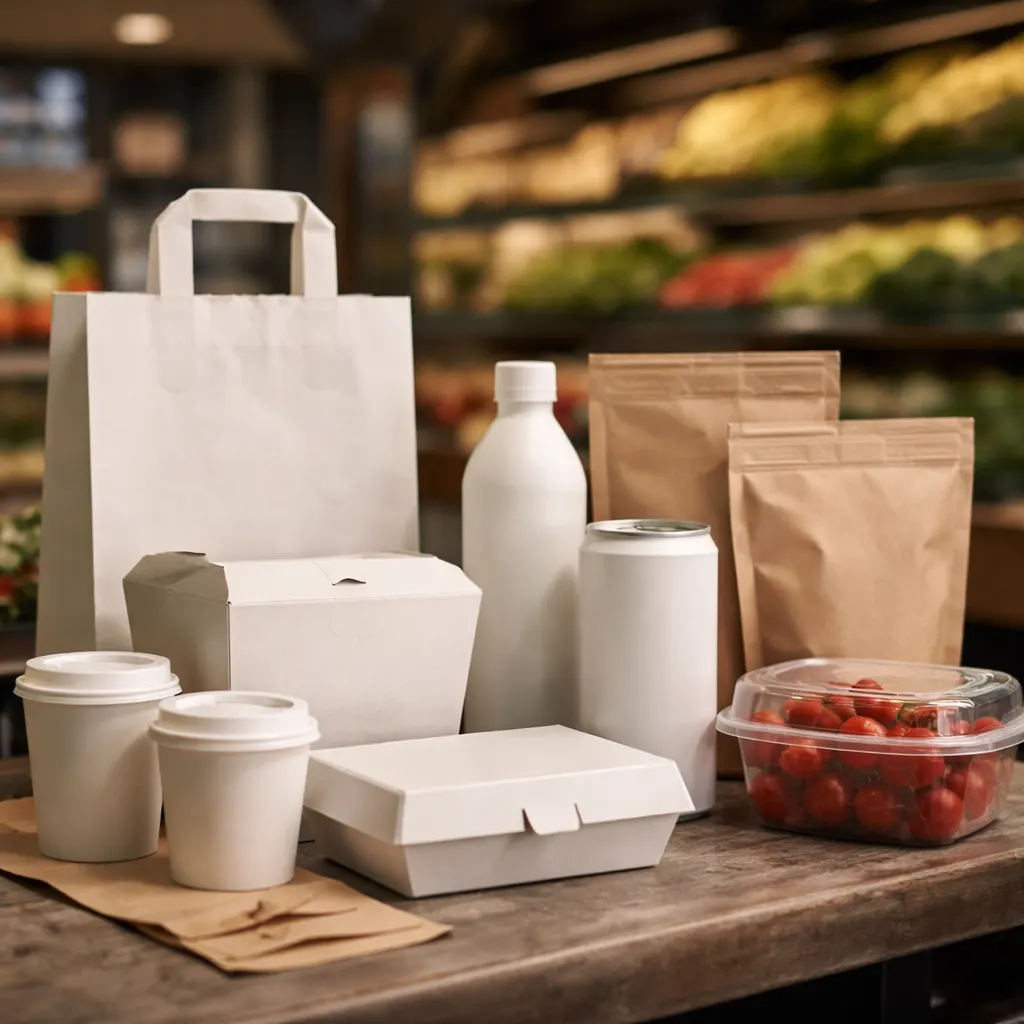
California's sweeping plastic ban, which took effect May 1, is reshaping product packaging nationwide despite being a state law, according to an analysis published by the Foundation for Economic Education. The Plastic Pollution Prevention and Packaging Producer Responsibility Act, passed in 2022, requires that by 2032 every piece of single-use packaging and plastic food service ware sold in California must be recyclable or compostable. Because most companies don't produce separate packages for California and the other 49 states, the law effectively functions as a national regulation, forcing businesses across America to comply with one state's rules.
The law covers all single-use packaging and plastic food service items sold in California, including products made outside the state and imported in. Companies must meet the recyclable-or-compostable mandate by 2032 for every product they sell in the California market. Seventeen state attorneys general have filed a lawsuit arguing the regulation violates the Constitution by burdening interstate commerce, restricting how businesses communicate costs to customers, and effectively forcing companies into a single state-approved producer organization. Consumers outside California may experience fewer packaging choices, higher prices, or redesigned products as companies adapt to meet California's requirements.
The analysis notes that California's attorney general claims, "We are currently living through a plastic waste and pollution crisis," with lawmakers passing numerous bills to eliminate plastic items statewide. According to the report, this isn't California's first attempt to set national standards through state law. California's Proposition 12 created strict breeding rules for veal, pork, and eggs that effectively made the state "an independent regulatory entity that has forced other states to comply with California's law if they wished to have access to California's markets." The lawsuit challenges whether California has the right to reshape markets across the country.
The analysis points to public education campaigns as proven alternatives to bans and mandates. Texas's "Don't mess with Texas" anti-litter campaign, launched 40 years ago with a goal of reducing litter by 5% in its first year, exceeded expectations dramatically. A commercial featuring blues guitarist Stevie Ray Vaughan helped drive a nearly 30% litter reduction in year one, and the campaign is now credited with a 72% litter reduction overall. The national Keep America Beautiful program, running for more than seven decades, found a 54% decrease in roadside litter over the decade ending in 2020. The report argues that while plastic litter is a genuine problem, the question is whether bans are the best solution, especially when education campaigns have delivered measurable results without restricting commerce across state lines.
California has the authority to regulate products within its borders, but the legal battle now centers on whether it can impose those standards on the entire nation. Seventeen states are challenging that reach in court. For American consumers and businesses, the outcome will determine whether one state's environmental priorities can dictate packaging choices from coast to coast.