
Researchers have found that combining drugs that block a DNA repair enzyme with standard bladder chemotherapy wiped out cancer cells that would otherwise survive and regrow, according to a study published in the British Journal of Cancer by a team at University Medical Center Utrecht in the Netherlands. The scientists tested the approach in miniature tumours grown directly from tissue taken from six patients with non-muscle invasive bladder cancer, a common malignancy that frequently returns even after surgery and chemotherapy. The combination didn't just slow the cancer cells—it appeared to destroy their ability to bounce back, precisely the effect needed to prevent recurrence.
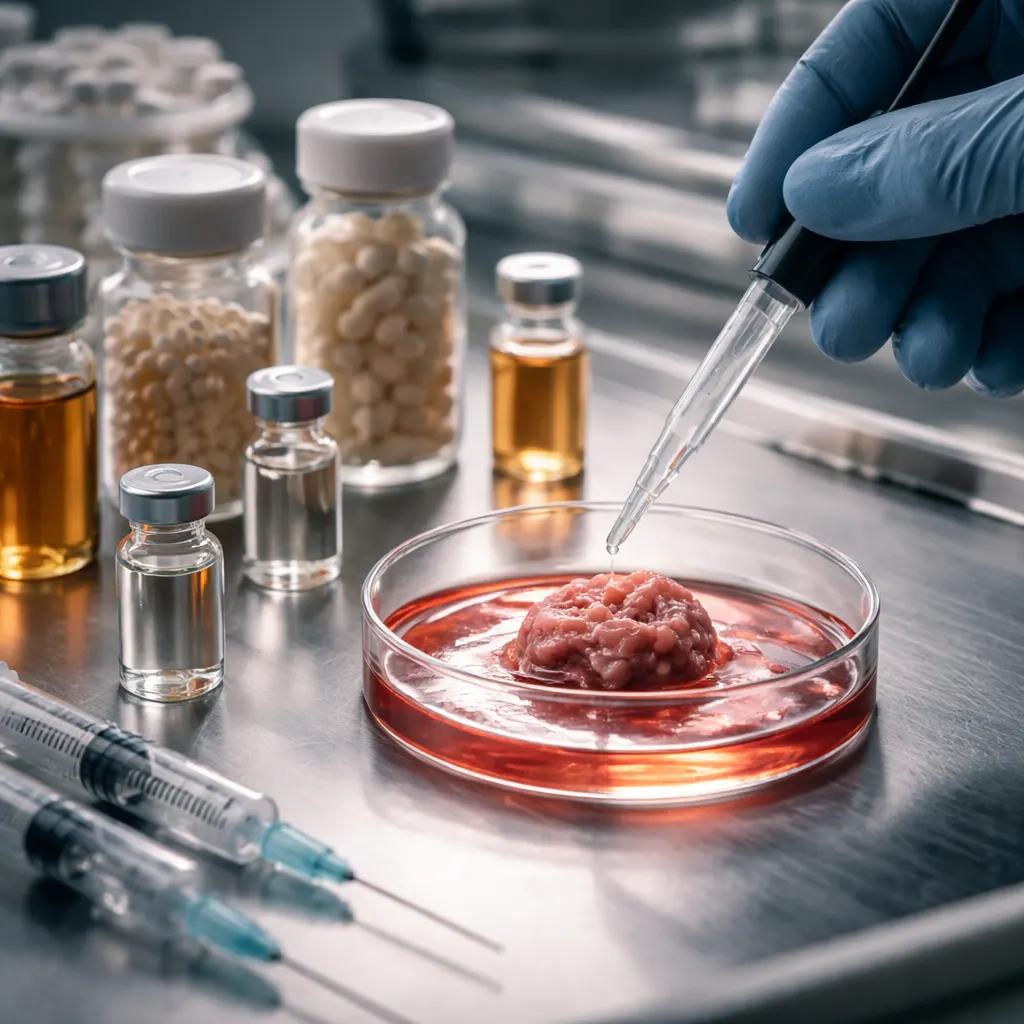
The team used patient-derived organoids, three-dimensional tumour cultures that preserve the genetic and molecular features of the original cancers, rather than standard cell lines that often fail to capture real tumour biology. They exposed the organoids to mitomycin C, the chemotherapy drug most commonly flushed into the bladder after tumour removal, for two hours to mimic clinical practice, then added one of three ATR inhibitors—berzosertib, ceralasertib, or tuvusertib—for 72 hours. Organoids treated with mitomycin C alone or an ATR inhibitor alone eventually recovered and grew at rates similar to untreated controls when monitored for six weeks. But organoids that received the sequential combination showed severely impaired viability throughout the entire observation period, with no regrowth. The researchers also tested combinations with gemcitabine and epirubicin, two other intravesical chemotherapy agents, in one organoid line and saw similar effects.
The report finds that blocking ATR pharmacologically strips away the safety net cells rely on when chemotherapy damages their DNA, causing replication forks to collapse, double-strand breaks to pile up, and pushing the cell toward catastrophe. The researchers confirmed that berzosertib potently suppressed the ATR signalling that mitomycin C normally triggers, preventing the checkpoint response that would allow cells to survive the damage. Quantitative analysis using synergy scoring frameworks showed the effect was genuinely synergistic rather than merely additive, meaning the two drugs together killed far more cells than would be predicted from their individual activities. The combination drove the organoid cells into apoptosis, the controlled programme of cell death, consistent with catastrophic, irreparable DNA damage.
The implications are considerable because recurrence after intravesical therapy remains the central clinical challenge in non-muscle invasive bladder cancer, driving repeated surgeries, lifelong surveillance, and in a substantial minority of cases, progression to life-threatening muscle-invasive disease. The economic burden of bladder cancer across Europe is among the highest of any malignancy, largely because of the intensity of monitoring and repeat treatment that recurrence entails. A regimen that converts transient chemotherapy exposure into durable eradication of residual tumour cells could reduce recurrence rates, spare patients repeated interventions, and delay or prevent progression. Because ATR inhibitors such as berzosertib, ceralasertib, and tuvusertib are already in clinical development, the path from laboratory finding to clinical testing is shorter than for an entirely novel drug class. The study is preclinical and conducted in organoids rather than in patients, and questions remain about optimal sequencing, dosing, and delivery of ATR inhibitors in the bladder. But if the synergy observed in these miniature tumours translates to patients, the bladder instillation—a treatment whose basic design has changed little in decades—could be transformed into a precision strike that leaves behind not just damaged cancer cells, but none at all.