
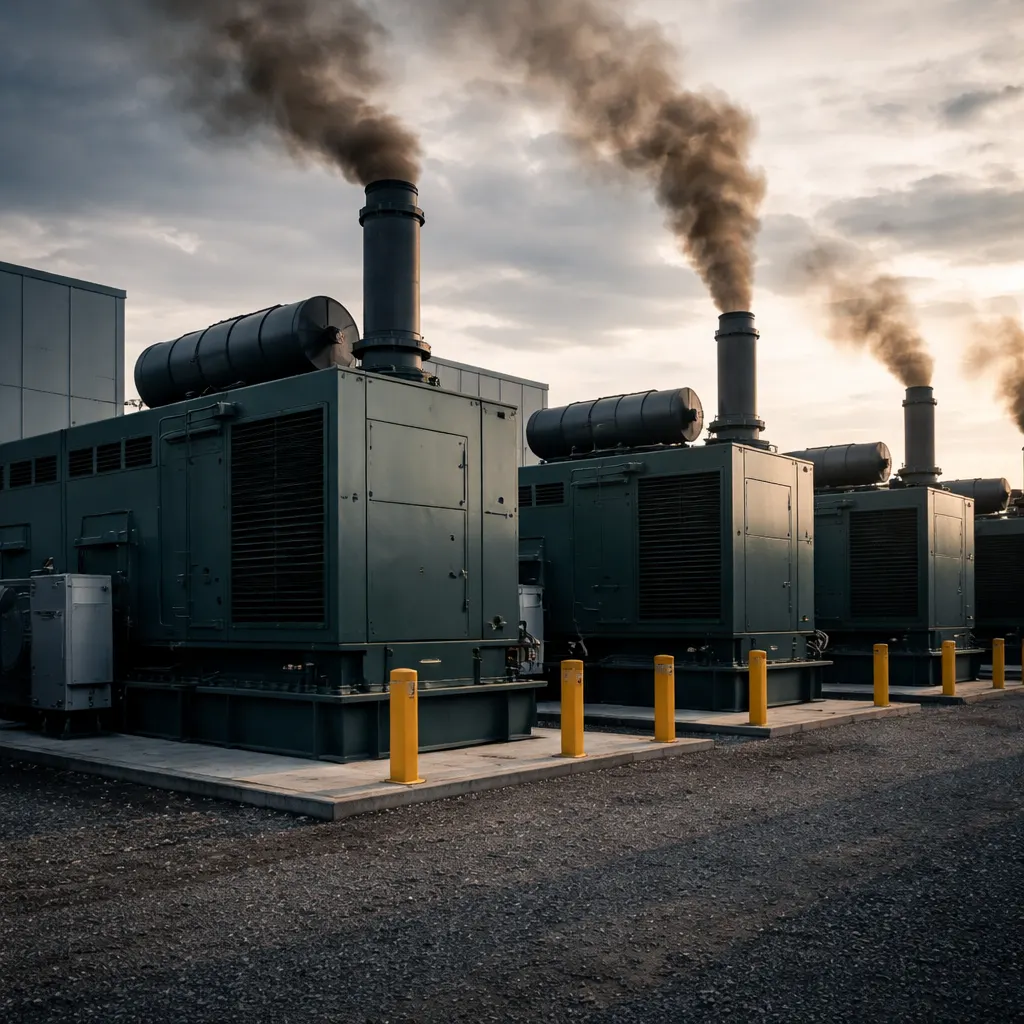
Air pollution from data centers could drive healthcare costs up by nearly $21 billion by 2028, contributing to roughly 600,000 asthma cases and 1,300 premature deaths, according to a report released by the Environmental Protection Network, a nonprofit made up of former public officials focused on environmental policy. Most of the health danger stems from federal regulatory shifts designed to help utilities meet surging data center energy needs, but a meaningful share comes from policy changes that allow data centers to operate on-site backup power with fewer restrictions, the report says.
The health risks are particularly severe in Virginia, where on-site generators running at just 10% of their permitted emission levels would lead to approximately 14,000 asthma symptom cases, 13 to 19 early deaths, and $220 million to $300 million in annual public health expenses, the report states, citing estimates from researchers published earlier this year. The backup generators and turbines at these facilities can release nitrogen oxides, smog-creating volatile organic compounds, and soot pollution, with the combined output of large equipment fleets matching that of traditional power plants, according to the report.
Several federal regulatory actions are driving the increased risks from backup generation, the report finds. The EPA finalized a rule earlier this year establishing a category for small and medium temporary turbines that can stay on-site for up to two years with significantly reduced monitoring, recordkeeping, and reporting obligations. Those requirements are critical not just for calculating pollution levels but for verifying that equipment operates within permit limits and meets pollution standards, the report states. The rule change is expected to result in 89% more nitrogen oxide released annually compared to a stricter 2024 version that the Trump administration discarded. The report also highlights an EPA interpretive letter from last year allowing operators of emergency backup generation to use their equipment in utility demand-response programs, and a Department of Energy emergency order issued in May authorizing PJM Interconnection to tap backup generation at data centers during periods of high demand. The report points to a high-profile lawsuit against xAI over its Mississippi data center as an example of confusion around permitting for temporary or mobile turbines used for backup power.
The regulatory rollbacks reverse earlier progress toward cleaner energy, the report argues. Before 2025, tougher pollution protections, scheduled retirements of fossil fuel plants, and growth in cleaner power were set to limit additional pollution from rising demand, but current federal policies make it easier to keep dirtier power sources running or add new ones while weakening safeguards, according to the report. The changes include exempting private power facilities from acid rain program permits, emissions requirements, and standardized reporting. The report catalogs 30 federal regulatory actions in total that it says increase pollution risk from data centers, with many easing restrictions on utilities and some loosening rules on non-utility power plants. Backup generators add smog-forming nitrogen oxides and fine-particle soot pollution during heat waves and other times of grid strain, when extreme heat and existing air pollution already put people at heightened risk, the report warns. The bottom line: federal policy shifts are paving the way for a health crisis tied directly to the infrastructure powering artificial intelligence and cloud computing.