
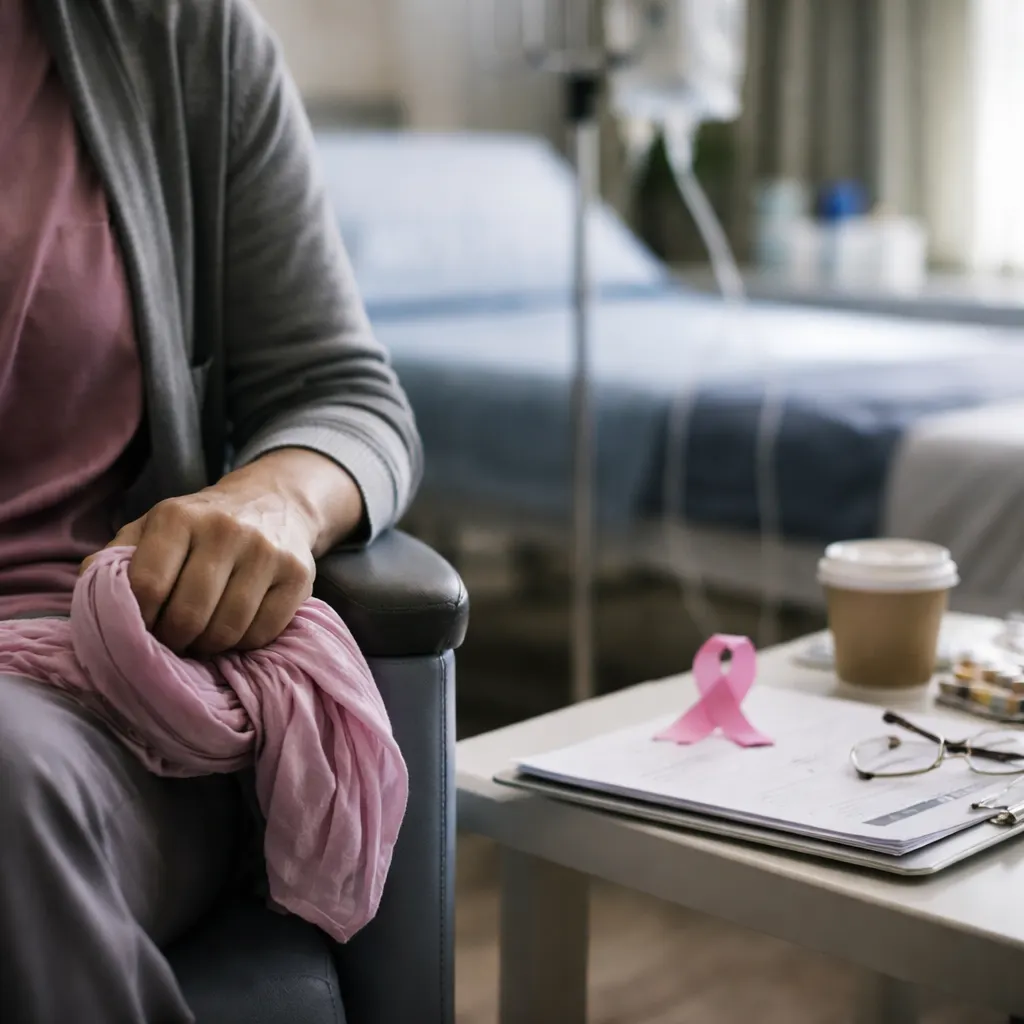
Cancer care systems weren't built around the realities of women's lives, leaving critical gaps in prevention, screening, treatment, and survivorship at every life stage, a new report from the Milken Institute Women's Health Network concludes. The framework, released this week, maps women's cancer experiences across four distinct periods—childhood and adolescence, young adulthood, the menopausal transition, and older adulthood and survivorship—to pinpoint where the system breaks down. Drawing on published research and input from more than 20 oncologists, clinicians, and patient advocates convened during the 2026 American Society of Clinical Oncology annual meeting, it lays out concrete steps health systems, insurers, and policymakers can take to close those gaps.
The report identifies five major opportunity areas to strengthen care. First, expanding where prevention happens: delivering HPV vaccination through schools, pharmacies, and community locations, supported by outreach from trusted local partners, to reach people who don't regularly visit a doctor. Second, fixing the handoffs: creating structured transitions with clearly assigned clinician responsibility as women move from pediatric to adult care, from screening to follow-up, and from active treatment into survivorship to prevent them from falling through the cracks. Third, integrating female-specific care into routine cancer treatment: making fertility counseling, contraception and menstrual care, and menopause and oncomenopause support standard parts of oncology practice rather than optional extras. Fourth, using data and technology to spot risk earlier: employing connected health records, broader risk assessment tools, and automated referral pathways to flag hereditary risk, missed screenings, and unmet psychosocial needs before a clinic visit. Fifth, aligning payment models with coordinated care: reimbursing fertility preservation, genetic counseling, patient navigation, menopause care, transportation, and childcare to make these services financially sustainable.
According to the report, female-specific care—fertility counseling, contraception and menstrual management, and menopause support—"belong in routine oncology practice, not as add-ons." The authors argue that structured transitions with clearly assigned clinician responsibility "can prevent women from falling through the cracks" during vulnerable moments when care shifts from one provider or setting to another. The framework emphasizes that connected health records, expanded risk assessment tools, and automated referral systems "can flag hereditary risk, missed screenings, and unmet psychosocial needs before a visit," allowing earlier intervention.
The breakdown happens because cancer care was designed around a model that doesn't account for the distinct biological and social realities women face at different life stages, the report explains. Young women may face fertility preservation decisions during treatment that male-focused protocols never considered. Those transitioning through menopause may experience treatment-induced hormonal changes that overlap with natural transitions, yet menopause care often isn't integrated into oncology visits. Older survivors may live decades after treatment but lack structured follow-up for late effects and psychosocial needs. The report argues that payment systems compound these failures by not reimbursing navigation, counseling, and support services that make coordinated care possible, leaving even well-intentioned providers unable to sustain them.
The path forward requires both clinical redesign and policy change, the authors conclude. Health systems need to build female-specific services into standard oncology workflows, not treat them as ancillary. Payers need to cover the coordination, counseling, and support services that keep women connected to care across transitions. Policymakers can enable prevention by supporting vaccination delivery outside traditional medical settings and funding technology infrastructure that connects records and automates risk identification. The full framework offers more than 20 detailed opportunities for action, stage by stage, with the explicit goal of building a cancer care system that actually fits women's lives.