
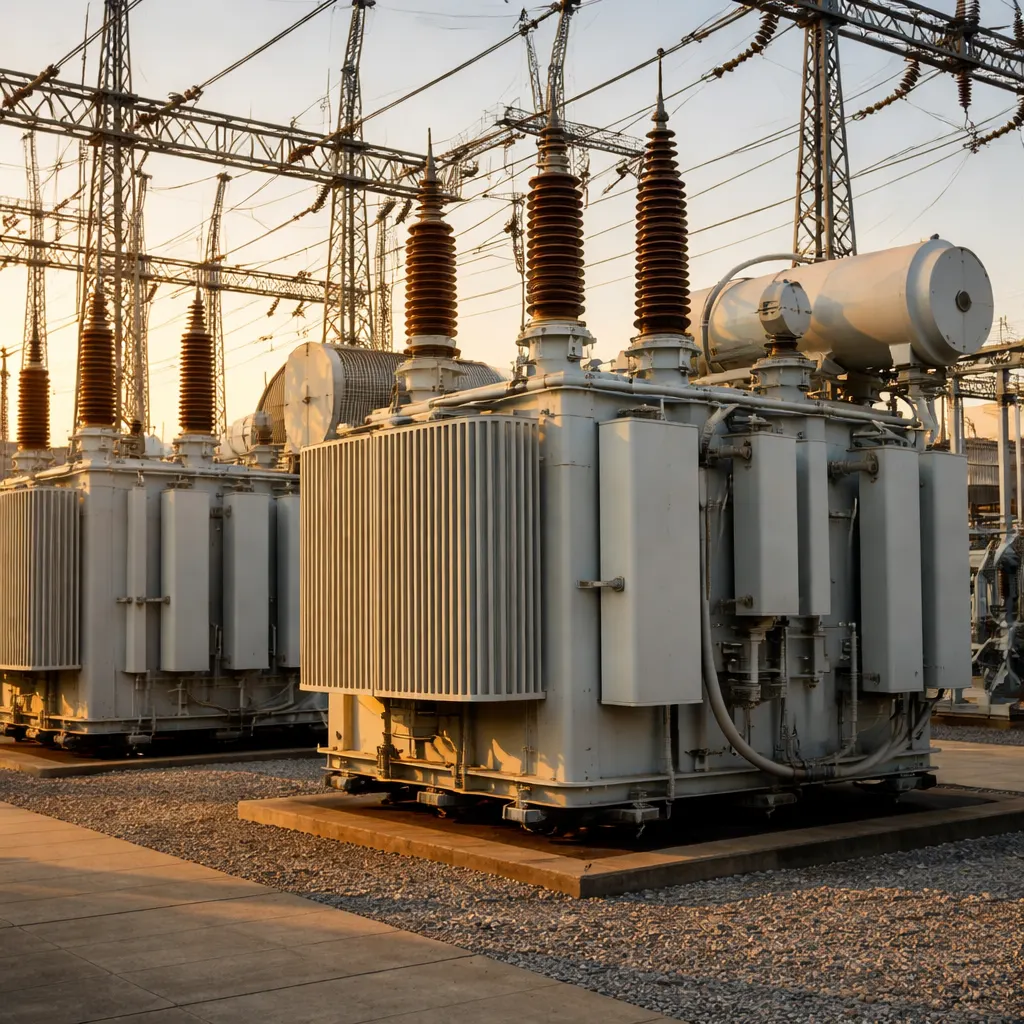
The Trump administration is weighing revisions to energy efficiency standards for distribution transformers that were finalized two years ago with broad industry support, sparking new worries among utilities and electric sector groups about potential bottlenecks in grid expansion. The 2024 rules, scheduled to take effect in 2029, modify efficiency targets to mandate greater use of amorphous electrical steel in essential grid equipment alongside the grain-oriented electrical steel, or GOES, that's currently most widespread. The Department of Energy published a request for comments in June on possible changes to the transformer rule, specifically examining how new requirements affect national security issues including "domestic manufacturing capacity, supply chain resilience, and the availability and cost of key materials."
The Edison Electric Institute, representing investor-owned electric utilities, told DOE in July 15 comments that rather than scrapping the changes, its members would gain from extended compliance deadlines since supply chain problems and cost hikes have worsened over the past two years. The American Public Power Association said in July 9 comments that it "does not advocate for any changes to the final rule," though it noted the federal government "should continue to monitor the supply chain, particularly the development of amorphous steel." The National Rural Electric Cooperative Association stated in July 14 comments that the 2024 rule "strikes the right balance," while the National Electrical Manufacturers Association urged DOE in July 15 comments to "refrain from actions that would disrupt the certainty of the 2024 rulemaking."
DOE's 2024 rule change took a middle-ground approach, permitting both GOES and amorphous steel to ensure manufacturers can satisfy growing demand for grid equipment. When the rule was finalized, wait times to obtain new distribution transformers stretched to 18 months or longer, and the concern was that a swift overhaul of manufacturing and steel supply chains would make the situation worse. Cleveland-Cliffs, the second-largest steel manufacturer in the U.S. and sole producer of GOES for distribution transformers in North America, now supports DOE making changes to the 2024 rule it previously backed. The steelmaker recommends DOE "proceed with revisions to the 2024 rule to preserve utilization of GOES for all types of covered distribution transformers," warning the 2024 standards "will weaken domestic supply chains and serve as a disincentive for further investment in domestic GOES capacity."
The sector has invested over the past two years to meet the new efficiency requirements, and "wholesale repeal would strand those investments, discourage future investment, and disrupt the productive collaboration that has been occurring across the value chain," the Edison Electric Institute warned. Trump's DOE has adopted a broad deregulatory stance on efficiency, attempting to reverse numerous rules finalized under the Biden administration and "permanently end home appliance and equipment mandates." According to Andrew deLaski, executive director of the Appliance Standards Awareness Project, "We're not aware of anyone asking for this," noting that transformers are a specialized product unlike light bulbs or washing machines that Trump has campaigned against. The competing pressures leave the 2029 rule's future uncertain, with most manufacturers and utilities urging stability while Cleveland-Cliffs pushes for changes that would preserve demand for its domestically produced steel.