
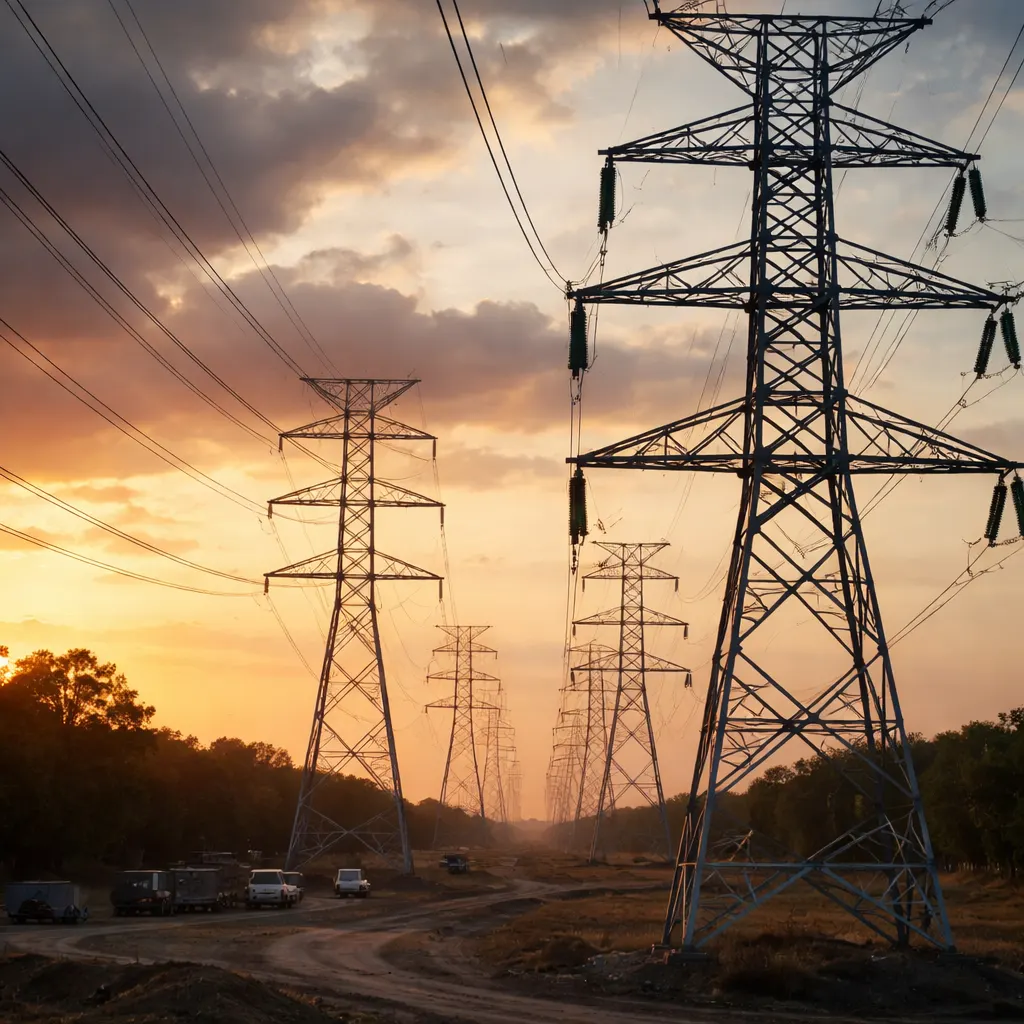
A proposed high-voltage transmission line network across Texas could cost ratepayers nearly $100 billion over its lifetime, or roughly $3 billion annually, according to testimony delivered by Brent Bennett of the Texas Public Policy Foundation before the state Senate Business and Commerce Committee on July 29, 2026. Bennett argued that constructing energy-dense, dependable power plants like natural gas and nuclear facilities near population centers would make the cross-state 765-kilovolt lines unnecessary while lowering overall system expenses for consumers. The testimony calls for pausing final decisions on the transmission project until after the state's 90th Legislative session.
The testimony estimates that typical residential customers would pay more than $150 yearly for these projects alone, representing a 7% to 8% hike in average electricity bills. Data from August 2026 shows Texas's western region has almost 10 times as much installed wind, solar, and storage capacity as natural gas, with electricity demand beginning to surpass available gas supply. The eastern portions of the ERCOT market are relatively balanced, with demand in each area roughly matching dispatchable generation capacity. ERCOT developed its Permian Basin Reliability Plan and the 765-kV Strategic Transmission Expansion Plan assuming approximately 90% of new capacity over the next decade would come from wind, solar, and storage resources. Under present generation trends, a once-in-a-decade winter storm in 2030 would cause nearly three days of blackouts and cost tens of billions of dollars, even with adequate new transmission infrastructure in place.
The report finds that the 765-kV STEP is nearly five times larger in cost and scope than the Competitive Renewable Energy Zones lines, yet it has never been expressly authorized by the Legislature in the same way those earlier projects were. According to the testimony, "a market that properly values reliable, energy-dense generation will naturally build that generation close to demand centers where the power can be efficiently used." The foundation recommends that ERCOT perform a complete reassessment of the 765-kV lines in its Regional Transmission Plan by January 2027, comparing the current plan—which relies heavily on new wind and solar generation—to alternatives that include sufficient local generation and transmission to avoid cross-state infrastructure. Bennett writes that property located up to 1,000 feet from transmission lines can lose 18% or more of its value, and applying this factor to all affected landowners could result in a total loss exceeding $10 billion.
The testimony explains that a major force driving new cross-state transmission in Texas is the requirement to transport dispersed wind and solar power hundreds of miles across the state to population centers. The overbuilding of wind and solar is especially severe in West Texas, which is suppressing construction of reliable generation despite consistent demand growth in that region. Bennett argues that ERCOT's current structure is rewarding diffuse and variable wind and solar while subsidizing transmission of their electricity to demand centers, and the 765-kV STEP merely provides a temporary solution while further entrenching this system over the long term. The transmission lines provide flexibility for locating new generation but don't guarantee that power plants get built.
The foundation recommends the Texas Public Utility Commission conduct a review of market design changes that would enable construction of new, always-available generation that would eliminate the rationale for cross-state transmission, with the review completed in time for the 90th Legislature to compare these options and enact reforms. The testimony concludes that without market reforms to better value reliable generation, more cross-state transmission to manage imbalances created by wind and solar will simply lead to more wind and solar, worsening the reliability problems those resources cause while imposing extra costs on ratepayers. Texas must fix the wholesale market first and then reconsider whether the Permian Basin import lines, the 765-kV STEP, and any other major statewide transmission projects are needed.