
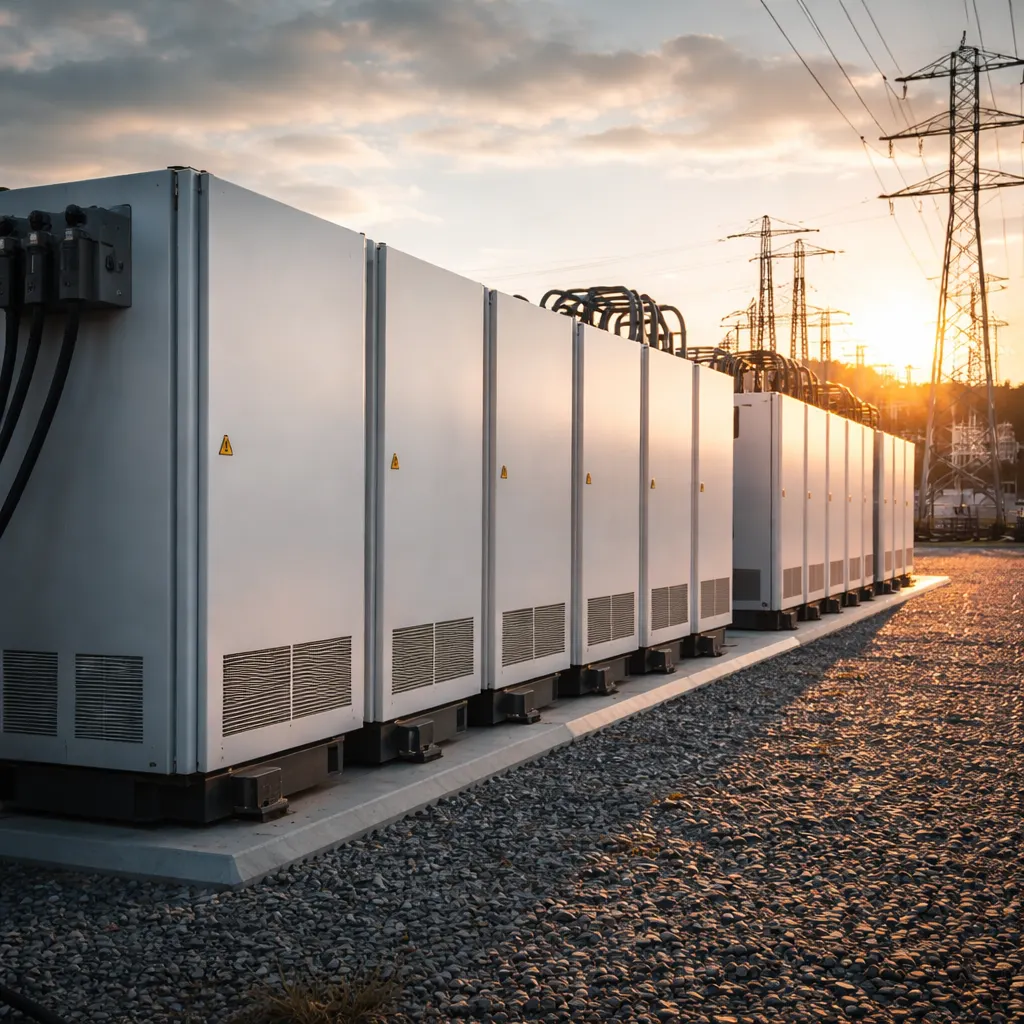
Customer-owned energy storage devices will be allowed to join a two-year virtual power plant program run by electric distribution companies in New Jersey starting next year, according to a straw proposal released July 15 by the state Board of Public Utilities. The framework positions New Jersey among a rising number of states in both restructured and vertically integrated utility markets that are establishing open-access VPP programs allowing non-utility firms to combine electric vehicles, home batteries, and other small-scale resources. The transitional program would launch no later than July 1, 2027, and then shift into a market-based, open-access VPP tariff starting in 2029.
The Board of Public Utilities outlined eight governing principles for the future VPP program, including equitable design, technology neutrality, non-discriminatory aggregator access, and friction-free enrollment and exit for qualified resources. The two-year initial phase would be managed by New Jersey's four electric distribution companies and would leverage the utilities' existing advanced metering infrastructure, direct load control platforms, and demand response customers already enrolled under the state's Triennium energy-efficiency program. Where allowed, the program would let batteries and other distributed energy resources stack payments for distribution-level grid services with PJM Interconnection wholesale market participation payments. The board is accepting written comments on the proposal until Aug. 17 and held an all-day stakeholder meeting on July 30.
The proposal fulfills a key directive in one of the energy-related executive orders issued by Democratic New Jersey Gov. Mikie Sherrill upon taking office in January, the BPU said. Executive Order No. 2 established aggressive capacity targets and timelines for BPU procurement of distributed, community-scale, and utility-scale solar and energy storage capacity, and directed the BPU to develop a VPP program within 180 days. The order instructed the board to leverage existing demand response programs, seek opportunities to expand third-party electricity supply offerings, and enable operational and policy changes allowing distributed energy assets in New Jersey to participate "to the fullest extent possible" in the PJM Interconnection capacity market. According to the BPU, bringing the second phase to fruition will require "substantial stakeholder inputs, EDC investment, and third-party systems integration around a fully specified service architecture."
At the July 30 stakeholder meeting, utility representatives detailed current and planned battery-based demand response programs. Tim Fagan, manager for planning and evaluation at PSE&G New Jersey, said the utility plans to roll out a VPP program this month offering an upfront incentive of roughly $5,000 for an 8-kW home battery, with customers paying off the remaining installation balance through PSE&G's on-bill repayment program in exchange for allowing the utility to discharge the battery during peak-shaving events. Fagan said future battery-eligible VPP programs could feature recurring payments to customers, noting that PSE&G believes resilience-minded customers have already deployed "several thousand" small-scale batteries in New Jersey. Andrew Bayne, manager for energy efficiency programs at Pepco Holdings, said his company is exploring how to reduce attrition among the 100-to-300 devices enrolled in its Delaware "bring your own battery" pilot, where participating Delmarva Power customers will receive an estimated $1,080 in annual performance payments by direct deposit. Bayne said key questions include whether "that juice [is] worth the squeeze for the customer — is that $1,000 a year worth it" to allow the utility to cycle the battery, and how many called events customers can tolerate each season before dropping out.