
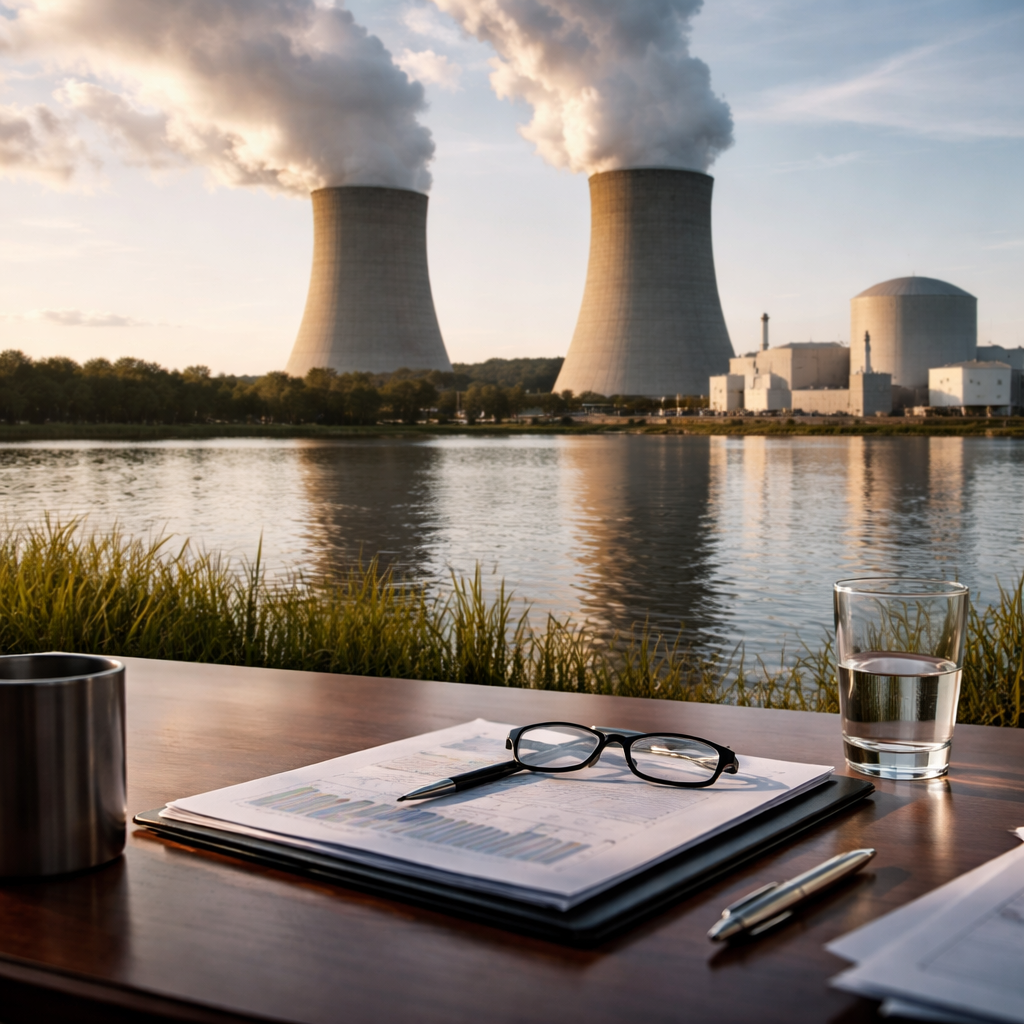
Minnesota lawmakers have approved a $500,000 study examining the potential impact of new nuclear power generation, setting the stage for what could be the end of the state's 32-year prohibition on new nuclear plants. The study, funded through Section 11 of HF2438 and signed into law by Governor Tim Walz on May 27, 2026, represents what advocates call "baby steps" toward lifting Minnesota's moratorium on nuclear power generators. The state is one of just nine nationwide that currently bans the expansion of nuclear energy.
The study will run from July 1, 2026, through January 31, 2027, examining nuclear power's impact on affordability, reliability, environmental protection, and public health. It must address at least 15 specific areas including federal regulations, technological advances, full lifecycle costs, ratepayer impacts, public subsidies and tax incentives, water usage, environmental and health effects, waste management, employment and economic activity, tax revenue, public safety, carbon-free energy potential, permitting processes, and workforce development. The legislation requires the Minnesota Department of Commerce to contract with the Great Plains Institute for Sustainable Development to conduct the research. All data, assumptions, and models used in the study must be made publicly available, and the analysis must include historical evidence from comparable nuclear projects both domestically and internationally.
According to the Center of the American Experiment, which played a key role in advancing the study through its "Nuke the Mandate, Free the Nukes" campaign launched in March, "it's been clear for a long time that nuclear power enjoys bipartisan support at the legislature." The National Rural Electric Cooperative Association reported on June 9 that "state lawmakers voted to fund a $500,000 study that could be the first step in lifting a 32-year ban on new nuclear power plants" during the final day of their legislative session on May 17. The bill requires the Commerce Commissioner to "ensure balanced representation of perspectives in the study," a provision the Center describes as surprising but welcome, aligning with a "Red Team approach" where research is critically and widely evaluated.
The Center raises concerns about several aspects of the study's structure, noting that similar research typically takes a year or more and costs at least $1 million, particularly given the scale of nuclear power's potential impacts. The organization questions awarding the contract to a nonprofit rather than putting it out for competitive tender to commercial consulting firms, suggesting the Great Plains Institute may lack expertise in impact evaluation and could have a predetermined viewpoint against nuclear power. The report notes the study's scope lacks a structured framework, though it acknowledges the "shopping list" of required topics is comprehensive. The Center has offered to participate in the study to provide what it calls a "free-market-friendly viewpoint that best balances the interests of energy suppliers, users and other stakeholders, including climate, environmental and social welfare ones."
The study positions Minnesota at a potential turning point, with an end to the nuclear ban becoming "more likely than not next year" according to the Center's assessment. The organization hopes to serve not just as a "critical watchdog" but as a "constructive contributor" to the research process. With the study's transparent requirements and bipartisan legislative support, Minnesota could soon join the majority of states that allow new nuclear development—a shift that advocates say is necessary for clean, reliable energy generation.