
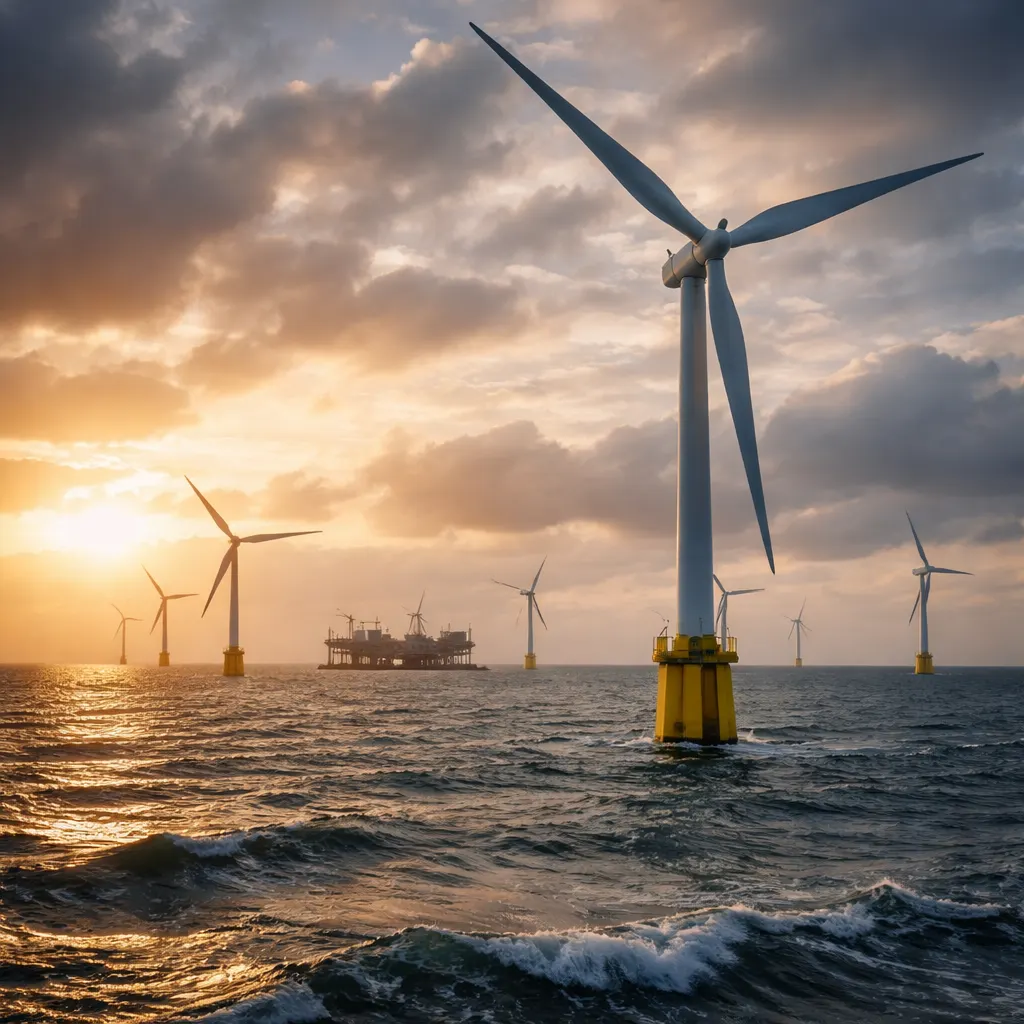
Dominion Energy's massive offshore wind project off the Virginia coast will now cost $11.7 billion and won't be finished until the end of 2027, the company disclosed Friday in a quarterly filing with federal regulators. The 2.6-gigawatt Coastal Virginia Offshore Wind project has climbed nearly $300 million from its April estimate, pushing back a timeline that previously anticipated completion early next year. The Richmond-based utility blamed the overrun on network upgrade fees from grid operator PJM Interconnection, Trump administration tariffs imposed in April, and revised turbine installation schedules.
The $288 million price jump is only the latest setback for what would be one of the nation's largest offshore wind farms. More than 450 megawatts of turbine capacity is already installed and operating, and overall construction stands at 81% complete, according to Dominion's investor presentation. The company reported second-quarter net income of $340 million, down sharply from $760 million in the same period last year, with offshore wind expenses and charges tied to nonregulated assets dragging on earnings. Meanwhile, Dominion's data center pipeline has swelled to 53.8 gigawatts in "various stages of contracting" as of July 2026, up 11% since December 2025. The utility is also pursuing a merger with NextEra Energy that would create the country's largest regulated utility serving 10 million customers, with financial close targeted by the end of 2027 and $2.25 billion in customer credits promised if the deal goes through.
CEO Robert Blue struck an upbeat tone about the offshore wind project's progress, telling investors that "every type of component is in service and functioning as expected" and that operators have pushed the turbines to maximum output during recent demand spikes. Blue repeated his claim that the project will save customers roughly $5 billion on fuel costs over its first decade of operation. On the merger front, Blue said customers and communities "would benefit from a stronger company with the scale and capabilities to buy, build, finance, and operate critical energy infrastructure more efficiently." Julien Dumoulin-Smith, a senior analyst at Jefferies, called the repeated cost overruns and delays "discouraging" but "unfortunately not a major surprise," noting that an unusually fast six-month review by Virginia regulators this fall will signal whether the NextEra deal can win approval.
The offshore wind cost creep reflects broader headwinds for renewable megaprojects, where tariffs, supply chain bottlenecks, and grid connection fees can stack up quickly. Dominion told the SEC it agreed in May to sell $140 million worth of nonregulated solar assets to Italian energy giant Enel by the end of 2026, and expects to offload its renewable natural gas holdings before they reach planned retirement dates, though no buyer or timeline has been announced. The company also warned that one reactor at its 2,106-megawatt Millstone nuclear plant in Connecticut could shut down by 2035 without a long-term power contract beyond 2029, when current deals with Eversource and United Illuminating expire. Blue said Friday that Connecticut will soon decide whether Millstone can participate in the state's zero-carbon energy procurement, after which the company would negotiate contracts it claims will save ratepayers $900 million over 10 years. With the offshore wind farm three-quarters built and the NextEra merger heading into a critical regulatory stretch, Dominion is betting that scale and fuel savings will justify the ballooning price tag.