
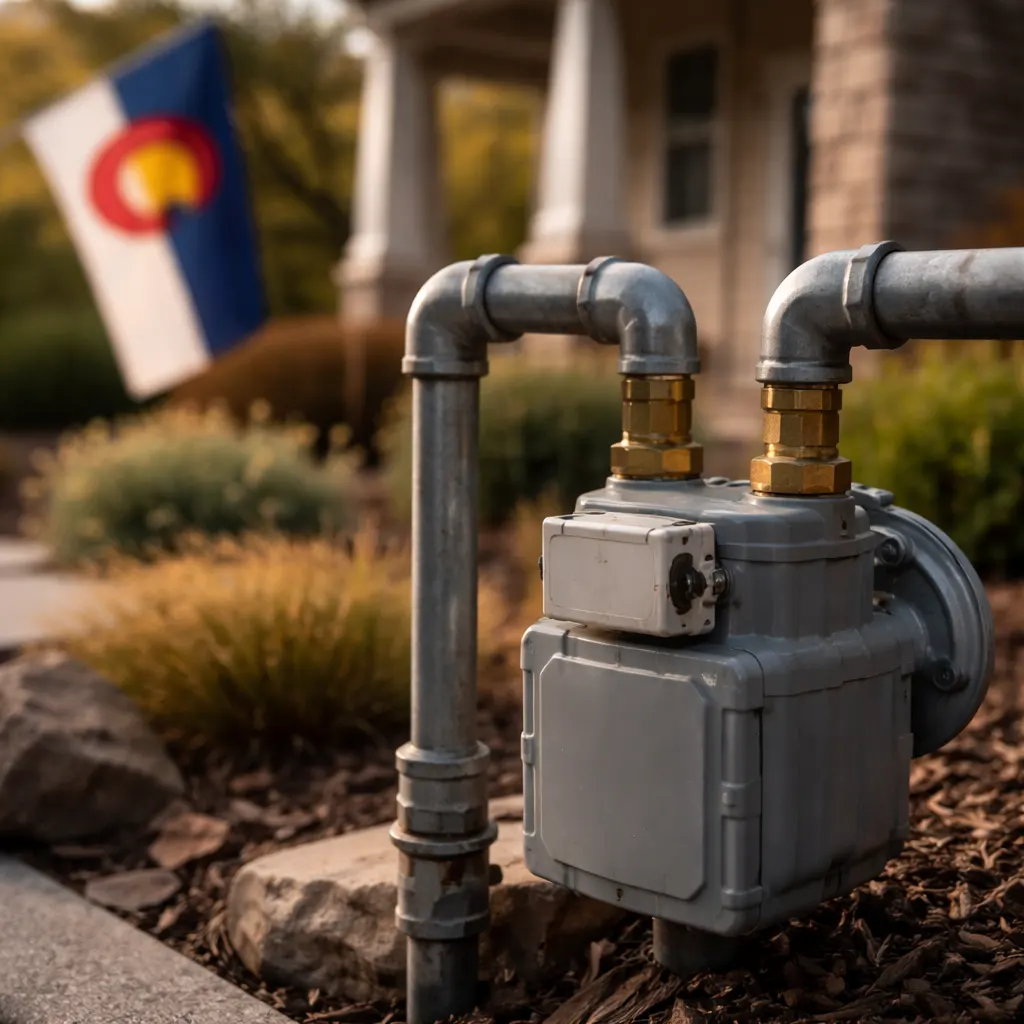
Last week, Initiative 177 — which would guarantee consumers the right to purchase natural gas and allow distributors and utilities to sell it — qualified for Colorado's general election ballot, according to a report published by the Independence Institute. The petition collected 146,165 valid signatures, exceeding the minimum requirement, and secured signatures from at least two percent of registered voters in each of the state's 35 Senate districts. Because the measure would amend the state constitution, it requires a 55 percent supermajority to pass, not just a simple majority.
The initiative has already faced opposition from Democratic lawmakers, who threatened to impose unspecified "guardrails" on the measure if it passed, though they withdrew the effort days before the legislative session ended. House Speaker Julie McCluskie characterized the initiative as "overly broad" and lacking clarity, while Governor Jared Polis questioned whether a right to natural gas would mean people could "walk around with it in a container out on the streets." The measure's text spans only a few lines. Nationally, the last time voters decided on a natural gas ballot initiative was Washington's Initiative 2066, which passed with 51.71 percent of the vote but was later ruled unconstitutional by a King County judge who found its scope too broad to identify a clear general topic.
According to the report, if Initiative 177 passes, similar legal challenges are likely to delay implementation of the amendment, though it has already survived the Title Board's single-subject review, which may make it harder to argue the measure is overly broad. The initiative arrives as Colorado pursues aggressive restrictions on natural gas despite approximately 1.9 million households relying on it. Xcel Energy has missed its 2025 target under the Clean Heat Plan, which mandates gas utilities cut greenhouse gas emissions 4 percent by the end of 2025 and 22 percent by 2030, with the Public Utilities Commission extending the goal to 41 percent reductions by 2035.
The report explains that the Clean Heat Plan effectively pushes customers toward electric heating and would demand an "unprecedented, nearly overnight transformation" of the market. It's unclear whether Initiative 177 would shield ratepayers from the Clean Heat Plan, but it could trigger a constitutional conflict over Colorado's policies to reduce gas consumption. Courts may need to decide how aggressively the state can pursue mandates and infrastructure changes to eliminate natural gas without violating the new constitutional right, potentially determining whether the initiative blocks outright bans on gas hookups or limits programs like the Clean Heat Plan. The measure offers Coloradans a direct mechanism to halt the legislative push toward mandatory electrification by placing the right to choose natural gas in the state constitution, where elected officials and regulators will be forced to acknowledge it.