
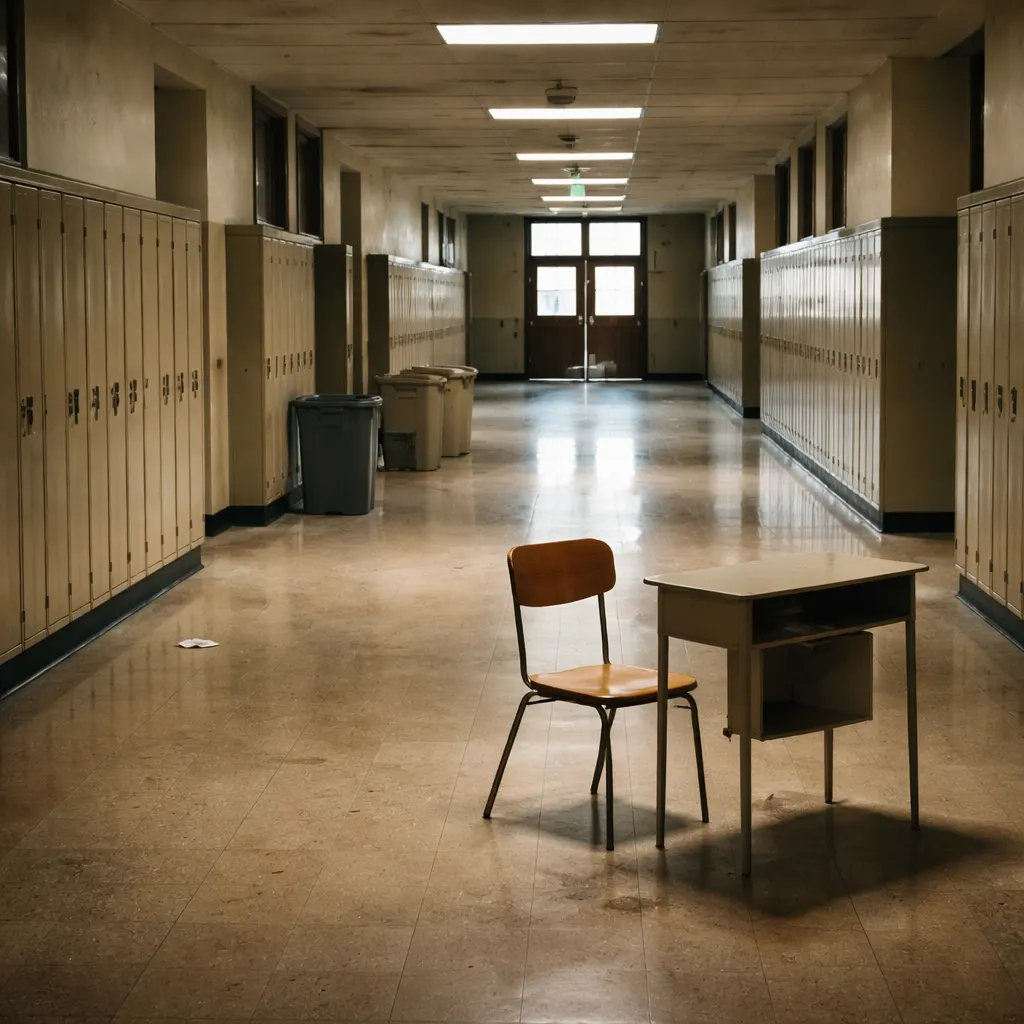
More than half of Chicago Public Schools' buildings were underutilized in the 2025-2026 school year, according to a new analysis by the Illinois Policy Center's Chicago Policy Center. The report found that 255 out of 476 schools—nearly 54%—enrolled students below 70% of their ideal capacity, leaving classrooms "unused and/or inefficiently programmed." With a moratorium on school closures set to expire after the 2026-27 academic year, the report calls on the district's first fully elected school board to address what it describes as a crisis affecting both student outcomes and taxpayer dollars.
The numbers paint a stark picture of empty hallways across the nation's third-largest school district. The average space utilization rate stood at 68% across single-location schools in 2025-2026, meaning the typical CPS building runs one-third empty. While 40% of schools operated efficiently and about 7% were overcrowded, the district is home to what the report calls the emptiest big-city school in the country: Frederick Douglass Academy, which had just 27 students despite a capacity of 1,008. Among the 10 emptiest high schools, average spending per student reached nearly $37,500—almost double the district average of roughly $20,000—yet academic results lagged far behind. At those schools, about one in 10 or fewer students who took the ACT met grade-level reading standards in 2025, and approximately one in 20 or fewer hit proficiency in math.
The consequences extend beyond wasted space, according to the report. "Students in the city's smallest schools have fewer courses to choose from and often miss out on clubs, extracurricular activities, and sports," a 2025 ProPublica and Chalkbeat analysis cited in the report states. Research shows very small high schools can't provide the academics and extracurricular options available at larger schools, the report notes, and Chicago's underenrolled high schools tend to have lower graduation and college enrollment rates. High absenteeism rates at the emptiest schools—a warning sign linked to increased dropout risk and weaker academic achievement—appear to correlate with the lower proficiency scores already observed.
To tackle the problem, the report recommends the school board convene a Blue Ribbon Commission for facilities planning as part of a broader "CPS Excellence Agenda." The commission would assess the district's facility footprint, establish consistent minimum enrollment and performance standards, and create a framework to optimize buildings for student success based on utilization, neighborhood coverage, and staffing models. It would also compare CPS's capital financing capacity to other large districts. The report argues that Chicago students deserve quality academics and robust extracurriculars, and that "no one wins—neither students nor taxpayers—when underutilized schools are kept open." With the closure moratorium ending and the first fully elected board taking office, the district faces a rare opportunity to reshape a system where emptiness has become the norm.