
Nearly half of underbanked Americans—those who have bank accounts but still rely on expensive alternative financial services—use retail outlets to pay bills at the last minute, according to a new resource release from the Federal Reserve Bank of Boston published in July 2026. The announcement introduces an Inclusive Payments Resource Center featuring a data tool and survey findings aimed at helping financial institutions create lower-cost services that deliver the speed, trust, and confirmation the underbanked currently get from pricier alternatives. The report frames instant payments technology, including the Federal Reserve's FedNow Service, as opening paths to better, more affordable financial services for this population.
The survey conducted with the nonprofit Commonwealth reveals that more than a third of underbanked respondents use earned wage access, a service that gives workers money they've already earned before their traditional payday. Meanwhile, 55% of underbanked survey respondents say they paid an overdraft fee in the last year. The new data tool allows users to search by state or metropolitan area to find how many underbanked or unbanked households used which alternative financial services in the last 12 months. In the Boston-Cambridge area, money orders are the most used alternative service, followed by online payment services. In Portland, Maine, 20% of underbanked households make between $15,000 and $30,000 annually, and more than 28% use check-cashing services.
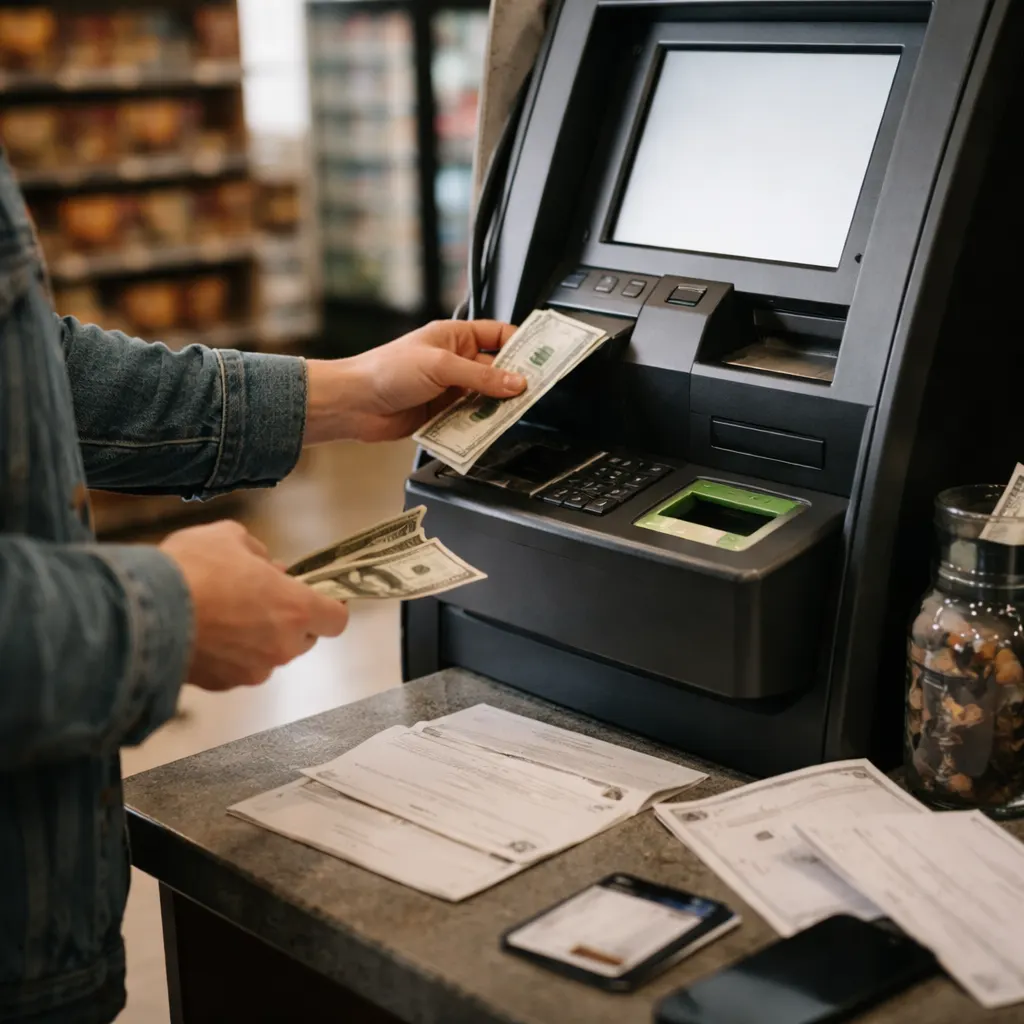
According to the Boston Fed, the underbanked tend to have lower income levels and an incentive to pay less, yet they're steered toward more expensive products. The survey found that AFS users cited speed, trust, and confirmation that their funds were sent or received as their top reasons for using those services. The report notes that 46% of underbanked respondents use retailers to pay bills last minute specifically because they receive confirmation that their funds have arrived. The authors write that some banks already offer bill pay, but the experience can be slower, less transparent, or harder to use than alternative financial services.
The report explains that instant payments technology can help solve this mismatch by eliminating the lags people experience with traditional banking—when deposited money isn't available right away or credit card payments don't immediately reduce balances. Earned wage access is highlighted as a promising example: when people get their money in their accounts earlier, it can help them avoid overdraft fees or eliminate the need for payday loans, which are high-interest loans usually due on the borrower's next paycheck. The Boston Fed acknowledges that more research is needed to determine if earned wage access is truly beneficial, but notes that in cases when an employer offers it to employees, the initial results look good. The report argues that if financial institutions modernize and streamline their bill pay offerings while keeping fees low, it would clearly be a major draw to the underbanked, since the need for affordable alternatives is already there.
The resource center aims to equip financial institutions with the data and tools they need to assess market opportunities and build new solutions. The data tool helps banks figure out not just which services might draw underbanked customers, but where this potential pool of customers is located and how big it is. Links in the resource center highlight reports detailing how faster payments can support better financial inclusion, provide templates for building out new solutions, and include a use case library featuring instant payments applications already up and running. The report's bottom line is direct: nobody, including the underbanked, wants to pay more for financial services, and thanks to advances in instant payments technology, the opportunity to provide affordable alternatives is wide open for those ready to seize it.